
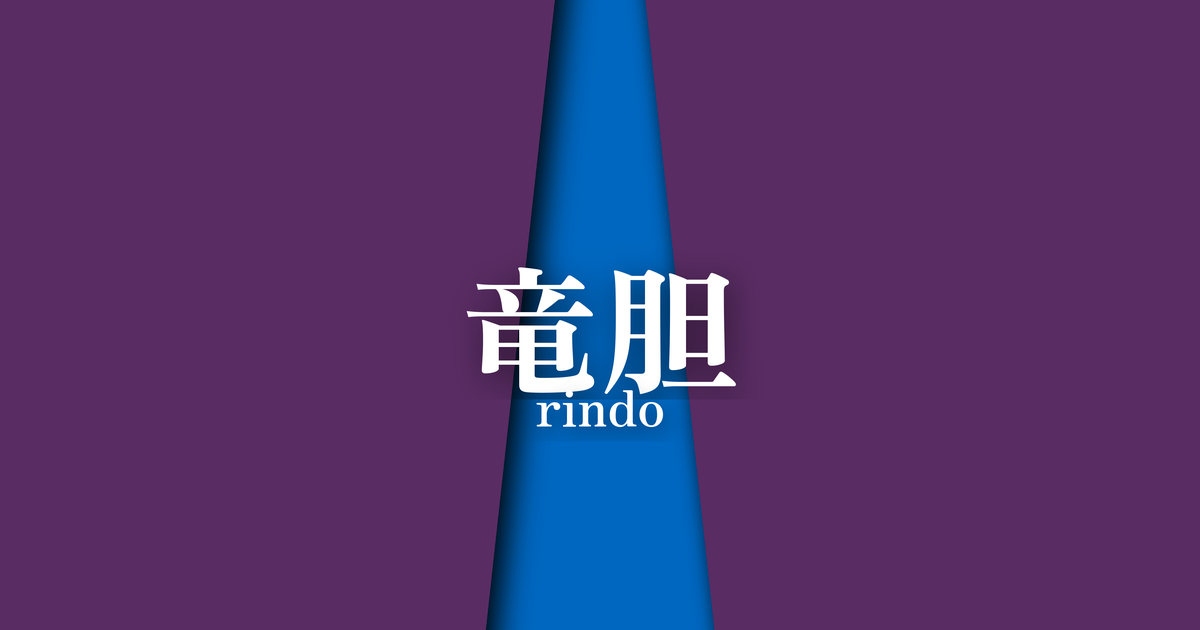
| Japanese color name | gentian |
|---|---|
| reading | rindo |
| season | 秋 |
| Color of the table | Purple (murasaki) |
| Back color | blue (ao) |
What is gentian? Origin and etymology
"Rindo" (gentian) is a color combination derived from the flower of the same name that blooms in the fields and mountains in autumn. As the name suggests, the vibrant purple of the gentian flower is represented by the "outer" color, while the "inner" blue is said to represent the deep color of the flower, as well as the bluish tint of the leaves and stems. This color scheme recreates the noble and beautiful appearance of the gentian blooming proudly in the clear autumn air, and reflects the traditional Japanese aesthetic of delicately capturing natural scenery.
One theory suggests its name comes from the fact that its roots are as bitter as a dragon's bile.
This color scheme not only imitates the colors of flowers, but also embodies the clear and slightly melancholic atmosphere of autumn. The combination of cool colors, purple and blue, conveys a sense of calm, intelligence, and nobility. Heian aristocrats skillfully incorporated such natural colors into their attire, enjoying the changing seasons and using it as a means to express their culture and sensibilities.
Historical background of gentian
During the Heian period, a culture of clothing that emphasized the seasons flourished in aristocratic society. "Kasane no Irome" (layered color schemes) played a central role, and wearing the prescribed color combinations for each season was considered an important aspect of refinement. "Rindo" (gentian) is said to have been one of the representative colors of autumn, and was particularly worn from August to September in the old lunar calendar. This period coincides with the deepening of autumn and the beginning of the changing colors of plants and trees.
This color scheme is thought to have been used in a variety of situations, from court ceremonies to private gatherings. In particular, it was likely favored as appropriate attire for events that celebrated seasonal beauty, such as autumn moon-viewing parties and chrysanthemum viewing parties in the fields and mountains. Becoming one with the seasons through one's attire was a manifestation of the refined aesthetics of the Heian aristocracy.
Related literature, waka poetry, and seasonal words
In Heian literature, the gentian often appears as a flower symbolizing autumn. In Sei Shonagon's "The Pillow Book," in the section on "flowers of the grass," she praises the sight of the gentian blooming in a particularly vibrant color while other flowers have withered due to frost, calling it "very charming." This description captures the beauty of the gentian blooming nobly even in the face of adversity, and it resonates with the dignified image associated with the color combinations of layered garments.
Furthermore, gentians are sometimes used in descriptions of autumn garden scenes in narrative literature such as "The Tale of Genji." Through these literary works, we can see how familiar gentians were to the people of that time and how strongly they were associated with the feeling of autumn. The color combination "gentian" in kimono layering, combined with this literary background, has come to have a deeper cultural significance.
The gentian blossoms are deep in the morning frost; who will pick one and hold it up?
The season and scenery of gentians
The "gentian" color combination vividly expresses the deepening feeling of autumn. It is worn from August to September in the old lunar calendar, which corresponds to roughly late September to November in the current calendar. The purple and blue color scheme harmonizes beautifully with the autumn scenery, when the summer heat subsides and the air becomes clear. This color combination evokes the image of autumn grasses blooming softly, wet with dew, and the crisp air as frost begins to fall.
This color scheme is perfect for strolling through fields where the seven autumn flowers bloom, or for occasions such as moon viewing and autumn leaf viewing. The subdued yet subtly vibrant colors create an intellectual and sophisticated look, enhancing the wearer's dignity. It can be said that this color scheme embodies the rich Japanese culture that has continued since the Heian period, keenly sensing the changing seasons and expressing them through clothing.
Gentian color scheme proposal
Joroka (#F2DDA4)
The yellow of the Patrinia scabiosifolia, one of the seven autumn flowers, is almost a complementary color to the purple of the gentian, and they beautifully enhance each other's colors. The result is a gorgeous and beautiful color scheme that evokes the scene of flowers blooming in the autumn fields.
White (#FFFFFF)
By combining it with pure white, the noble purple and blue of the gentian flower are further highlighted. This combination evokes images of a clear autumn sky or morning frost settling on flowers and plants, creating a refined and pure impression.
Kutsuha color (#917347)
The withered leaf color, reminiscent of fallen autumn leaves, combined with the purple of gentian, expresses the calm atmosphere of deepening autumn. The harmonious color scheme, based on the colors of nature, gives a gentle and profound impression.
Practical Scenes
The "gentian" color combination remains popular today as a color scheme for kimonos, obi sashes, and other Japanese accessories. In particular, incorporating it into autumn tea ceremonies, theater performances, and formal occasions allows for the simultaneous expression of seasonality and elegance. The combination of purple and blue conveys a sense of calm and intelligence, making it suitable for a wide range of ages.
The gentian flower color scheme is a source of inspiration not only in the world of traditional Japanese clothing but also in contemporary design. In interior design, using this color scheme in cushions and curtains can give a room a sense of calm and luxury. In website and graphic design, it is effective when you want to create an intelligent and trustworthy image.