
What is Matsugae? Origin and etymology
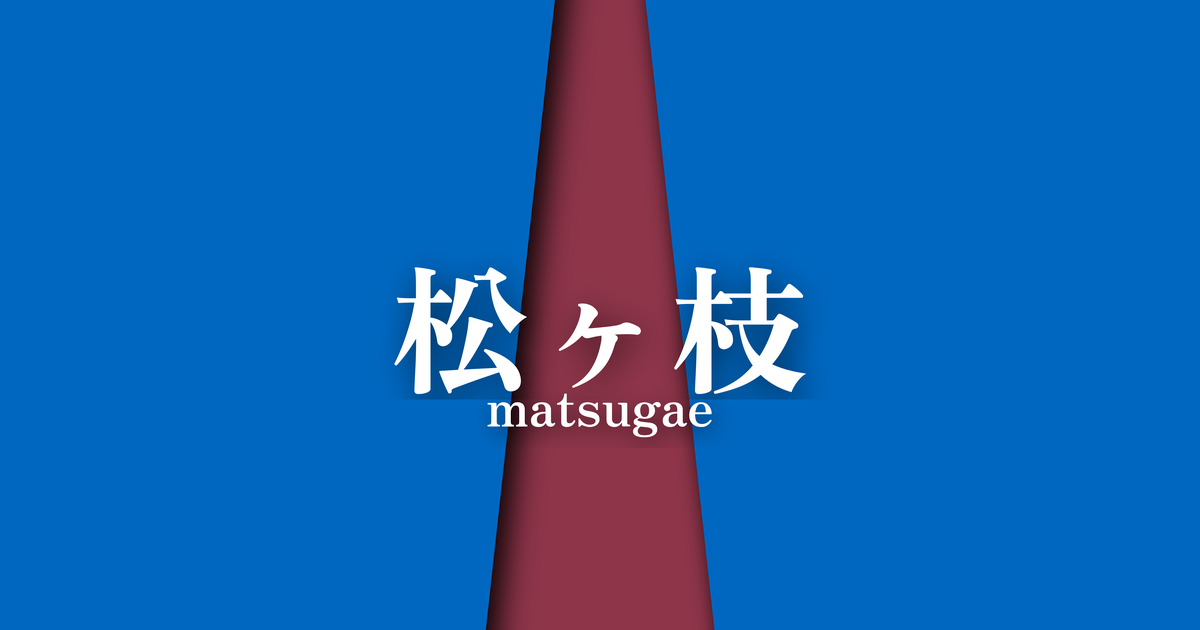
Matsugae, as its name suggests, is a color combination derived from the branches of the evergreen pine tree. The pine, which retains its lush green leaves even in the winter snow, has been considered a symbol of longevity and integrity since ancient times. This color combination is said to express the deep green of the pine needles with the blue on the outside and the reddish hue of the pine trunk and the strength of life residing in the harsh cold with the sappanwood on the inside. It is a color scheme that conveys the solemn atmosphere of winter and the nobility of the pine that does not succumb to it, and it reflects the view of nature held by the Heian aristocracy.
Historical background of Matsugae
In the aristocratic society of the Heian period, the color scheme of clothing was an important means of expressing the seasons. "Matsugae" (pine branch) is said to have been one of the representative winter color combinations and was mainly used in the attire of male court nobles. In particular, it is thought to have been worn at ceremonies and celebrations welcoming the New Year, due to the auspicious meaning associated with the evergreen pine tree.
The "Masasuke Shōzoku Shō," a book on the customs of traditional Japanese clothing believed to have been compiled during the Kamakura period, describes a combination called "Matsugasane," where the outer layer is blue and the inner layer is sappanwood. This is considered to be the prototype of "Matsugae."
Related literature, waka poetry, and seasonal words
Since the time of the Manyoshu and Kokin Wakashu, pine trees have been celebrated in numerous Japanese poems as a symbol of permanence and longevity. Also known as "Tokiwagi" (evergreen tree), they are often used as a metaphor for unchanging hearts or vowing eternal love. In narrative literature such as The Tale of Genji, pine trees are depicted not only as a background but also as an important motif that hints at the character and destiny of the characters.
The color scheme of "Matsugae" can be said to be an expression of the aesthetic appreciation for pine trees that permeates classical literature.
Even the evergreen pine trees, now that spring has arrived, their color deepens even more.
The seasons and scenery of Matsugae
"Matsugae" is a color combination used during the harsh winter season, especially from December to February, leading up to the New Year. It depicts a scene where only the evergreen pine tree remains strong and green amidst the tranquil landscape of falling snow. The blue on the outside represents the crisp winter air and the depth of the pine needles, while the sappanwood on the inside symbolizes the strength of the pine trunk and the warmth of life residing amidst the harsh cold. This color scheme evokes a sense of hope and unwavering strength even in the stillness, and was favored as an attire that embodied anticipation for the new year.
Matsugae's color scheme proposal
Golden (#E6B422)
Pine trees are a symbol of good fortune, and when combined with gold, they emphasize a celebratory and dignified atmosphere. This traditional color scheme, often seen in New Year's decorations, achieves a balance between splendor and gravitas.
White training (#FFFFFF)
By combining it with white, which evokes a snowy landscape, the winter scenery of "Matsugae" is expressed more vividly. It gives a pure and solemn impression, and the contrast of colors enhances the beauty of each other.
Hinoki bark color (#7B5544)
These brown tones evoke the trunks of pine trees and other natural foliage. When combined with blue and madder red, they create a calm and deep color scheme reminiscent of a natural landscape, resulting in a harmonious earth tone.
Practical Scenes
Traditionally, the "Matsugae" color scheme was used in the attire of male aristocrats during the Heian period, such as the noshi and kariginu. In modern times, incorporating this color scheme into kimono coordination, particularly in the obi and accessories, can create a stylish and dignified look unique to winter. In interior design, this combination of blue and sappanwood creates a dignified and calming atmosphere, and is therefore used in wallpaper and fabrics.
This color scheme is effective in web design and packaging design when you want to evoke a sense of traditional Japanese beauty and luxury.