
What is Aoyagi? Origin and etymology
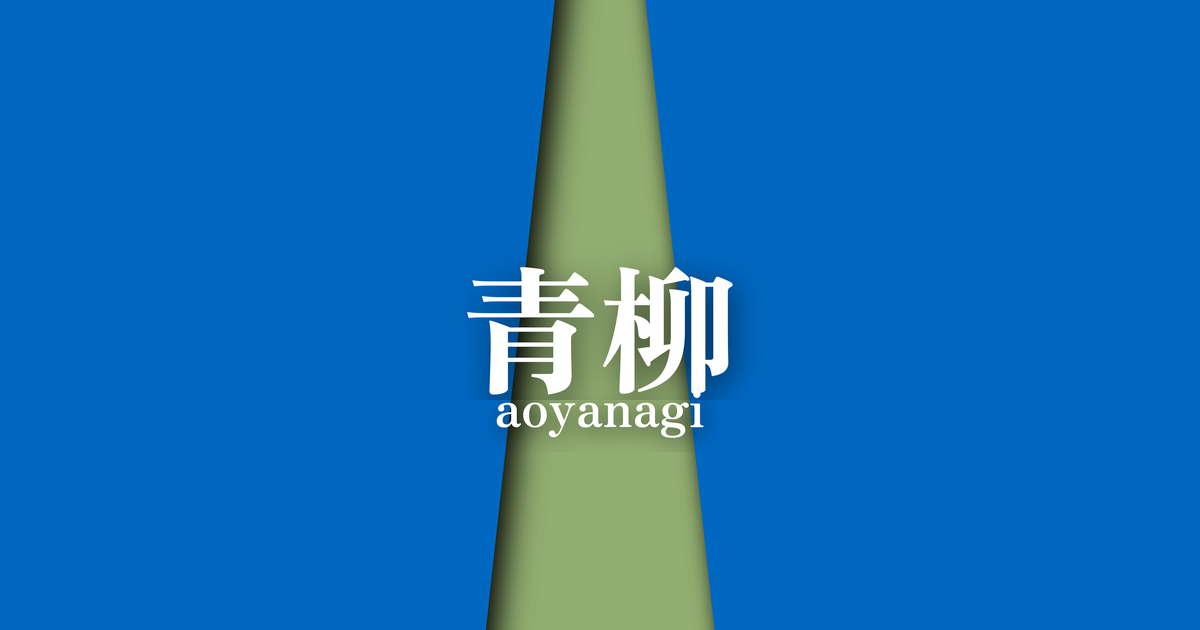
The color name "Aoyagi" (青柳) directly derives from a word referring to the lush green leaves of willow trees in early summer. The "blue" on the front represents the clear summer sky and pristine waterside, while the "willow" on the back represents the vibrant, youthful color of willow leaves themselves. This combination of two colors skillfully depicts the scene of willow branches swaying in a cool breeze by the water's edge, with the front and back of the leaves appearing and disappearing from view.
During the Heian period, aristocrats keenly perceived natural landscapes and the changing seasons, incorporating them into the color schemes of their clothing to demonstrate their refinement and aesthetic sense. "Aoyagi" (willow) is one such example, a color that flourished within a refined culture of wearing the beauty of nature.
Aoyagi's historical background
The layered color schemes of the Heian period represent the refined sense of color that developed within the aristocratic society as Japanese culture matured. "Aoyagi" (blue willow) is thought to have been a color scheme used for summer attire, and it is presumed that this elegant color combination was seen in the uchiki (outer robes) worn by women in the imperial court.
Dyeing at that time was mainly done using plant-based dyes. It is believed that the blue on the outside was dyed with indigo, and the willow green on the inside was dyed with Japanese knotweed or similar dyes. The deep hues produced by these naturally derived dyes further enhanced the beauty of the layered colors.
For the Heian aristocracy, who valued the changing seasons above all else, the color of their clothing was an important means of expressing their individual sensibilities. It is said that "Aoyagi" (willow green) was a color that heralded the arrival of summer and evoked a sense of coolness, and was therefore beloved by the people.
Related literature, waka poetry, and seasonal words
Willow (Aoyagi) has long been a summer seasonal word, frequently featured in waka and haiku poetry. In particular, willow branches swaying in the wind have been favored as a symbol of coolness and have become a subject of poetry. Willows also frequently appear in classical literature, and in works such as "The Tale of Genji" and "The Pillow Book," they are depicted as important motifs that color scenes of encounters and partings.
Although there are not many literary works that directly describe the "Aoyagi" color combination, it is clear that Heian aristocrats held a special affection for the willow plant. It is thought that this cultural background provided the fertile ground for the creation of the "Aoyagi" color combination, which captures the image of a willow tree.
The summer garment, draped from the willow's thread, has thin sleeves, and the breeze feels cool.
Seasons and Scenery of Aoyagi
"Aoyagi" is a color that expresses the feeling of the season from early summer to mid-summer. Specifically, it is considered appropriate to wear it from April to June in the old lunar calendar, and from May to August in modern times. It is the color of a time when willow leaves are lush and green, and full of vitality.
This color scheme evokes the image of willow trees standing by the water's edge, their leaves swaying in the cool breeze. The deep blue on the front symbolizes the clear flow of a river and the summer sky, while the willow green on the back represents the vibrant color of leaves, giving the viewer a sense of coolness and tranquility. Worn at summer banquets and events seeking coolness, it created an elegant look that was in harmony with the season.
Aoyagi's color scheme proposal
White training (#FFFFFF)
The pure white of the silk further enhances the cool hue of the willow tree. This combination evokes the strong summer sunlight and the shimmering surface of water, creating an impression of cleanliness and elegance. It is effective as an undergarment color in traditional Japanese clothing, and as an accent color in modern designs.
Yellow (#FBE251)
The vibrant yellow of the yellow sedge evokes the early summer sunlight filtering through the young leaves of a willow tree. It harmonizes with the blue and green of the green willow, enhancing each other's colors. This creates a lively and bright impression, bringing a sense of vitality to the design.
Dark purple (#4A2440)
The deep, calming dark purple adds elegance and depth to the coolness of the willow tree. The color scheme evokes summer twilight and water's edge shadows, creating a cohesive and refined look. It exudes a noble and sophisticated atmosphere, making it suitable for formal occasions.
Practical Scenes
In Heian period attire, "Aoyagi" (willow green) was primarily used for women's uchiki (outer robes). During the summer season, the outer fabric was blue and the lining was willow green to create a cool and refreshing impression. Similar color combinations may have been used for men's noshi (formal court robes).
In modern Japanese clothing, incorporating this color scheme into summer kimonos, yukatas, and accessories such as obiage and obijime allows for a stylish and seasonally appropriate look. Using these colors with sheer fabrics like ro or sha creates an even more refreshing and cool impression.
In interior design, using the color scheme of Aoyagi (Japanese willow) in cushions and curtains can bring a refreshing and cool feeling to a space. In web design and graphics, using it in summer campaign sites and banners can effectively convey a sense of the season.