
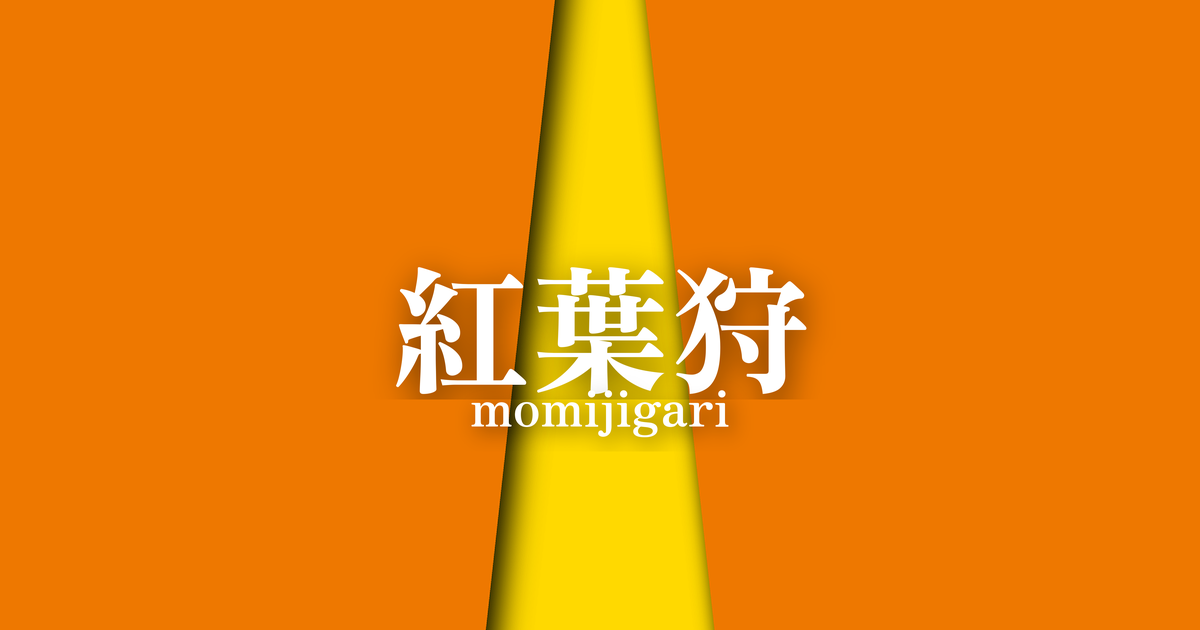
| Japanese color name | Autumn leaf viewing |
|---|---|
| reading | momijigari |
| season | 秋 |
| Color of the table | Orange (daidai) |
| Back color | Yellow (ki) |
- What is Momijigari (maple leaf viewing)? Origin and etymology
- Historical background of autumn leaf viewing
- Related literature, waka poetry, and seasonal words
- Autumn foliage viewing season and scenery
- Color scheme suggestions for autumn leaf viewing
- Practical Scenes
- FAQ
- Color combinations for the same season (autumn)
What is Momijigari (maple leaf viewing)? Origin and etymology
The name "Momijigari" (maple leaf viewing) directly derives from the Heian period custom of "Momijigari," which involved Heian-era aristocrats going out to the mountains and fields in autumn to admire the autumn leaves. The orange on the front represents vividly colored maple leaves, while the yellow on the back evokes leaves that are just beginning to change color from green, or the yellow leaves of ginkgo trees. This combination of two colors beautifully expresses the scene of an autumn mountain dyed in a multitude of colors like brocade.
These colors strongly reflect the aesthetic sensibilities of people at that time, who incorporated the beauty of nature into the colors of their clothing and enjoyed the changing seasons.
Historical background of autumn leaf viewing
The layered color schemes of the Heian period, which developed as the Japanese culture matured, are an expression of the refined aesthetic sense of the aristocracy. "Momijigari" (maple leaf viewing) is one such example, and it is said to have been used in the uchiki (a type of kimono worn by court ladies). For the Heian aristocracy, who valued the sense of the seasons, incorporating the scenery of momijigari, a representative autumn pastime, into their attire was an important way to demonstrate their education and elegance. It is said that this color scheme was particularly favored for wearing at autumn banquets and events.
Related literature, waka poetry, and seasonal words
The term "Momijigari" (maple leaf viewing) itself symbolizes the elegant scenery of autumn in classical literature, as exemplified by the famous scene in the "Momiji no Ga" chapter of "The Tale of Genji" where Hikaru Genji performs a dance beneath the maple leaves. Furthermore, "Momiji" (maple leaves) has been used as a seasonal word for autumn in numerous waka poems. While it is difficult to pinpoint specific descriptions that directly refer to the colors of the garments worn during "Momijigari," descriptions that juxtapose the colors of the clothing with natural scenery can be seen throughout, revealing how people at that time connected colors with the seasons.
Even in the age of the gods, such a thing has never been heard: the Tatsuta River is dyed crimson.
Autumn foliage viewing season and scenery
"Momijigari" (Maple Leaf Viewing), as the name suggests, is a color scheme worn during the autumn season, especially in late autumn when the leaves are at their peak. This corresponds to around the 9th to 10th month of the lunar calendar. The combination of the fiery orange on the outside and the vibrant yellow on the inside skillfully expresses the scenery of autumn, when the mountains are dyed red and yellow and shine in the sunlight. It is thought that the intention of wearing this attire was to create a sense of unity, as if the wearer themselves were a part of autumn nature, and to celebrate the beauty of the season to the fullest.
Color scheme suggestions for autumn leaf viewing
Tokiwa (#007B43)
The deep green of evergreen trees is almost complementary to the orange and yellow of autumn leaves, making each color stand out. This contrast with the green of pine and cedar trees remaining in the autumn mountains creates a color scheme that evokes a natural landscape.
Dark color (#452443)
Deep purple was considered a noble color during the Heian period. When combined with the warm colors of autumn leaves, it creates an elegant and dignified impression. It evokes the colors of long autumn nights and the twilight sky, creating a calm and sophisticated elegance.
White tea (#B08C59)
A light brown reminiscent of fallen leaves and tree trunks. It gently complements the vibrant colors of autumn foliage, creating an overall warm, calm, and harmonious color scheme. As an earth tone, it is easy to incorporate into modern designs.
Practical Scenes
During the Heian period, this color scheme was primarily used as a layering technique for women's uchigi kimonos and was cherished as an outfit that expressed the feeling of autumn. In modern times, incorporating this color scheme into kimonos, obi sashes, obiage sashes, and other Japanese clothing accessories creates a stylish and seasonal look. In interior design, using it for cushion covers or tablecloths can bring warmth and autumnal colors to a room.
In web design and graphic design, using this color scheme in autumn campaigns and seasonal content can effectively convey a strong sense of the season visually.