
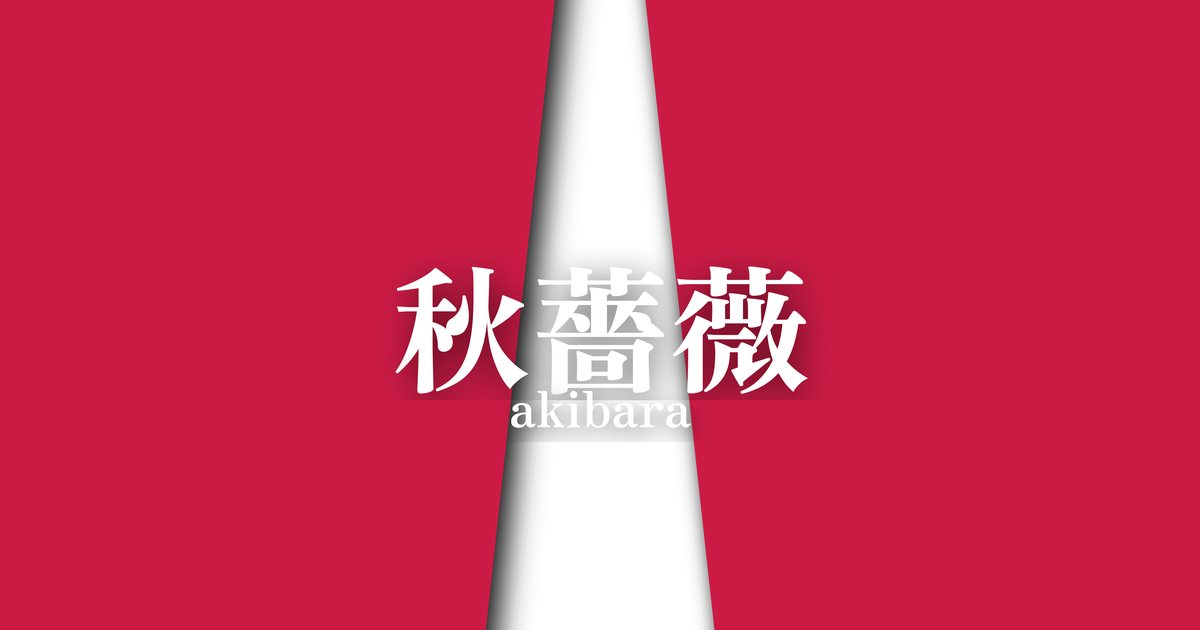
| Japanese color name | Autumn roses |
|---|---|
| reading | Akibara |
| season | 秋 |
| Color of the table | Beni (beni) |
| Back color | White (shiro) |
What are autumn roses? Origin and etymology
The name "Akibara" (autumn rose) literally derives from the fact that roses bloom in autumn. During the Heian period, roses were called "sōbi" or "shōbi," and it is possible that those that bloomed again in autumn were particularly prized. This color scheme is thought to represent the contrast between the bright red petals and the white part peeking out from beneath, or the pure appearance of a flower covered in morning dew, expressed through the contrast between the "red" on the front and the "white" on the back.
This evocative name captures the vibrant yet somewhat ephemeral beauty of roses blooming proudly in the crisp autumn air.
Historical background of autumn roses
The layered color schemes of the Heian period represent a unique color culture that flourished in the aristocratic society. The keen awareness of the changing seasons and their expression through clothing color combinations was a manifestation of the refined aesthetic sensibilities of the people of that time. "Autumn Roses" is one such example, believed to incorporate the colors of flowers that adorn autumn gardens into the attire. Although there are few specific records of its actual wear, it is presumed to have been used as a stylish and seasonally appropriate attire for autumn banquets and ceremonies.
The clear and vibrant color scheme of red and white may have been particularly favored by the women of the imperial court.
Related literature, waka poetry, and seasonal words
In Heian period literature, the rose (sōbi) often appears as a symbol of beauty. In "The Pillow Book," its delicate beauty is praised, described as "the rose, with a slight reddish tint at the tips of its petals." In narrative literature such as "The Tale of Genji," roses are also depicted as plants that adorn the gardens of residences. It is thought that this literary background fostered the aesthetic appreciation for the color "autumn rose."
However, direct appearances of the color name "autumn rose" are rare, and it is believed to have been systematized mainly in later texts on court customs and practices.
Autumn rose season and scenery
"Autumn Rose" is, as the name suggests, a color combination worn in autumn. Specifically, it represents the season from around August to September in the old lunar calendar, and from late September to around November in the current calendar. It evokes the vibrant appearance of roses blooming amidst the greenery of the plants and trees before the leaves have fully turned red. The deep red of the outer layer symbolizes the passion and mature beauty of autumn, while the white of the inner layer symbolizes purity and the approaching frost of winter.
By wearing clothing in these colors at elegant events such as autumn moon-viewing parties or the Chrysanthemum Festival, the wearer expressed a refined sense of the season.
Autumn rose color scheme suggestions
Withered leaf color (kuchiba-iro) (#917347)
The vibrant red of autumn roses combined with the calm brown of withered leaves expresses the transition from early to late autumn. In the costume, autumn roses were used for the outer robe and withered leaf brown for the skirt, completing a deep and rich autumn look.
Dark color (#4D2649)
The vibrant red and profound purple create a noble color combination that enhances each other's beauty. During the Heian period, purple was considered a very high-ranking color, suggesting this combination may have been used in formal occasions. Even in modern designs, it conveys a vibrant and dignified impression.
Yellowish-green (#D7C447)
The color scheme evokes the crimson of a rose and the green of its leaves and stems. The bright yellow-green of the yellow-green further enhances the crimson of the autumn rose, giving it a vibrant and lively impression. It can be described as a realistic and beautiful combination that captures the natural scenery of autumn.
Practical Scenes
In Heian period attire, the "autumn rose" pattern was primarily used for women's uchiki (a type of kimono). By layering garments with a red outer layer and a white lining, the white lining would peek out from the cuffs and hem, creating an elegant color contrast. In modern times, this color scheme is incorporated into kimono, obi, obiage, and obijime combinations, adding a touch of splendor to autumn attire.
In interior design, using it in items such as cushions and table runners can bring a sense of the seasons and an elegant accent to a space.