
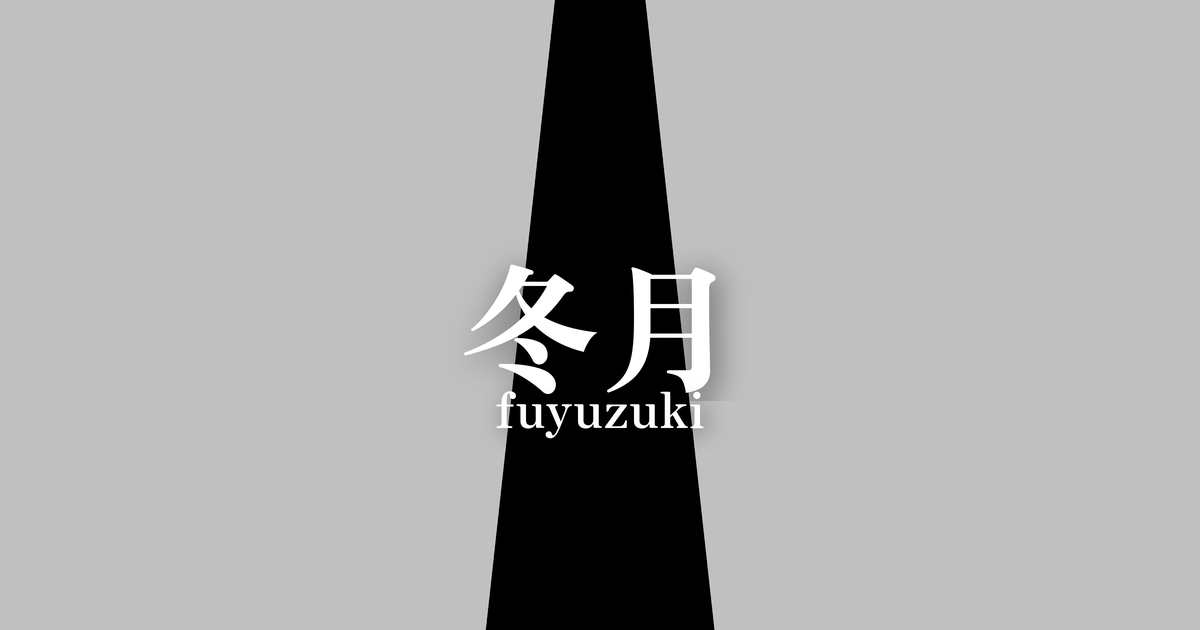
| Japanese color name | Fuyutsuki |
|---|---|
| reading | fuyuzuki |
| season | 冬 |
| Color of the table | silver (gin) |
| Back color | Black (kuro) |
What is Fuyutsuki? Origin and etymology
"Fuyutsuki" (Winter Moon), as its name suggests, is a color combination inspired by the moon floating in the winter night sky. The silver on the front symbolizes the bright moonlight shining in the clear winter air and the sparkle of frost on the ground. On the other hand, the black on the back represents the darkness of a silent winter night. This strong contrast between the achromatic colors of silver and black beautifully expresses the scene of a winter night that is cold and harsh, yet possesses a dignified nobility and mystical beauty.
This color scheme, which reflects natural scenery in the color combinations of clothing, is one example of the refined aesthetic sense of the Heian aristocracy.
Historical background of Fuyutsuki
The layered color schemes of the Heian period are a crystallization of the aesthetic sensibilities of the aristocracy, which developed as the Heian period's national culture matured. Sensitively perceiving the changing seasons and expressing them through clothing color schemes was an important aspect of court etiquette. Especially in winter, colors that reflected the quiet, almost monochrome hues of nature—such as snow, ice, and withered plants—were favored. "Fuyuzuki" (Winter Moon) is one such example, and it is presumed to have been worn as attire to express the feeling of winter during court ceremonies and private banquets.
The bold and modern color scheme of silver and black is said to have been particularly favored by those with refined tastes within the aristocratic society of the time.
Related literature, waka poetry, and seasonal words
There is no clear direct mention of the color name "Fuyutsuki" (winter moon) appearing in representative works of classical literature such as "The Tale of Genji" or "The Pillow Book." However, these works contain numerous scenes praising the beauty of the winter moon. For example, in the famous "In winter, early morning" section of "The Pillow Book," it not only describes the beauty of a snowy morning but also mentions the special charm of a winter moonlit night, stating, "Moonlit nights are especially beautiful."
This literary background is thought to have fostered an aesthetic sense for layered color combinations, such as "Winter Moon," which expresses the natural beauty of winter through color.
When I gaze upon the moon's reflection, which shines so brightly across the ice, my heart becomes clearer and purer.
Winter Moon's Season and Scenery
"Fuyutsuki" (Winter Moon) is a color scheme that expresses the feeling of winter, which corresponds to roughly November to January in the current calendar, from October to December in the old lunar calendar. This color scheme expresses the solemn and mysterious beauty of a winter night when all things are still, on the garment. It was considered appropriate to wear it for banquets and moon-viewing parties held on winter nights, or for the quiet time while waiting for the arrival of the new year. The gleam of the silver on the outside and the depth of the black on the inside would have given the wearer an impression of dignified elegance and intelligence.
Fuyutsuki's color scheme proposal
Indigo (#243A6A)
The deep indigo further enhances the color of the night sky, highlighting the silver and black contrast of "Winter Moon." It creates a serene and intellectual impression, resulting in a dignified combination reminiscent of Heian period evening attire.
Withering color (#8D742A)
Withered colors symbolize the barren landscape of winter. Adding withered colors to the achromatic "Winter Moon" expands the overall scene of winter nature. Warmth and charm are added to the sense of desolation, creating a calm, Japanese atmosphere.
Suou (#9E3D3F)
The deep red of the sappanwood adds vibrancy and vitality to the monochrome "Winter Moon" design. It evokes the image of a flame flickering in the winter cold or a single splash of color like a winter camellia, resulting in a modern and striking color scheme.
Practical Scenes
In the Heian period, this "winter moon" color scheme is thought to have been used in uchiki (a type of kimono worn at winter night ceremonies and banquets). The vivid contrast of silver and black would have highlighted the wearer's nobility and refined aesthetic sense. This color combination may have been particularly favored in men's attire due to its purity and strength.
In modern times, this modern and sharp color scheme can be utilized in kimono and obi combinations. In particular, incorporating it into formal attire can create a dignified and elegant look. Furthermore, it can be applied to interior design to create minimalist and stylish spaces. Adding silver accents to a black-based room creates a sophisticated and urban atmosphere.
This color scheme is effective in expressing a sense of luxury and tranquility in web design and graphic design.