
| Japanese color name | Huangtan |
|---|---|
| reading | ouda |
| season | Miscellaneous (year-round/celebratory) |
| Color of the table | ouni |
| Back color | White (shiro) |
- What is yellow ochre? Origin and etymology
- Historical background of yellow orange
- Related literature, waka poetry, and seasonal words
- The season and scenery of yellow-orange
- Yellow-orange color scheme proposal
- Practical Scenes
- FAQ
- Color combinations for the same season (miscellaneous (year-round/celebratory))
What is yellow ochre? Origin and etymology
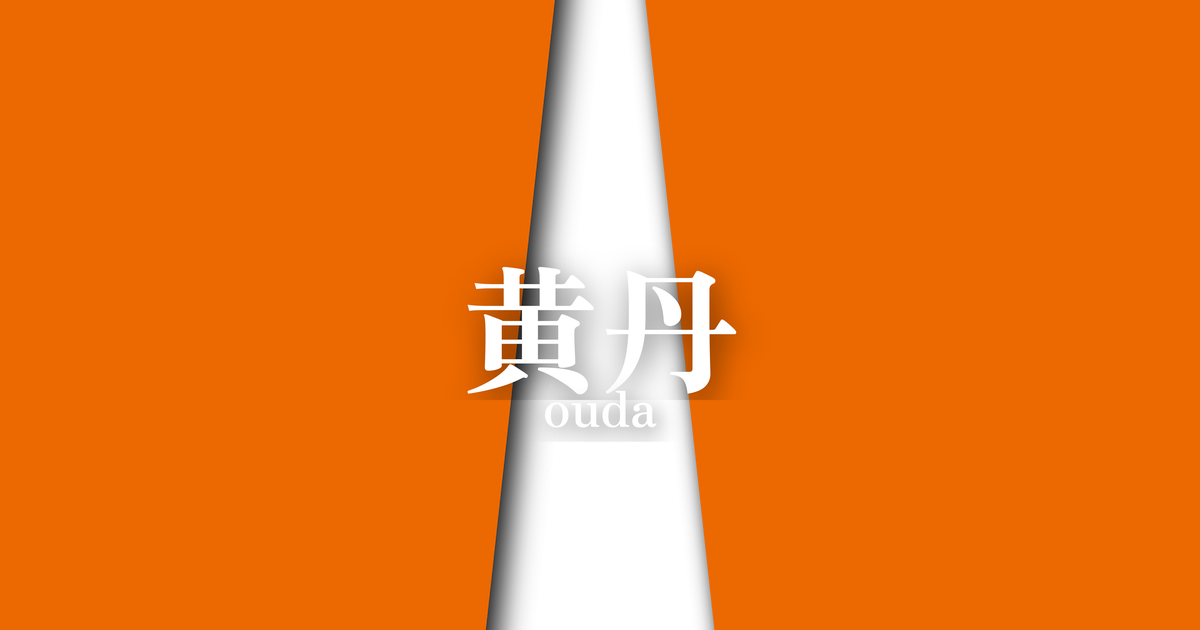
Ouni is a bright, reddish-yellow color dyed primarily from gardenia fruit with a small amount of safflower added. Its hue was considered to symbolize the rising sun and was treated as a very sacred color. Under Japan's Ritsuryo system, it was one of the "forbidden colors" designated for the robes worn by the Crown Prince (Togu), and it was strictly forbidden for anyone other than the Crown Prince to wear it.
For this reason, the color yellow-orange has established itself as an extremely noble and special color, symbolizing the next emperor.
The "orange-orange" color combination for layered kimono fabrics features the orange color on the outer layer and white on the lining, symbolizing purity and sanctity. This color scheme is interpreted as symbolizing the Crown Prince's dignity, purity, and bright future. Although it is considered a "miscellaneous" color combination that can be worn regardless of the season, its high status meant it was not used on a daily basis, but rather at important ceremonies and celebrations such as coming-of-age ceremonies and enthronement ceremonies.
Historical background of yellow orange
During the Heian period, the color of clothing was an important element that strictly indicated social status and rank. Detailed regulations of the Ritsuryo system, such as the Engishiki, precisely defined the colors that could be worn according to the rank of the emperor, imperial family, and subjects. This system is called "ishiki" (rank colors) or "kinshoku" (forbidden colors). Ouni (yellowish-orange) was considered the second most important color after Kōrozen (yellowish-orange), which was worn by the emperor, and was designated as a color reserved exclusively for the crown prince.
For this reason, the Crown Prince wore this orange-yellow robe during official court ceremonies. His appearance visually demonstrated his authority and legitimacy as the next emperor, and he was an object of admiration and respect for other nobles. This strict system of colors played an important role in maintaining order in Heian aristocratic society, and the orange-yellow color was passed down to later generations as a cultural symbol with special meaning.
Related literature, waka poetry, and seasonal words
Because orange was a forbidden color reserved exclusively for the Crown Prince, it is depicted in classical literature as a symbol of special status. In "The Tale of Genji," orange attire is effectively used to highlight the high birth of the protagonist, Hikaru Genji, as a prince, and in scenes such as the coming-of-age ceremony of his son, Yugiri. For example, in the "Kiritsubo" chapter, this color is used in the clothing of the young Hikaru Genji, impressing upon the reader his noble lineage.
Furthermore, in historical narratives such as "Eiga Monogatari," the yellow-orange robe is described in important scenes such as the coming-of-age ceremony and the enthronement of the crown prince, making it an indispensable element in expressing the solemnity of the ceremony and the authority of the imperial family. Through these literary works, it can be seen that yellow-orange was not merely a color, but a cultural symbol reflecting the social order and values of the Heian period.
The season and scenery of yellow-orange
Yellow-orange is not a color that represents a specific seasonal scene, but rather is classified as "miscellaneous" and is used year-round regardless of the season. However, its use was not for everyday occasions, but was limited to important national ceremonies and celebrations such as the coming-of-age ceremony of the Crown Prince, the investiture ceremony of the Crown Prince, and the enthronement ceremony. Because its hue is said to symbolize the rising sun, it strongly carries the meaning of celebrating new beginnings and a bright future.
Even today, orange is recognized as a color symbolizing celebrations. It is sometimes incorporated into wedding kimonos and accessories for traditional Japanese clothing worn at celebratory occasions. Its vibrant and powerful hue enhances the atmosphere of auspicious events and is an ideal color for expressing joyous feelings.
Yellow-orange color scheme proposal
Dark purple (#493759)
Deep purple is another color that has been used by people of high social standing since ancient times. When combined with the equally dignified orange-yellow, the two colors complement each other, creating an extremely majestic and dignified impression. This is a traditional color scheme that can also be seen in the attire of Heian period aristocrats.
White (#FFFFFF)
White, often used as the lining in layered kimono colors, symbolizes sanctity and purity. Combining vibrant orange with white creates a striking contrast, further highlighting the brilliance and divinity of the orange. It's a pure and dignified combination.
Pine green (#5B622E)
The color of pine needles, a color associated with evergreen trees, symbolizes longevity and permanence. When combined with the celebratory color of orange, it adds meanings of wishing for lasting prosperity and good health. The calm green balances the vibrancy of the orange, creating a stable and harmonious color scheme.
Practical Scenes
In traditional contexts, orange-yellow was used in ceremonial attire, specifically for the Crown Prince's robe. Even today, this color can be seen in situations where formality and tradition are valued, such as imperial ceremonies, costumes in classical performing arts like Kabuki and Noh, and attire in Shinto shrine festivals. Understanding its historical background allows us to appreciate the profound meaning behind this color.
In contemporary design, the imagery of "nobility," "celebration," and "tradition" associated with orange-green can be utilized. For example, using it on the websites of luxury inns or in the packaging designs of long-established Japanese confectionery shops can create an atmosphere of elegance and history. In interior design, incorporating it as an accent color in cushions or tapestries adds vibrancy and formality to the space.