
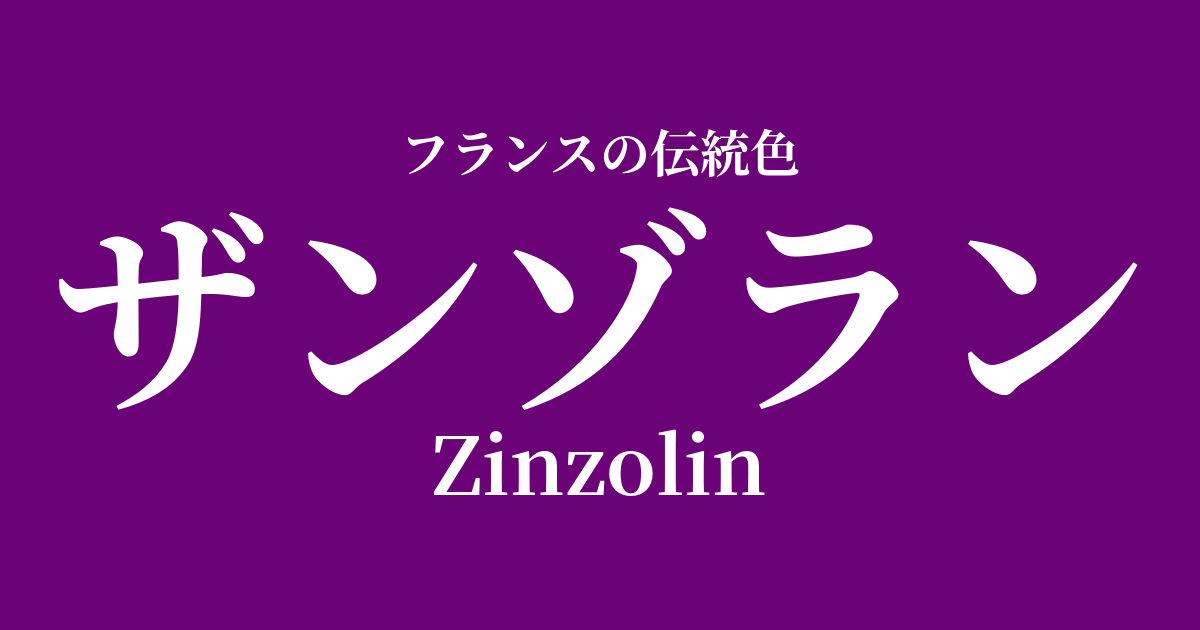
| French | Zinzolin |
|---|---|
| Katakana | Zanzoran |
| HEX | #6c0277 |
| RGB | 108, 2, 119 |
What is Zanzoran? Origin and etymology
Zinzolin is a traditional French color name referring to a reddish or slightly grayish purple.
Its etymology is said to originate from the Arabic word "junjulān," meaning "sesame," or from the Italian word "giuggiolena." Historically, it was named after the color of the dye obtained from the seeds of sesame plants, or the color of those seeds themselves. It is believed to have spread to Europe through Venetian merchants and others, becoming established as the French word "Zinzolin."
In an era when natural dyes were prevalent, purple was an extremely precious color. Tyrian purple, in particular, was so expensive that only emperors and high-ranking clergy were permitted to use it. However, Zanzolan, being a more readily available shade of purple, enriched people's color culture.
The historical background of Zanzolan
Purple has long been considered a symbol of nobility, mystery, and power, both in the East and the West. In French history, purple is a color deeply associated with royalty and the aristocracy.
It is difficult to pinpoint the exact date when the color name "zanzolan" became established in France, but as trade flourished from the Renaissance onward, foreign dyes and color names became integrated into French culture. In the opulent culture of the Palace of Versailles under the rule of Louis XIV in the 17th century, various shades of purple were used in clothing and interior decoration, and it is believed that zanzolan, with its refined hue, also captivated the nobility.
With the invention of the chemical dye "mauve" in the mid-19th century, purple became cheaper and easier to produce, and spread to the general public. However, the name zanzoran has survived as a traditional color, possessing the depth unique to natural dyes and an exotic sound.
Zanzoran in the world of art and fashion
Zanzolan's mystical and profound hues have inspired the sensibilities of artists. In particular, Symbolist painters of the late 19th century, who sought to depict not only the visible world but also inner worlds and spirituality, favored purple. The fantastical atmosphere found in the works of artists like Gustave Moreau is enhanced by the complex hues of Zanzolan.
In the world of fashion, purple has always been treated as a special color. Especially in the early 20th century, when women's participation in society increased, innovative designers like Paul Poiret, along with new silhouettes that liberated women from corsets, incorporated bold and exotic colors like those of Zanzolan into their designs, expressing a new image of womanhood for the new era.
Furthermore, in Lyon, a center of silk weaving, countless color samples, including those of Zanzolan, were created, and artisans likely competed to reproduce those exquisite shades. This speaks to the richness of French textile culture.
Color scheme preview
This is to check the readability of the text when this color is used as the background.
Zanzoran's color scheme proposal
Gris de Lignan (#dcd3c4)
The gentle, natural tones of flax soften the noble and mysterious atmosphere of Zanzolan, giving it a refined and elegant impression.
Jaune d'Or (#FFD700)
Purple and yellow are close to complementary colors, and they enhance each other's vibrancy. When combined with gold, they create a luxurious and dramatic impression.
Blue Nuit (#0F2C56)
The combination of deep purple and deep blue evokes a sense of tranquility and depth, like the night sky. It's a color scheme that is both cohesive and sophisticated, creating a modern atmosphere.
Practical Scenes
In interior design, incorporating Zanzolan into accent walls, velvet sofas, cushions, and curtains instantly adds a sense of luxury and depth to a space. It also pairs exceptionally well with gold and brass lighting and accessories, creating a classic yet modern atmosphere.
In fashion, Zanzolan dresses and coats are statement pieces that highlight the wearer's individuality. Incorporating them in lustrous materials like silk or satin further enhances the vibrancy of the colors. Using them as accent colors in accessories such as scarves, bags, and shoes is another technique to elevate your outfit.
In web and graphic design, using Zanzoran as an accent color can give a site or artwork a sense of luxury and trustworthiness. It is particularly well-suited to the brand image of jewelry, high-end cosmetics, and art-related industries.