
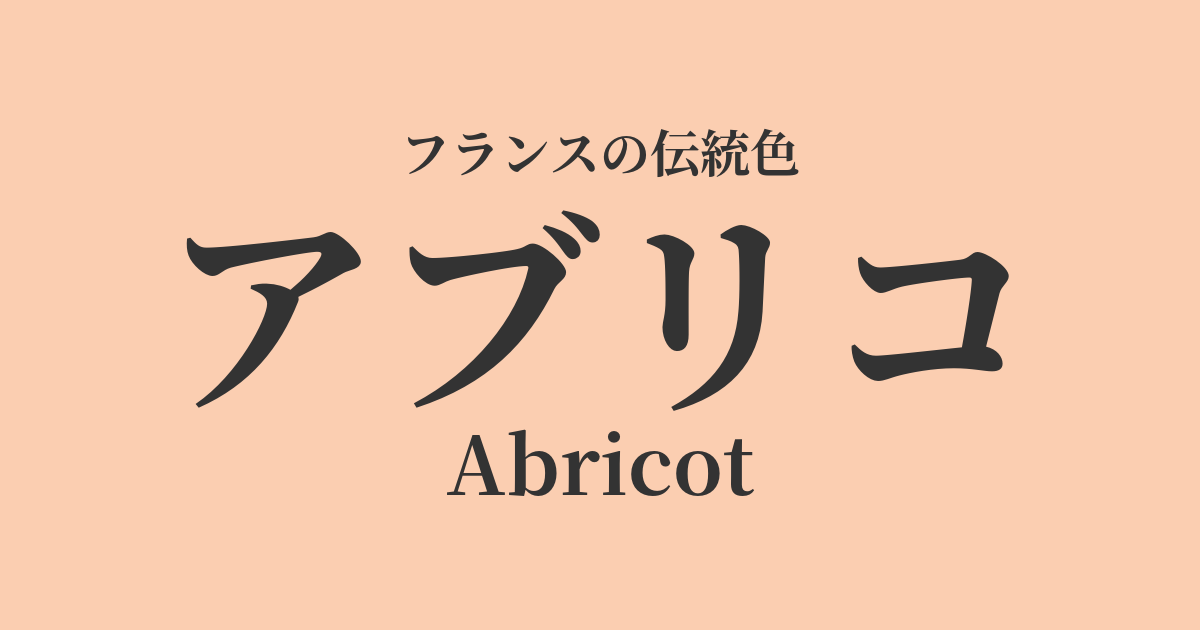
| French | Abricot |
|---|---|
| Katakana | Abrico |
| HEX | #FBCEB1 |
| RGB | 251, 206, 177 |
What is Abricot? Origin and Etymology
"Abricot" is a French word meaning "apricot" fruit. As the name suggests, it refers to a soft, warm, orange-pink color reminiscent of apricots that have ripened under plenty of sunlight.
The origin of this word is said to trace back to the Latin word "praecoquum," meaning "premature." This word evolved through Arabic, Spanish, and Portuguese before becoming the French word "Abricot." Due to the sweet and gentle image of the fruit itself, this color is cherished as a symbol of happiness, domestic warmth, and youthful vitality.
Historical background of Abricot
Apricot trees are believed to have become widely cultivated in France around the 15th century, but the color "abricot" in particular shone on the cultural stage during the Rococo period of the 18th century. During this era, ladies of the court had a great fondness for elegant and sweet pastel colors, and abricot was one of them, frequently used in dresses and interior decorations.
In particular, these gentle, feminine shades were essential to the color palettes favored by Madame de Pompadour, Louis XV's mistress, and Queen Marie Antoinette. Abricot can be said to be one of the colors that symbolizes the opulent and sophisticated court culture of that era.
After the French Revolution, along with a yearning for a more natural and simple lifestyle, apricot became an integral part of people's lives, symbolizing domestic warmth and a peaceful everyday life.
Abricot in the world of art and fashion
In the art world, 18th-century Rococo painters fully brought out the allure of apricot. In the works of Jean-Honoré Fragonard and François Boucher, delicate, warm colors reminiscent of apricot are skillfully used to depict the soft skin and lustrous dresses of women. These hues give the works a sweet and light atmosphere.
Later, in the 19th century, Impressionist painters also used this color to express the effect of light. For example, in Pierre-Auguste Renoir's paintings, warm colors like apricot blend into the skin of the figures and the sunlight filtering through the trees, bringing a vibrant sense of life and a happy atmosphere to the canvas.
In the fields of fashion and textiles, abricot is a color that has been loved across generations. Especially in spring and summer collections, it is used in dresses, blouses, and scarves, creating a gentle and elegant impression. It can also be seen as a color in "Toile de Jouy," a traditional French chintz.
Color scheme preview
This is to check the readability of the text when this color is used as the background.
Abrico's color scheme proposal
Celadon (#ACE1AF)
The warmth of Abricot and the coolness of Celadon, a porcelain color, complement each other beautifully in this sophisticated combination. The elegance of Rococo and the charm of the Orient blend together to create a refined and tranquil space.
Gris de Lignant (#DCDCDC)
Combining the natural and warm abricot with a soft, linen-like gray creates a calm and comfortable atmosphere. This color scheme is perfect for French country and shabby chic styles.
Blue Roi (#2B60DE)
The vibrant and noble Blue Roi and the sweet and gentle Abricot create an unexpectedly bold contrast. This color scheme enhances each other's beauty, resulting in a modern and artistic impression.
Practical Scenes
Abricot is a versatile color that can be used in a variety of situations due to its approachable nature.
When incorporated into interior design, it brings a warm and bright atmosphere to the entire space. Using it on one wall in the living room or bedroom, or on fabrics such as cushions and curtains, creates a pleasant accent. It pairs particularly well with white, beige, and light wood-grain furniture.
In fashion, it can have the effect of making your complexion look brighter and healthier. You can make it the main focus of your outfit with a dress or blouse, or simply add it as an accent color with accessories such as a bag, scarf, or jewelry to create a bright and gentle impression for your entire look.
In the fields of web design and graphic design, using this style on websites dealing with lifestyle brands, baby products, or organic foods can convey a friendly and reassuring image.