
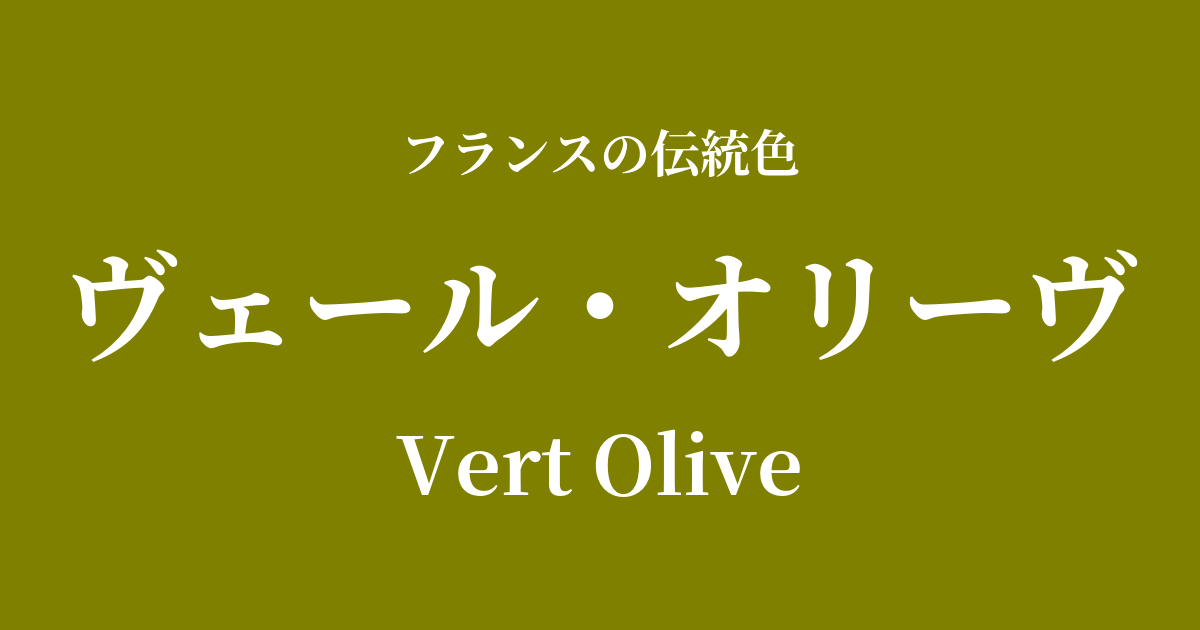
| French | Vert Olive |
|---|---|
| Katakana | Veil Olive |
| HEX | #808000 |
| RGB | 128, 128, 0 |
What is Vert Olive? Origin and Etymology
Vert Olive, meaning "olive green" in French, is a deep, calming yellowish-green color. As the name suggests, it is derived from the color of olives grown under the bright sunshine of the Mediterranean coast, especially in the Provence region of southern France.
This color captures the vibrant hue of young, unripe olives. Since the olive tree itself has been a symbol of fertility, peace, and wisdom since ancient Greek and Roman times, the color Vert Olive also evokes images of harmony with nature, serenity, and stability.
The historical background of Vert Olive
The history of Vert Olive is deeply intertwined with the history of olive cultivation along the Mediterranean coast. Since ancient Roman times, olive oil has been an indispensable part of people's lives, not only for cooking but also for lighting and cosmetics, and the color of its fruit has been an integral part of everyday life.
In medieval Europe, green dyes were unstable and prone to fading, so they were not always considered a noble color. However, earth tones like veil olive, derived from plants, were relatively easy to obtain and were often used in the clothing of common people and practical fabrics.
In modern times, this color took on a new role. Its natural, harmonious hue led to its adoption in military uniforms in many countries. Especially after World War I, as similar colors like olive drab and khaki became widespread in military wear, verre olive came to be recognized as a color symbolizing strength and functional beauty.
Veil Olive in the World of Art and Fashion
In the world of art, particularly for painters depicting the landscapes of southern France, verre olive was an indispensable color. Post-Impressionist master Paul Cézanne repeatedly painted the landscapes of his hometown, Aix-en-Provence, and effectively used this deep green to express the rustling of olive groves. Vincent van Gogh, who worked in Arles, also captured the silvery shimmer of olive leaves in the sunlight and the shadows they cast on canvas with passionate brushstrokes.
In the world of fashion, verre olive is a timeless and chic color. In the 20th century, as military style was incorporated into fashion, it became a staple color for trench coats and cargo pants. On the other hand, when used in high-quality materials such as silk and cashmere, it creates an urban and sophisticated elegance. This color, which gives an impression of being both natural and intelligent, continues to inspire many designers.
The olive trees here are truly unique. Some are silvery, some bluish, and some greenish.
Color scheme preview
This is to check the readability of the text when this color is used as the background.
Vert Olive color scheme proposal
Blanc Cassé (#DCD3B2)
The natural texture of Vert Olive harmonizes with the gentle, warm white of Blanc Cassé, creating a calm and sophisticated space. Recommended for interiors and fashion that aim for a natural and comfortable impression.
Jaune de Naples (#F7D98E)
This vibrant combination evokes the sun and earth of Provence in southern France. The calming verre olive is accented by the bright jaune de naple, creating a warm and cheerful impression.
Gris de Lignan (#B7A8A3)
Although both are earth tones, the green of Vert Olive and the subtle reddish tint of Gris de Lignan complement each other, creating an elegant and modern atmosphere. It gives an intelligent, calm, and profound impression.
Practical Scenes
In interior design, Vert Olive brings a sense of calm and tranquility to a space. An accent wall in this color in a living room or study creates an intellectual and relaxed atmosphere. Furthermore, using it in fabrics such as linen or cotton curtains, sofas, and cushions creates a comfortable space with a natural warmth. It also pairs exceptionally well with wooden furniture such as oak and walnut.
In fashion, its versatility is its main appeal. Incorporating it into a cotton twill trench coat or trousers creates a classic, masculine look, while using it in a silk blouse or knitwear gives an elegant and feminine impression. It harmonizes beautifully not only with basic colors like white, black, beige, and navy, but also with warm colors such as terracotta and mustard yellow.
In web and graphic design, this color is ideal as the brand color for brands promoting organic products, natural cosmetics, and sustainable lifestyles. Its pleasing appearance and ability to convey trustworthiness and integrity make it perfect for backgrounds and key colors, creating a sophisticated and refined aesthetic.