
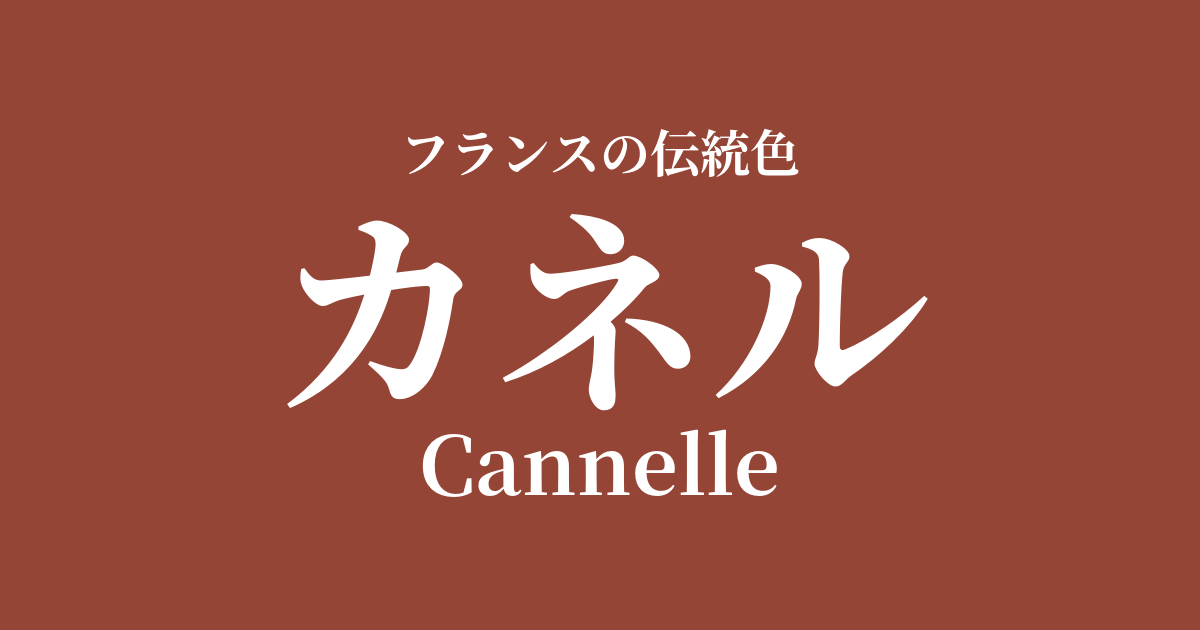
| French | Cannelle |
|---|---|
| Katakana | Canel |
| HEX | #954535 |
| RGB | 149, 69, 53 |
What does "Kanelle" mean? Origin and etymology
"Cannelle" is a French word meaning "cinnamon," a spice. As the name suggests, it refers to a warm, reddish-brown color that evokes the sweet and spicy aroma of cinnamon, which is made from the bark of the cinnamon tree.
The history of the spice trade since the Age of Discovery is deeply intertwined with the origins of this color as a traditional French color. Cinnamon was once such a valuable import that it rivaled gold and silver in price. As a result, the color canelle became more than just brown; it became etched in people's minds as a special shade symbolizing wealth, prosperity, and a longing for exoticism.
Historical background of Canel
Canelle first appeared in French color culture during the late Middle Ages and the Renaissance, when trade with the East flourished. Initially, it was a luxury color accessible only to a select few privileged classes, such as royalty, nobility, and clergy.
During France's cultural golden age from the 17th to the 18th centuries, canelle became widely popular in the worlds of fashion and interior design. In particular, during the Baroque period under Louis XIV and the subsequent Rococo era, these warm earth tones were combined with luxurious colors such as gold and crimson to create sophisticated spaces in the elegant court culture. Canelle's color palette can be seen in tapestries, furniture, and the dresses of noblewomen of the time.
Canel in the world of art and fashion
In the world of art, warm browns like canelle have played an important role in adding depth to the depiction of light and shadow. In 17th-century Dutch paintings, such as those by Rembrandt and Vermeer, these brown pigments were skillfully used to depict the light streaming into rooms and the texture of the figures' clothing. These realistic depictions also had a significant influence on French painters.
In the fields of fashion and textiles, Canelle is a timeless and universally loved color. Especially in autumn/winter collections, it's an indispensable color for warm materials such as wool, cashmere, and leather. Its subdued hue is both classic and sophisticated, making it a popular choice for long-lasting items like trench coats and leather goods.
Color scheme preview
This is to check the readability of the text when this color is used as the background.
Canel's color scheme proposal
Blue Nuit (#0F2540)
The warmth of Canelle and the calmness of the deep, night-sky blue "Bleu Nuit" complement each other, creating an intelligent and sophisticated color scheme. It gives the perfect impression for modern interiors and business settings where trustworthiness is essential.
Ecru (#FEFEE2)
The combination with "ecru," reminiscent of unbleached linen or silk, creates a natural and gentle atmosphere. The harmony of these soothing earth tones creates a relaxing and comfortable space and fashion.
Vieux Rose (#C08081)
The calmness of Canelle and the elegance of the muted pink "Vieux Rose" blend together to create a nostalgic and romantic impression. It's recommended for fashion and designs that want to express a sophisticated cuteness without being overly sweet.
Practical Scenes
In interior design, canelle is an ideal color for bringing warmth and tranquility to a space. Incorporating it into accent walls in the living room, sofas, curtains, rugs, etc., creates a cozy and relaxing atmosphere. It also pairs exceptionally well with wooden furniture and gold metal accessories.
In the world of fashion, canelé colors truly shine, especially in autumn and winter outfits. A coat or knit in canelé color instantly adds depth and a seasonal feel to an outfit. Furthermore, incorporating it into leather items such as bags, shoes, and belts tightens up the overall style and adds a sophisticated accent.
In web and graphic design, this style is effective when you want to convey trustworthiness, tradition, and the warmth of handcrafted work. It's suitable for expressing a calm and sophisticated worldview, such as for organic food brands, historical crafts, or lifestyle content.