
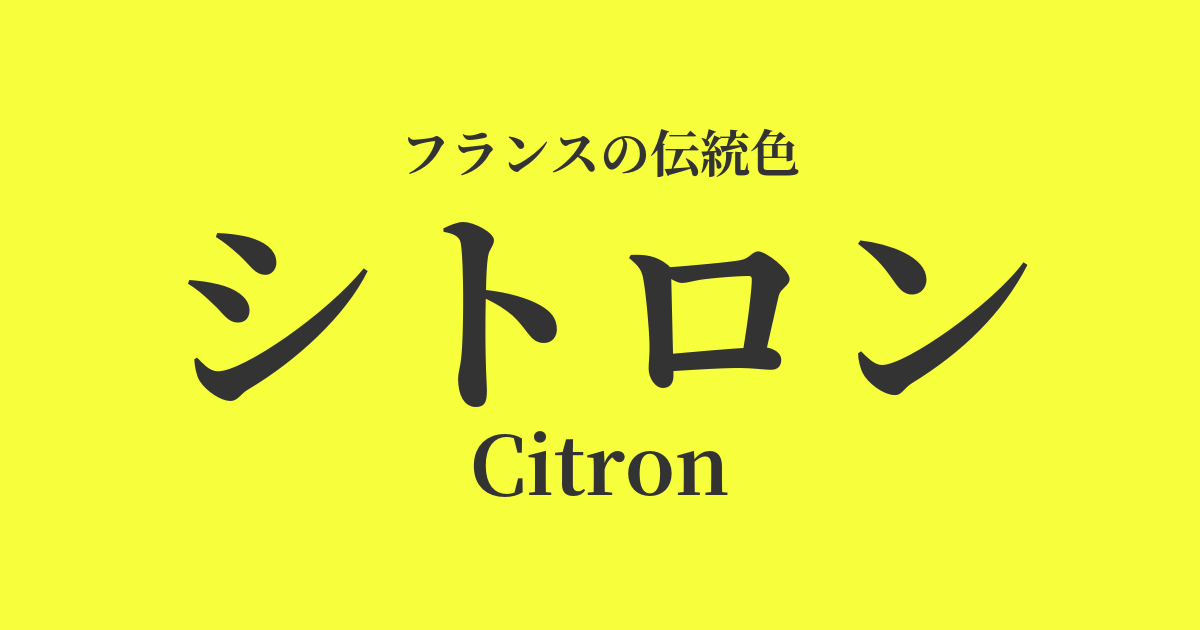
| French | Citron |
|---|---|
| Katakana | citron |
| HEX | #f7ff3c |
| RGB | 247, 255, 60 |
What is citron? Origin and etymology
"Citron" is the French word for "lemon." As the name suggests, it represents a vibrant, slightly greenish-yellow color, like the peel of a lemon that has grown under plenty of sunlight.
The word's etymology traces back to the Latin word "citrus," which refers to citrus fruits in general. It is strongly associated with the warm Mediterranean climate, particularly the lemons cultivated in the French Riviera in southern France, and its vibrant color evokes a refreshing aroma and tartness that fills the mouth just by looking at it.
Historical background of citron
The exact time when lemons were introduced to France is uncertain, but it is believed they spread throughout the Mediterranean world during the Roman era and the Crusades of the Middle Ages. Initially, they were highly valued for their medicinal and ornamental properties.
Citron as a color only gained cultural attention in the modern era. Particularly from the late 19th to the early 20th century, as the development of the railway network made the French Riviera a popular resort destination for people from all over Europe, citron came to be widely used in tourist posters and advertising designs as a color symbolizing the region's bright sunshine and cheerful atmosphere. Citron became a color that evoked the sparkling vacations of southern France, in contrast to the often cloudy skies of northern France.
Citron in the world of art and fashion
In the world of art, the vibrant brilliance of citron has captivated the hearts of many painters. In particular, Vincent van Gogh, who created his works in Arles in southern France, frequently used intense yellow, as if trying to depict sunlight itself. The brilliant yellow seen in his masterpieces "Sunflowers" and "The Yellow House" deeply resonates with the vitality and sense of hope that citron embodies.
Henri Matisse, who also loved Nice in southern France, effectively used bright yellow, reminiscent of citron, in his bold use of color. In his works, yellow plays an important role in filling the canvas with the light and joy of the Mediterranean.
In the fields of fashion and textiles, the citron motif and color frequently appear in "Provence prints," traditional fabrics from the Provence region. Lemon patterns adorning tablecloths and aprons are a symbol of a deeply rooted color culture that brings brightness and joy to the dining tables of homes in southern France.
Color scheme preview
This is to check the readability of the text when this color is used as the background.
Citron's color scheme proposal
Blue Lavande (#8884d4)
This color scheme evokes the iconic landscape of Provence in southern France. The contrast between sun-drenched lemons and cool lavender fields creates a natural and refreshing impression.
Blanc de Cassé (#F0E9E0)
The vibrant citron is gently complemented by the warm off-white. This combination is recommended for creating a clean yet soft, modern, sophisticated, and elegant atmosphere.
Gris de l'Ain (#D3C9B9)
Combining vibrant citron with a calm, linen-like gray creates a sophisticated, grown-up impression. The color scheme strikes a perfect balance between urban chicness and a touch of playfulness.
Practical Scenes
Incorporating it into your interior design will brighten the entire space and create a positive atmosphere. Simply adding it as an accent in cushions, art panels, or small pieces of furniture will vividly change the impression of the room. In particular, using citron as an accent color in a simple space based on white or gray will make its beauty stand out.
In fashion, it's a color that takes center stage in an outfit. Boldly incorporating it into a dress or skirt creates a vibrant style that shines in the summer sun. Alternatively, subtly adding it through accessories like bags, scarves, or shoes can add a lively and sophisticated accent to your look.
In web and graphic design, it's effective when used for buttons and headlines that you want to attract attention. It's also an ideal color for conveying a brand image that is fun and energetic.