
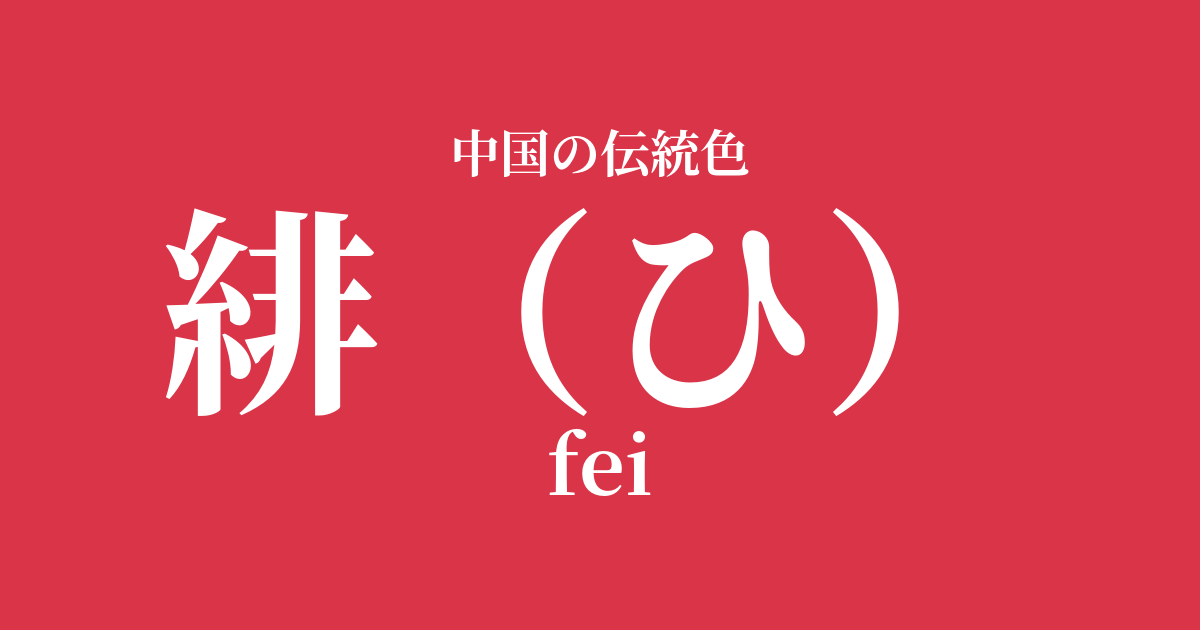
| Color name | 緋 |
|---|---|
| reading | ひ |
| pinyin | fei |
| HEX | #D93448 |
| RGB | 217, 52, 72 |
What does "绯" mean? Origin and etymology
"绯 (緋)" refers to a vibrant, deep red color obtained by dyeing with the roots of the madder plant (Akanesou).
The kanji character "绯" is a phono-semantic character formed by combining the radical for "thread" (糸) with the character "非" (非). "非" means to separate to the left and right, and it is said to represent the way the dye spreads across the fabric, revealing a vivid red color. It has been used since ancient times to refer to a particularly beautiful red color in madder dyeing.
This color is not simply derived from plants; its shade subtly changes depending on the type of mordant used and the dyeing process. The crimson color, created through the highly skilled techniques of artisans, shines with a particularly beautiful luster on silk fabrics, captivating people.
Historical background of the sun
The color crimson gained particular prominence on the historical stage during the Tang Dynasty. At that time, the imperial court established a system called "pin-shikie" (ranks of clothing), which strictly distinguished the status of officials by the color of their clothing.
Under this system, crimson was a color that only high-ranking officials of the fifth rank or higher were permitted to wear. It was considered the second most noble color after purple, and wearing a crimson robe was a symbol of advancement and honor. For this reason, many officials aspired to wear crimson official attire.
Even during the Song dynasty, crimson continued to be used as the color of official attire, although the system gradually changed. However, the impression that it was a color associated with authority and special status, rather than one that ordinary people could freely use, persisted for a long time. It also has a history of being cherished as a color that adorns special occasions such as festivals and ceremonies.
Crimson in Chinese art and crafts
Crimson is deeply intertwined with Chinese clothing culture. Perhaps the most iconic example is the "hiho" (crimson robe) worn by officials during the Tang Dynasty. This vibrant red was also favored in the splendid attire of court ladies and in the traditional formal wear worn by brides at weddings. As a color symbolizing vitality and joy, it has graced celebratory occasions.
In the world of painting, this color was effectively used in techniques such as gongbi painting to depict the clothing of figures and auspicious flowers like peonies and peach blossoms. The vibrant crimson color adds vibrancy and life to the painting, highlighting the subject matter.
Furthermore, a red reminiscent of crimson can also be seen in the field of ceramics. For example, the red patterns called "hongban" that appear on Jun ware from the Song dynasty are beautiful colors created by unexpected changes in the kiln, and they possess an appeal that is similar to crimson.
Goshin Hinoshima Haru
Color scheme preview
This is to check the readability of the text when this color is used as the background.
Suggested color scheme for red
Tsukihaku (#EAF4FC)
When combined with pure moonlight, the vibrancy of the crimson color is further enhanced. The two colors complement each other, creating a refined and clean impression.
Raven blue (#424242)
The deep, calming crow blue powerfully supports the passionate crimson red. The beautiful contrast creates a dramatic color scheme that conveys a sense of gravitas and modern elegance.
Fujio (#FFB61E)
When combined with vibrant lavender yellow, it creates a magnificent and opulent atmosphere reminiscent of Chinese court culture. It gives a festive and energetic impression that brightens the hearts of those who see it.
Practical Scenes
In the world of fashion, red has the power to be the focal point of an outfit. When used in large areas such as dresses and coats, it creates a bold and passionate impression. When incorporated into accessories such as scarves, bags, and jewelry, it adds a touch of glamour and elegance to the entire look.
In interior design, using this color in cushion covers, art panels, and rugs brings warmth and vibrancy to a space. When paired with white, gray, or dark wood-grain furniture, the color stands out, creating a modern and sophisticated atmosphere.
In web and graphic design, its high visibility makes it effective for use on important elements that you want to attract the user's attention, such as buttons, icons, and headings. It's also a suitable color for conveying a brand's passion and energy.