| French | Noyer |
|---|---|
| Katakana | Noyé |
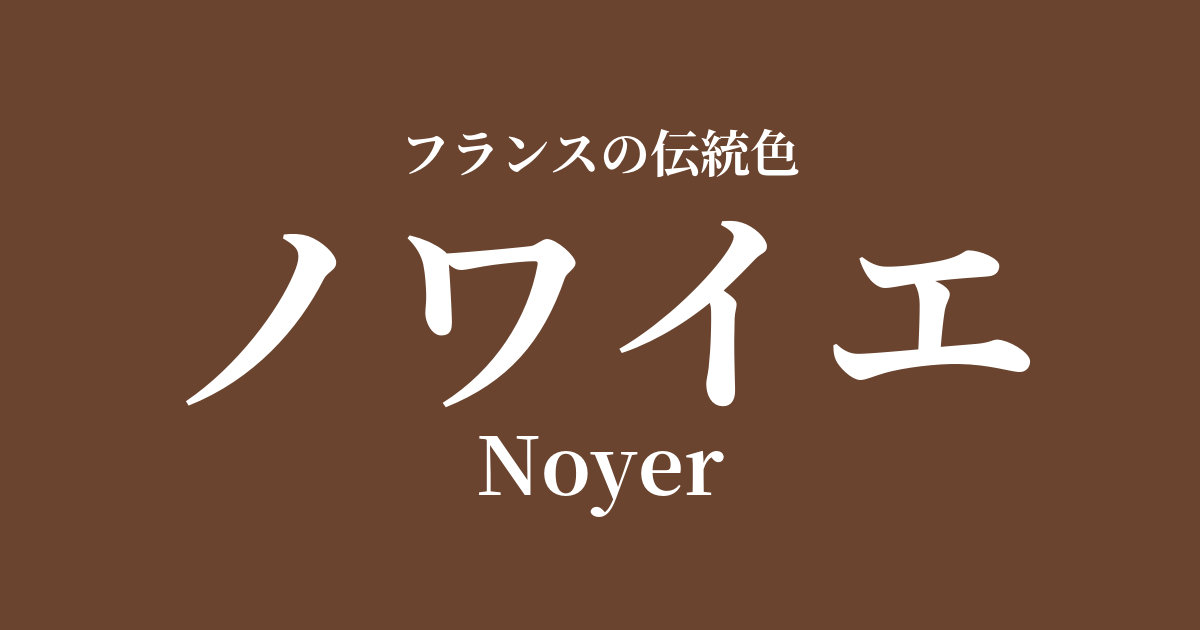
| HEX | #6a442e |
| RGB | 106, 68, 46 |
What is Noyer? Origin and Etymology
"Noyer" is a French word meaning "walnut tree." As the name suggests, this color is derived from the deep, rich brown color of the walnut tree, which has been cherished in Europe since ancient times, especially its wood.
Walnut wood has been prized since ancient times as a material for high-quality furniture, building materials, and musical instruments due to its beautiful grain and ease of processing. The complex hues seen on the polished surface of walnut wood, which are warm yet sometimes tinged with gray or purple, came to be known as the color "noyer."
Furthermore, the hard shells and bark of walnuts have long been used as brown dyes. This robust and subdued color, derived from nature, has a history deeply rooted in people's lives.
The historical background of Noyer
Walnut wood played a particularly important role in French history during the monarchical period of the 17th and 18th centuries. In the Baroque era established by Louis XIV and the subsequent Rococo era, walnut wood was the primary material used to create opulent furniture for royalty and nobility.
The exquisitely carved cabinets, chairs, and tables that adorned the Palace of Versailles were further enhanced in value by the rich and dignified hues of Noyer wood. This color was not merely the color of wood, but was seen as a symbol of wealth, authority, and refined taste.
Even as civil society matured after the French Revolution, Noyer remained a favorite among bourgeois households. In a society that valued a simple, sturdy, and tranquil lifestyle over extravagant decoration, this solid brown color established itself as a timeless classic.
Noyers in the world of art and fashion
In the world of art, Noyer's presence is particularly evident in his interior and still-life paintings. As seen in the works of 17th-century Dutch and Flemish painters, such as Johannes Vermeer, the deep brown of furniture placed in light-filled rooms accentuates the contrast between light and shadow, giving the painting depth and tranquility. It is said that much of this furniture was made of walnut wood.
In the world of fashion, Noyer is seen not so much as a cutting-edge color, but rather as a color that symbolizes quality and timeless appeal. It's often chosen for items meant to be cherished for a long time, such as leather shoes, bags, belts, and coats made of tweed or wool. Its subdued hue exudes reliability and sophistication.
In textile culture, it played a crucial role in the production of tapestries (wall hangings), exemplified by Gobelin tapestries. Deep browns like Noyer were indispensable as a base color for expressing shading within intricate patterns and for highlighting other vibrant colors.
Color scheme preview
This is to check the readability of the text when this color is used as the background.
Noyer's color scheme proposal
Ecru (#f5f5dc)
The soft brightness of ecru softens the weighty feel of noyer, creating a calm and comfortable space. The combination, reminiscent of natural materials, brings warmth and sophistication to the interior.
Blue Roi (#002366)
The combination of deep brown Noyer and noble Blue Roi creates a classic and dignified impression. The colors complement each other, exuding an intelligent and calm atmosphere.
Rouge de Bordeaux (#6D071A)
The deep red of aged wine combined with the brown of walnut wood creates a rich and profound color scheme. It evokes images of autumn harvests and the warmth of a fireplace, creating a luxurious atmosphere.
Practical Scenes
In interior design, Noyer is a color that brings stability and elegance to a space. Incorporating it into large areas such as flooring, doors, and large dining tables creates a calm atmosphere throughout the home. Painting an entire wall of a study this color can create an intellectual space conducive to concentration. It also pairs exceptionally well with brass and gold hardware.
In fashion, Noyer is an essential color for autumn and winter outfits. Incorporating Noyer into items such as wool coats, leather jackets, and boots adds depth and sophistication to your look. As it is a timeless color, choosing items made from high-quality materials will allow you to enjoy them for many years.
In web and graphic design, it is suitable as a key color for brands that want to convey trustworthiness and tradition. When used as a background color, it makes content stand out and gives users a sense of security. It is often used on the websites of law firms, luxury furniture brands, and historic hotels.