
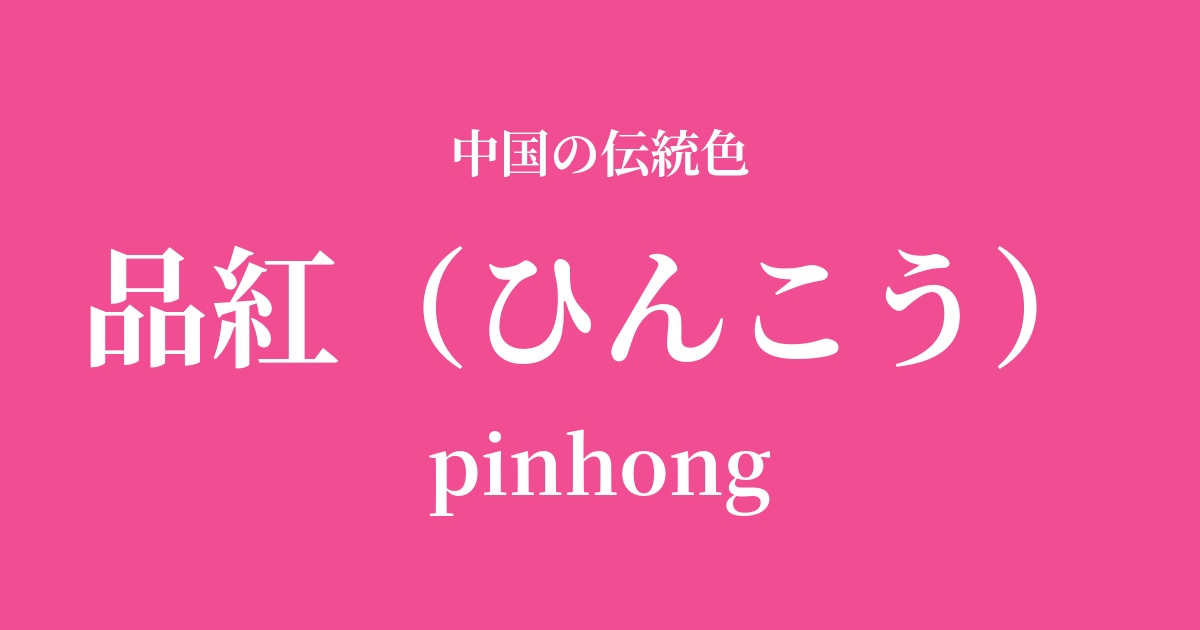
| Color name | Shinaka |
|---|---|
| reading | Hinko |
| pinyin | pinhong |
| HEX | #F04D92 |
| RGB | 240, 77, 146 |
What is Pinhong? Origin and Etymology
Hinkou is a vibrant pink color with a bluish tint, similar to magenta. Its name is said to mean "a dignified crimson" or "the highest quality crimson," accurately describing its striking beauty.
This color does not originate from traditional Chinese natural dyes, but rather from pigments introduced from the West in a relatively recent era. Specifically, it was created from imported colorants known as "red," such as cochineal and later, aniline-based synthetic dyes (such as fuchsin).
Compared to the red colors obtained from traditional sources such as safflower, imported red was remarkably vibrant and resistant to fading. This allowed for unprecedentedly brilliant color expressions, which were met with great astonishment and acceptance by people at the time. The name "high-quality red" was a tribute to the exceptional quality of this new imported color.
Historical background of Pinhong
Red pigments gained particular attention in Chinese history during the late Qing dynasty. During this period, as trade with other countries flourished, many new pigments and dyes were brought to China along with a wealth of Western culture.
Among them, the vibrant shades of rouge particularly captivated the hearts of the women of the court. It became extremely popular as the color of their luxurious clothing and the cosmetics they used to adorn their cheeks and lips, and it became one of the colors that symbolized the splendor of the court culture of the time.
In particular, it is said that Empress Dowager Cixi (Empress Dowager Cixi), a powerful figure in the late Qing dynasty, favored this color. Her surviving portraits and belongings show the use of a vivid pink color similar to 'pin hong,' suggesting that this color embodied the highest aesthetic sensibilities of the time. Pin hong was a color that broke away from traditional color concepts based on the Five Elements philosophy, heralding the arrival of a new era.
Red in Chinese Art and Crafts
In the history of fashion, reddish-brown (pinhong) was frequently used as a color to adorn the court attire of the Qing Dynasty, especially the qipao and ceremonial robes worn by empresses and consorts. When dyed onto lustrous silk fabrics, pinhong shimmered in the light, highlighting the wearer's noble status. It was also a popular thread for embroidery, giving a vibrant and lively appearance to motifs such as peonies and phoenixes.
In the field of ceramics, its influence can be seen in the fencai and enamelware techniques that developed during the Qing Dynasty. These techniques, which applied Western pigment technology, enabled the creation of soft and diverse color expressions that were difficult to achieve with previous techniques such as polychrome enamelware. Red pigment was effectively used as an accent for the flower, bird, and figure paintings on the surface of the vessels, further enhancing the artistic value of the works.
Color scheme preview
This is to check the readability of the text when this color is used as the background.
Color scheme proposal for red
Mayuzuri (#495859)
This combination features a vibrant red and a deep, calming dark green. The vibrancy and richness complement each other, creating a modern and sophisticated impression. It's recommended for those who want to achieve a balance between classic elegance and contemporary sensibility.
Tsukihaku (#EAF4FC)
The very pale, bluish-white color reminiscent of moonlight enhances the vibrancy of the reddish-brown. The overall color scheme creates a light and elegant atmosphere, conveying a sense of cleanliness and feminine softness.
Fujio (#FFB61E)
Combining it with a bright and cheerful wisteria yellow creates a festive and energetic impression. The vibrancy of each color enhances the others, resulting in a positive color scheme that brings joy and vitality to the viewer.
Practical Scenes
In the world of fashion, incorporating this color into dresses, blouses, and skirts instantly brightens up an outfit. Because it's such a striking color, it's also lovely used as an accent in accessories like scarves, bags, and jewelry. In particular, its beauty stands out when paired with basic colors like white, black, and gray.
In interior design, using this color as an accent color for cushion covers, art panels, rugs, etc., brings vibrancy and sophistication to a space. An accent wall, where just one wall is painted this color, is another way to create a unique and stylish space. It pairs well with both modern furniture and antique-style interiors.
In web and graphic design, it's effective when used for buttons, headings, logos, and other elements you want to attract attention. It's particularly useful when building brand images for beauty, fashion, and lifestyle-related industries, as it can simultaneously convey a sense of luxury and modern sensibility.