
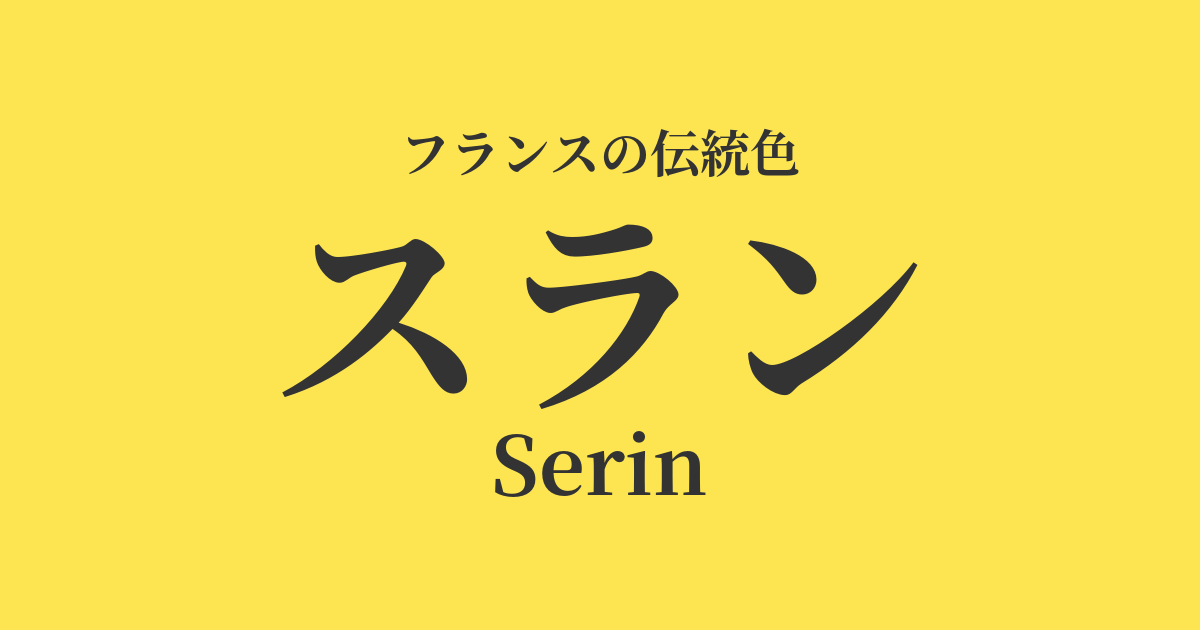
| French | Serin |
|---|---|
| Katakana | Slan |
| HEX | #fce551 |
| RGB | 252, 229, 81 |
What is Slan? Origin and Etymology
"Serin" is a French word meaning "serine," a small bird. This bird, also known as the European serine in Japan, belongs to the finch family and is particularly known for the bright yellow feathers on the throat and chest of the male.
The beautiful, vibrant yellow color of these feathers became the name of the color itself. It's a color name that reflects the French aesthetic sense of wanting to incorporate the colors of adorable creatures in nature into everyday life. Its bright hue seems to symbolize the arrival of spring and the joy of life.
Historical background of Slan
Serein's work particularly gained attention in 18th-century France, a time when the elegant and opulent Rococo culture flourished. His palette is known as one of the favorites of Madame de Pompadour, Louis XV's mistress, and later Queen Marie Antoinette.
At the court at that time, fashion shifted from the majestic Baroque style to the lighter, more intimate Rococo style. Along with this, the color palette also changed, with a preference shifting from heavy, rich colors to bright, delicate pastel colors like those of Selain.
This color was used in the luxurious dresses of noblewomen, the wallpaper adorning their homes, and the porcelain of the Sèvres factory, adding a cheerful and sophisticated touch to court life.
Slan in the world of art and fashion
The works of leading Rococo painters such as Jean-Honoré Fragonard and François Boucher effectively utilize a bright yellow reminiscent of Selein. In their depictions of mythological scenes and elegant aristocratic pastimes, this color was essential for expressing light, joy, and a sweet atmosphere.
Slan also played an important role in the world of fashion. When this color was used in dresses made from lustrous fabrics such as silk and satin, they shimmered in the light and showed an elegant expression as they moved with the wearer. It was also incorporated as an accent in accessories such as ribbons decorating hats and fans, creating a sophisticated and stylish look.
In textile culture, bright yellows like selan were sometimes added as one of the colors to the multi-colored designs of the traditional French fabric "Toile de Jouy."
Color scheme preview
This is to check the readability of the text when this color is used as the background.
Slan's color scheme proposal
Rose Pompadour (#ed82a1)
This sweet and elegant combination is reminiscent of the Rococo era. The cheerfulness of the slein and the loveliness of the rose harmonize to create a feminine, glamorous, and heart-fluttering impression.
Blue Selene (#a0d8ea)
This refreshing and open color scheme evokes a clear sky and sunlight. The bright blue gently complements the lively energy of Slan, creating a comfortable and light atmosphere.
Gris de Lignan (#a9a29a)
This sophisticated combination features a bright slun fabric accentuated by a chic flaxen-gray. It exudes a modern yet warm feel, creating a refined and mature urban atmosphere.
Practical Scenes
In interior design, incorporating slun as an accent in cushions, curtains, or parts of chairs can give the entire space a brighter and more lively feel. Adding it to a room with a white or light gray color scheme creates warmth and a playful atmosphere.
In fashion, it's the perfect color for spring and summer outfits. You can boldly incorporate it into dresses and blouses, or use it as an accent color in accessories like scarves, bags, and shoes to add vibrancy and liveliness to your look. It also pairs exceptionally well with basic colors like navy, beige, and white.
In web and graphic design, it's effective when used for buttons and headlines that you want to attract attention. It's also suitable as a brand color to convey fun, energy, and creativity.