
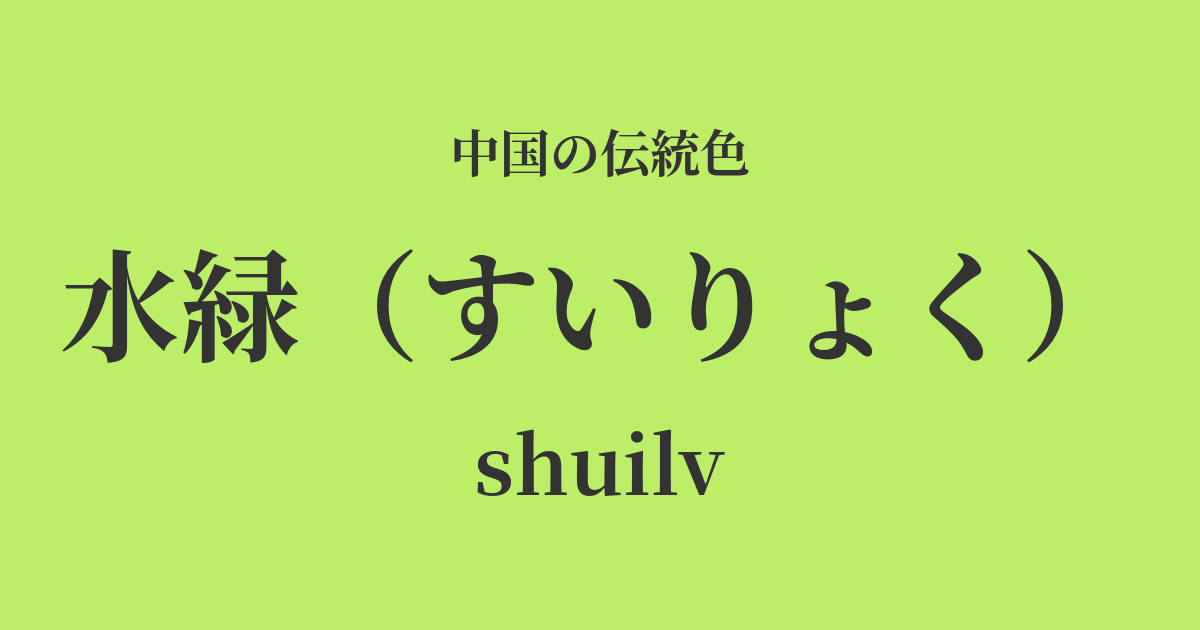
| Color name | Water Green |
|---|---|
| reading | water |
| pinyin | shuilv |
| HEX | #BCEE68 |
| RGB | 188, 238, 104 |
What is "水绿"? Origin and etymology
Suiryoku, as its name suggests, means "a green with the color of water," a pure and transparent color. It evokes images of a clear river flowing with melting snow in spring, or the reflection of the green of willows and trees on the shore of a calm lake.
This color captures the freshness of young leaves sprouting with the arrival of spring and the vibrant aquatic plants swaying in a clear stream. It is a highly poetic color, named after the unadulterated beauty of nature. It is a peaceful color where the breath of life and gentle tranquility coexist.
Historical background of water green
Historically, green has been cherished as a color symbolizing nature and vitality. In the Five Elements philosophy, it represents the virtue of "wood" and is considered the color that governs spring and the east.
The pale, pure green of Sui-ryoku was especially beloved by poets and writers of the Tang and Song dynasties. They escaped the hustle and bustle of the capital and immersed themselves in nature, finding beauty in its delicate color shifts and tranquility. Distinguished from the opulent colors used in the imperial court, Sui-ryoku has resonated with people's hearts as a color embodying a gentle and intellectual aesthetic.
Water green in Chinese art and crafts
The delicate shade of water green has been expressed in various fields of Chinese art. In particular, celadon, which flourished during the Song dynasty, features a beautiful, translucent green glaze that is reminiscent of water green. Among them, the celadon of Longquan kilns is considered one of the ideal expressions of water green, with its clear color.
In the world of painting, it is an indispensable color when depicting spring scenery in landscape paintings. It was used to represent willow leaves budding by the water's edge and fresh, vibrant mountains after the rain. It is also favored in traditional clothing such as Hanfu, used for light spring and summer outfits, creating a cool and elegant atmosphere. Its beauty is further enhanced when combined with the luster of silk.
Haruki Emizu Green Rui Ai
Color scheme preview
This is to check the readability of the text when this color is used as the background.
A light green color scheme proposal
Momoko (#F47983)
The refreshing green of the water and the sweetness of the peach-pink combine to create a vibrant and elegant impression, reminiscent of the flowers and young leaves that herald the arrival of spring.
Moon white (#D9D6C3)
The quiet and elegant shade of moonlight complements the refreshing quality of the water green, creating a calm and serene impression, reminiscent of a sumi-e (ink painting).
Ehuang (#FFF143)
The bright, soft yellow of the goose yellow harmonizes with the freshness of the water green, creating a cheerful and hopeful impression reminiscent of spring sunshine and new greenery.
Practical Scenes
Incorporating water and greenery into your interior design brings a calm and relaxing atmosphere to your space. Using them in wallpaper, curtains, cushions, and other fabrics can create a refreshing, breezy feeling in your room. They pair particularly well with white or natural wood-grain furniture.
In fashion, this color is perfect for blouses and dresses in spring and summer. It has a clean look and can brighten the complexion. When paired with light materials such as silk or linen, the freshness of the light green color is further enhanced, resulting in an elegant and sophisticated look.
In web design, this style is suitable for brand websites with a natural aesthetic and for health and wellness-related content. It conveys a sense of security and trust to users, and communicates a clean and honest image.