
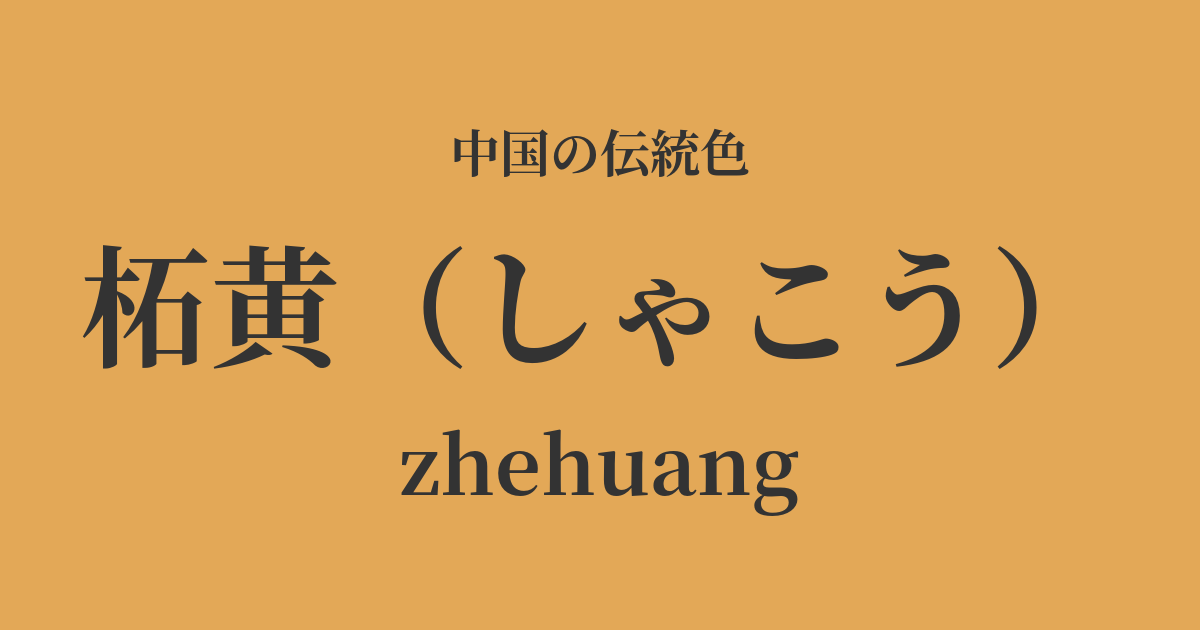
| Color name | Tsuo Huang |
|---|---|
| reading | Shakou |
| pinyin | zhehuang |
| HEX | #E3A857 |
| RGB | 227, 168, 87 |
What is Tsugeki? Origin and etymology
Shakou, as its name suggests, is a deep, reddish-yellow color dyed using the heartwood of the boxwood tree, or mulberry tree.
Known since ancient times as a valuable dye, the mulberry tree produces a unique, warm yellow from its trunk. This color, born from nature's bounty, is not only beautiful but also possesses a certain calmness and elegance.
Historical background of boxwood
The color boxwood first appeared on the historical stage during the Sui Dynasty. The first emperor, Emperor Wen (Yang Jian), deeply loved this subdued yellow and designated it as the color of his robe, that is, the outer garment he wore daily.
Furthermore, Emperor Wen forbade his subjects from wearing this color. This is considered the beginning of the "forbidden color" system, which restricted the use of certain colors to only those of specific social status. The culture of using color to demonstrate the emperor's authority began here.
This custom continued into the Tang Dynasty, with early emperors wearing robes made of boxwood yellow. However, as time progressed, brighter and more vivid colors such as "ochre" and "pure yellow" became preferred as the emperor's color, and boxwood yellow gradually lost its place. Nevertheless, as the origin of the emperor's color culture, boxwood yellow continues to hold special significance in the history of Chinese clothing.
Boxwood in Chinese Art and Crafts
Boxwood yellow is deeply intertwined with Chinese clothing culture, primarily as the color of the emperor's robe, the "huang bao." The "huang bao" worn by the emperors of the Sui and Tang dynasties was a symbol of supreme power.
In portraits of successive emperors and paintings depicting the imperial court, we can see clothing in shades similar to boxwood yellow. For example, the emperor's clothing depicted in "The Painting of a Palanquin," attributed to the Tang Dynasty painter Yan Liben, conveys the noble atmosphere of this color to this day.
Furthermore, among the yellow glazes found in ceramics such as Tang Dynasty sancai ware, there are some with a warm, reddish hue reminiscent of boxwood yellow. Through these works of art, we can glimpse how special boxwood yellow was to the people of that time.
Jinbon Suisai Shu Hongdei, A supervisor dispute resolution, Tsu Huangyi.
Color scheme preview
This is to check the readability of the text when this color is used as the background.
Boxwood Yellow Color Scheme Proposal
Pilestone (#9E5344)
The noble impression of the boxwood is enhanced by the calm reddish-brown of the ochre, creating a dignified and refined atmosphere. This color scheme evokes a sense of historical authority and tradition.
Moon White (#D9E6E5)
By combining the warm color of boxwood yellow with the cool, pure color of moon white, the two colors complement each other, creating an elegant and sophisticated impression. It also evokes a refreshing feeling, like a clear blue sky.
Matsuka Midori (#B0D235)
The warmth of boxwood yellow, combined with the youthful green of pine blossoms, creates a color scheme that evokes the vitality and brightness of spring budding. It creates a friendly and lively space.
Practical Scenes
In interior design, boxwood brings warmth and elegance to a space. Incorporating it into accent walls, cushions, or curtains will envelop the entire room in a calm and sophisticated atmosphere. It harmonizes particularly well with wooden furniture, Japanese-style interiors, and Asian modern spaces.
In fashion, a coat or dress in boxwood yellow has a presence that makes it the centerpiece of an outfit. It's not too flashy, yet it exudes a definite sense of elegance, making it suitable for special occasions. Using it as an accent color with accessories such as scarves or bags gives the entire outfit a sophisticated look.
In web design and graphic design, it is effective when you want to convey a sense of trust or tradition. When used as an accent color on the websites of established brands or in content dealing with historical themes, it results in a warm and persuasive design.