
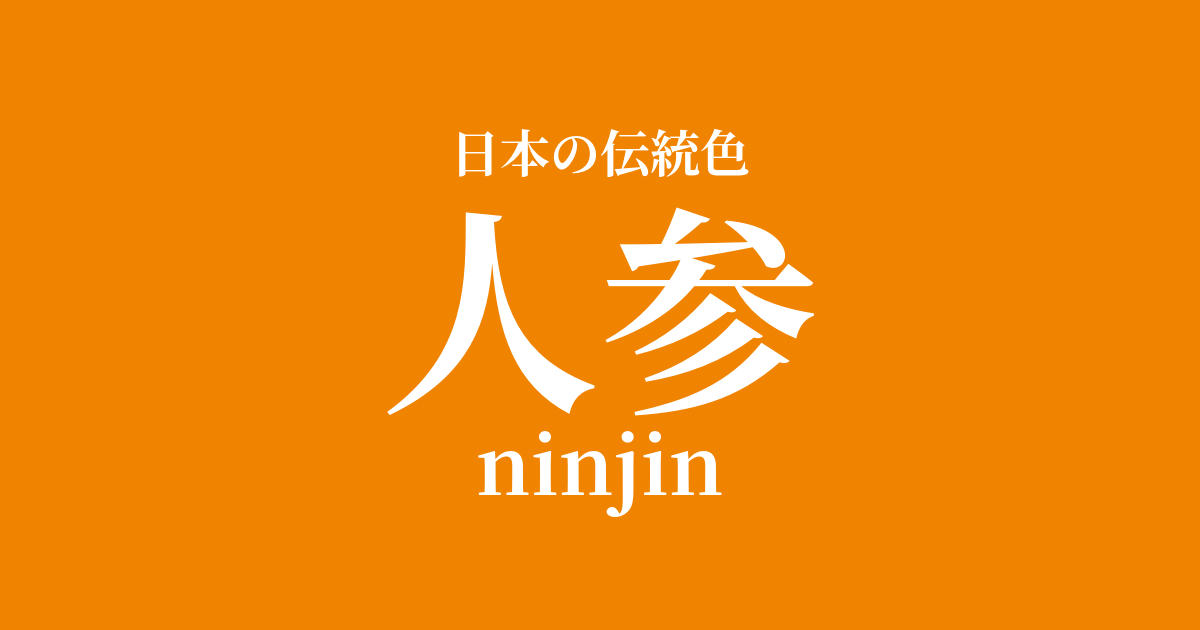
| Japanese color name | carrot |
|---|---|
| reading | ninjin |
| HEX | #F08300 |
| RGB | 240, 131, 0 |
What is a carrot? Origin and etymology
Carrot color, as the name suggests, derives from the color of the root of the carrot, a vegetable belonging to the Apiaceae family. In the JIS (Japanese Industrial Standards) standard color names, it is defined as "a vivid reddish-yellow." In particular, it is believed to have originated from the vivid reddish-orange color of Oriental ginseng (such as Kintoki ginseng) that was introduced to Japan during the Edo period. It is a familiar color found in nature, and its warm and healthy hue has made it an integral part of people's lives.
Historical background of carrots
Carrots are believed to have been introduced to Japan during the Muromachi period, and were initially treated as a medicinal plant. In the Edo period, cultivation techniques improved, and carrots became widely used as food on the tables of ordinary people. Along with this, it is thought that their vibrant color also attracted attention as a dye. In particular, because they dye cotton well, they were used in the clothing, hand towels, and accessories of ordinary people, and became established as a color that added vibrancy to daily life.
Related literature, waka poetry, and seasonal words
There are not many waka poems or classical literature that directly use the color name "carrot color." However, in the portraits of beautiful women and actors drawn by ukiyo-e artists of the Edo period, kimonos in a vivid reddish-orange color reminiscent of carrots are often seen. This is thought to reflect the fashion trends and color sensibilities of the common people at the time. In addition, "carrot" as a vegetable is a seasonal word for winter, and is sometimes used in haiku when composing poems about winter scenes.
Color scheme preview
This is to check the readability of the text when this color is used as the background.
Carrot color scheme proposal
Navy blue (#192F60)
This color scheme, using near-complementary colors, tightens the vibrancy of the carrot color, creating a strong and modern impression. Because each color stands out and visibility is enhanced, it is an effective design accent.
Blue gold (#FABF14)
By combining turmeric, a brighter and more radiant yellow similar to carrot yellow, a unified and vibrant gradation is created. This results in a warm color scheme that evokes images of abundance and fertility.
Bamboo green (#68BE8D)
The combination with a refreshing green reminiscent of carrot leaves creates a harmonious blend of colors found in nature, conveying a vibrant vitality and a fresh impression. It creates a friendly and cheerful atmosphere.
Practical Scenes
In the world of kimono, carrot yellow is used in accessories such as obi sashes, obiage (sash ties), and han-eri (collar ties), adding vibrancy and brightness to the outfit. It is a color that is especially common in children's kimonos and everyday cotton kimonos, giving an impression of being lively and healthy.
In interior design, incorporating it as an accent color in items such as cushion covers, curtains, and tablecloths brings warmth and vibrancy to a space. It also blends well with a Japanese modern style and has the effect of brightening the atmosphere of a room.
In web design and advertising, its vibrancy makes it a popular color for attracting attention. It's effective for buttons, banners, and sales announcements that encourage clicks. Furthermore, it's believed to stimulate appetite, making it suitable for food-related designs.