
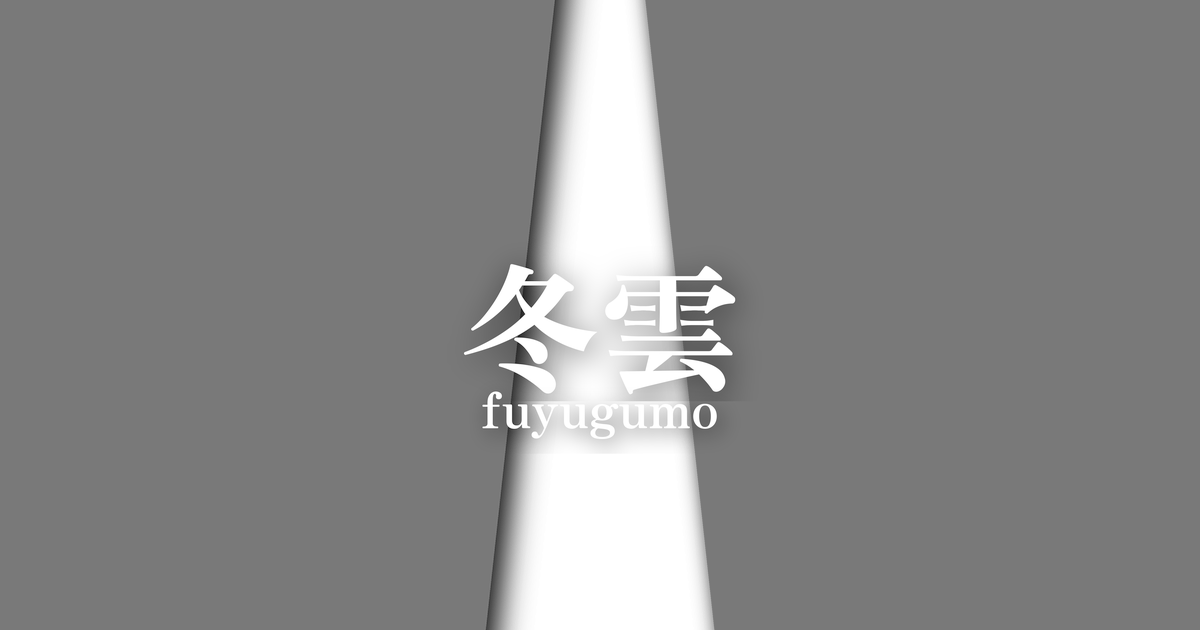
| Japanese color name | winter clouds |
|---|---|
| reading | fuyugumo |
| season | 冬 |
| Color of the table | Ash (hai) |
| Back color | White (shiro) |
What are winter clouds? Origin and etymology
The layered color combination "Winter Clouds," as its name suggests, is a color scheme that expresses the appearance of the winter sky. The gray used on the outside is said to represent the color of the heavy, overcast clouds before they begin to snow, while the white on the inside symbolizes the light peeking through the gaps in the clouds and the whiteness of the snow that is about to fall. This combination skillfully expresses the stillness and clear air amidst the harshness of winter, evoking in the viewer a scene of the winter sky. It reveals the high level of aesthetic sense of the Heian aristocracy who captured the subtle changes in nature and expressed them through the colors of their clothing.
Historical background of winter clouds
The layered color schemes of the Heian period a reflection of the refined aesthetic sensibilities of the aristocratic society. People were keenly aware of the changing seasons and natural scenery, and reflected these in the color combinations of their clothing, thereby demonstrating their education and sensitivity. "Winter Clouds" is one such color scheme, used to express the feeling of the winter season.
Although there are not many specific records of its use, the evocative theme of a cloudy winter sky was shared among the people of the imperial court and is thought to have been nurtured within a culture that enjoyed the beauty of the seasons through clothing.
Related literature, waka poetry, and seasonal words
The term "winter clouds" is used in Heian period literature to describe winter scenes. For example, the beauty of winter mornings is described in "The Pillow Book," and such scenes likely included cloudy skies. While direct descriptions of this color are rare, the solemnity and stillness of the winter sky as depicted in waka poetry and stories forms the aesthetic background for this color scheme. Furthermore, "winter clouds" is a seasonal word for winter in haiku poetry, and has been passed down through generations as a word symbolizing winter in Japan.
Even the winter clouds obscure the sky; what thoughts must a person with a heart have?
Winter clouds and scenery
"Winter Clouds" is a color combination worn during the winter season, especially from November to February. The combination of gray on the outside and white on the inside beautifully depicts the scene of a winter sky covered with thick clouds that look like they might bring snow. This color scheme, which harmonizes with the colorless nature of winter, gives an impression of tranquility and serenity rather than splendor. Heian aristocrats wore such attire to enjoy the quiet beauty of the harsh winter season and to express their refined sensibilities.
Color scheme proposals for winter clouds
Silver mouse (#AFB1B4)
By combining a lighter silver-gray with a hue similar to the gray of winter clouds, a sophisticated gradation is created. This color scheme evokes the light of winter and the sparkle of ice, giving it an elegant and modern impression.
Charcoal gray (#524E4D)
A charcoal gray, darker than the gray of winter clouds, has the effect of tightening the overall color scheme. It is suitable when you want to add a sense of stillness to a winter night or a powerful impression, creating a calm and dignified feel.
Withered color (#836A39)
The colors evoke the withered grass and tree trunks remaining in winter landscapes. They add warmth and natural color to the monochrome winter clouds. The color scheme brings a sense of life to the desolate winter scene.
Practical Scenes
In traditional Japanese clothing, the "winter cloud" color scheme, when incorporated into winter kimonos, obi sashes, and accessories such as obi ties, creates a stylish and seasonally appropriate look. In particular, pairing it with kimonos featuring patterns reminiscent of snowscapes results in a narrative-driven coordination. Because it is achromatic, it is easy to combine with other colors, giving a refined impression.
In contemporary design, using it in interior wallpaper and fabrics can create a minimalist and calming atmosphere. In web design and graphic design, using it as a background color conveys a quiet and intellectual impression. It's also suitable for seasonal winter campaign websites and for brand images that emphasize a serene atmosphere.