
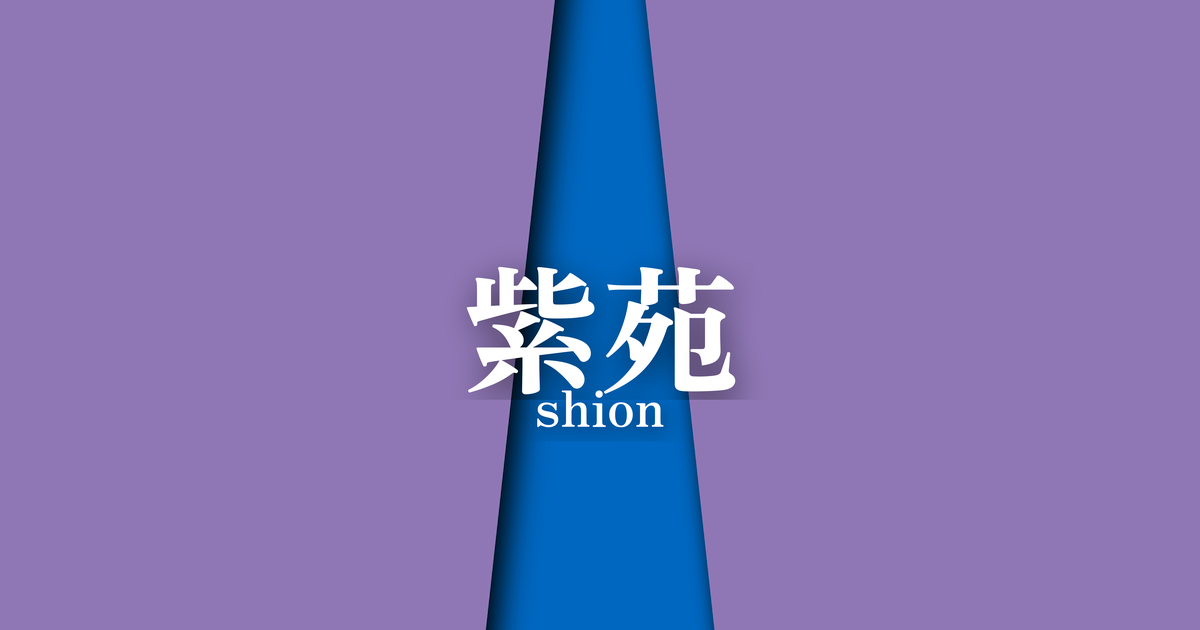
| Japanese color name | Shion |
|---|---|
| reading | shion |
| season | 秋 |
| Color of the table | Light color |
| Back color | blue (ao) |
What is Shion? Origin and etymology
The layered color combination "Shion" (purple aster) originates from the aster, a type of herbaceous plant that blooms with delicate flowers in autumn. The name is taken directly from the flower's name; the "pale color" on the outside represents the light purple petals of the aster, while the "blue" on the inside represents the greenish color of its leaves. In this way, the aristocrats of the Heian period were sensitive to the changing scenery of nature with the seasons and elevated it into the beauty of color combinations in their clothing.
The color of the aster is a delicate and exquisite expression of aesthetic sensibility, reflecting the lyrical atmosphere of autumn in the garment.
Historical background of Shion
In the aristocratic society of the Heian period, the color scheme of clothing was an important aspect of refinement, as it expressed a sense of the seasons. The "Shion" layering was said to have been worn during the autumn season, particularly from August to September in the old lunar calendar. It was mainly used in the layering of uchiki (outer robes) worn by court ladies, and its elegant color scheme was highly valued. As it is a purple-based color scheme, which is considered noble, it is thought to have also served to indicate the wearer's dignity and refined sensibilities.
This color scheme, which harmonizes with the lyrical atmosphere of autumn, was one of the important elements that adorned the court culture of the Heian period.
Related literature, waka poetry, and seasonal words
The aster flower is frequently depicted in Heian period literature, including "The Tale of Genji" and "The Pillow Book," as a flower symbolizing autumn scenery. In "The Tale of Genji" in particular, the aster flower is effectively used in scenes where Hikaru Genji remembers his deceased mother, Kiritsubo no Kōi, and Fujitsubo no Miya, and is associated with feelings of remembrance and longing. From this, it is said that the aster flower's meaning, "I will never forget you," originated.
The color "Shion" (purple aster), used as a layered color combination, also carries this literary imagery as its background. It was loved by the nobility not merely as a combination of colors, but as a richly narrative color scheme that evoked the melancholy and longing for companionship of autumn.
Asters wither in the mist, wild geese cry out in the chilly autumn twilight.
The season and scenery of aster
The "Shion" color combination expresses the feeling of the season, from the 8th to the 9th month of the lunar calendar, as autumn deepens. The light colors of the outer layer reflect the delicate hues of aster flowers blooming in the clear autumn light, while the blue of the inner layer evokes the color of leaves wet with morning dew and the clear, high autumn sky. This combination is both vibrant and somewhat melancholic, beautifully capturing the tranquil scenery of autumn. It can be said to be a sophisticated color design for wearing the lyrical Japanese autumn landscape, where insects chirp and flowers are glistening with dew.
Shion's color scheme proposal
Kutsuha color (#917347)
The withered leaf color, reminiscent of fallen autumn leaves, combined with the aster's color scheme, expresses the deepening autumn scenery. The elegance of purple and the calmness of brown harmonize to create a sophisticated and intellectual impression.
White training (#FFFFFF)
The pure white of the shironori fabric highlights the pale purple of the aster flower, emphasizing cleanliness and nobility. In Heian period attire, white was valued as a color of purity, and in modern designs, it creates a sophisticated and modern impression.
Dayflower color (#38A1DB)
The dayflower blue, which is in the same color family as the reverse side of the aster, creates a unified, refreshing, and sophisticated color scheme. It evokes the crisp autumn air and the sparkle of morning dew, resulting in a combination that feels both calm and fresh.
Practical Scenes
In terms of attire, the color "shion" (purple aster) was used in the layered uchigi (outer robes) worn by court ladies during the Heian period. This color scheme demonstrated the wearer's deep understanding of the season and refined culture at elegant gatherings such as court ceremonies and poetry readings held in autumn. Its graceful hue harmonized with the lyrical atmosphere of autumn and embodied the aesthetic sensibilities of the imperial court.
In modern times, this color scheme is applied to traditional Japanese clothing accessories such as kimonos, obi sashes, and obiage (sash ties), and is beloved as a color for autumn attire. In interior design, incorporating it into wallpaper and fabrics can create a calm and modern Japanese atmosphere. It can also be used in websites and graphic design to create an elegant and sophisticated impression, offering clues for reinterpreting traditional Japanese beauty with a contemporary sensibility.