
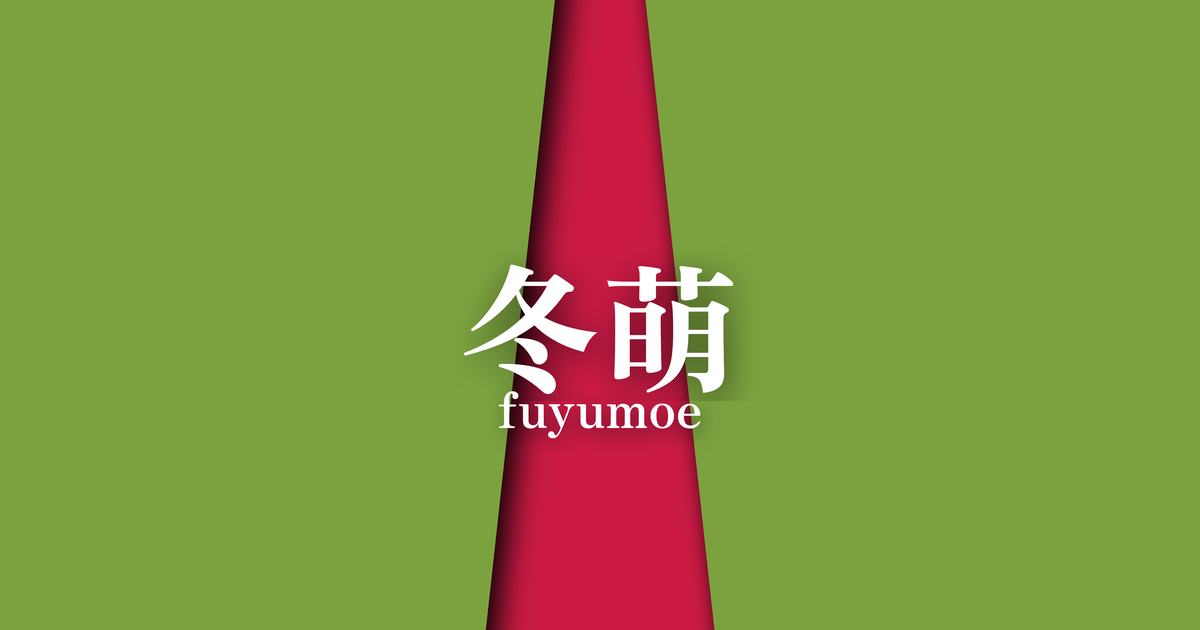
| Japanese color name | Winter Moe |
|---|---|
| reading | fuyumoe |
| season | 冬 |
| Color of the table | Moegi (light green) |
| Back color | Beni (beni) |
What is Fuyumoe? Origin and etymology
Fuyumoe, as its name suggests, is a color combination that expresses the scene of "sprouting in winter." It symbolizes the vitality of plants and trees that await spring beneath the snow and ice in the harsh cold of winter, and are determined to sprout powerfully. The "moegi" on the outside represents the vivid green of newly sprouted young grass, while the "beni" on the inside is said to be a color that evokes the energy residing in the earth and the source of life. This combination of two contrasting colors vividly depicts the breath of life hidden within the tranquil winter landscape.
The etymology is thought to be related to "shitamoe," which refers to the appearance of green shoots sprouting from the roots of grass in the withered fields of winter. Heian aristocrats, with their keen sensibilities, captured the actual natural scenery and expressed the changing seasons delicately by translating it into the color schemes of their clothing. Fuyumoe is one of the poetic colors that embodies the hopes of people eagerly awaiting spring and their reverence for the power of nature.
Historical background of winter sprouts
The layered color scheme developed as a reflection of the refined aesthetic sensibilities of the aristocracy during the Heian period, as the national culture matured. Fuyumoe (winter sprout) is said to have been used as a color scheme for court ladies' attire worn during the winter season. It was particularly favored from the end of winter to the beginning of spring to express the longing for spring. This color scheme reflects the values of the time, where accurately capturing the seasons and even being slightly ahead of them was considered "chic."
Although specific records of its use are limited, its appearance in later court etiquette books such as the "Masasuke Shōzoku Shō" indicates that it was recognized as a traditional color combination. It is thought to have been worn in various settings, including court ceremonies and private banquets. In the harsh cold of winter, this brightly colored garment would have given onlookers a sense of anticipation for the arrival of spring and brought them a cheerful mood.
Related literature, waka poetry, and seasonal words
While it is difficult to find direct mentions of the color name "Fuyumoe" (winter sprouts) in Heian period stories or diaries, the aesthetic sensibility behind it is expressed in many waka poems. For example, the *Kokin Wakashū* and *Shin Kokin Wakashū* contain poems about picking young greens peeking out from between the snow in winter, sharing a common sensibility of appreciating the brilliance of small life in harsh environments. Fuyumoe can be said to be a color expression of this worldview of waka poetry.
Furthermore, the imagery of winter sprouts is deeply connected to the winter seasonal words "shitamoe" (undersprouts) and "yukimagusa" (snow-covered grass). These words refer to the few green sprouts visible in the barren winter landscape, symbolizing hope for the coming spring. Wearing a kimono featuring winter sprouts was not merely decoration, but a cultural act of embodying these poetic scenes through one's own body.
On the lush, sprouting grass of Kasugano, the light spring snow appears indifferent.
The season and scenery of winter buds
Fuyumoe (winter sprouts) is a color scheme that symbolizes Japan's delicate sense of the seasons, finding the first signs of spring amidst the harshness of winter. It depicts the image of young grass vigorously sprouting from beneath the snow and between the frozen earth, expressed through the contrast of vibrant yellow-green and passionate red. This color scheme evokes both the stillness of winter and the vibrant life hidden within, giving the viewer hope and warmth.
The most appropriate time to wear this color is from the end of winter to early spring, specifically around January to February. Wearing it during the season when we welcome the new year and eagerly await the arrival of spring allows us to express a sense of unity with nature and the delicate transition of the seasons. It was an outfit that conveyed a sense of anticipation for spring, even amidst the harsh cold.
Color scheme proposal for Fuyumoe
Shironeri (#F8F8F8)
By combining it with a pure white reminiscent of a winter snowscape, the scene of "winter sprouts"—young grass emerging from the snow—becomes even more vivid. The result is a refreshing yet striking color scheme, full of cleanliness and vitality.
Withered leaf color (#917347)
The withered leaf color, reminiscent of winter's barren fields and fallen leaves, complements the vibrant yellow of winter's new growth. The contrast between the lively green and the quietly waiting brown tones creates a combination that deeply expresses the depth of a winter scene.
Dark purple (#4A244F)
Deep purple, a color traditionally considered noble, adds elegance and tranquility to the Fuyumoe color scheme. The combination of youthful light green and crimson, along with the depth of purple, creates a refined impression reminiscent of the elegant world of Heian-era aristocracy.
Practical Scenes
In Heian period attire, this color scheme was primarily enjoyed as a layering choice for the uchiki (a type of kimono worn by women). The contrast between the light green peeking out from the outer garment and the subtle hints of red visible at the cuffs and hem created a beautiful shift in color as the wearer moved. It is thought to have added color to winter court life as an expression of an aesthetic sensibility that anticipated the coming season.
In modern Japanese attire, incorporating the colors of winter buds into visiting kimonos, casual kimonos, or accessories such as obiage and obijime (kimono sashes and cords) worn from winter to early spring can create a stylish and seasonal look. Wearing such attire, especially at New Year's celebrations, will give a cheerful and festive impression.
Beyond kimonos, the Fuyumoe color scheme can be applied to a variety of designs. In interior design, incorporating it into cushions and tablecloths brings a sense of winter tranquility and the bright atmosphere of anticipating spring into a room. In web design and graphics, using it in New Year's greetings or spring campaigns can capture the viewer's eye and convey a message of vitality and hope.