
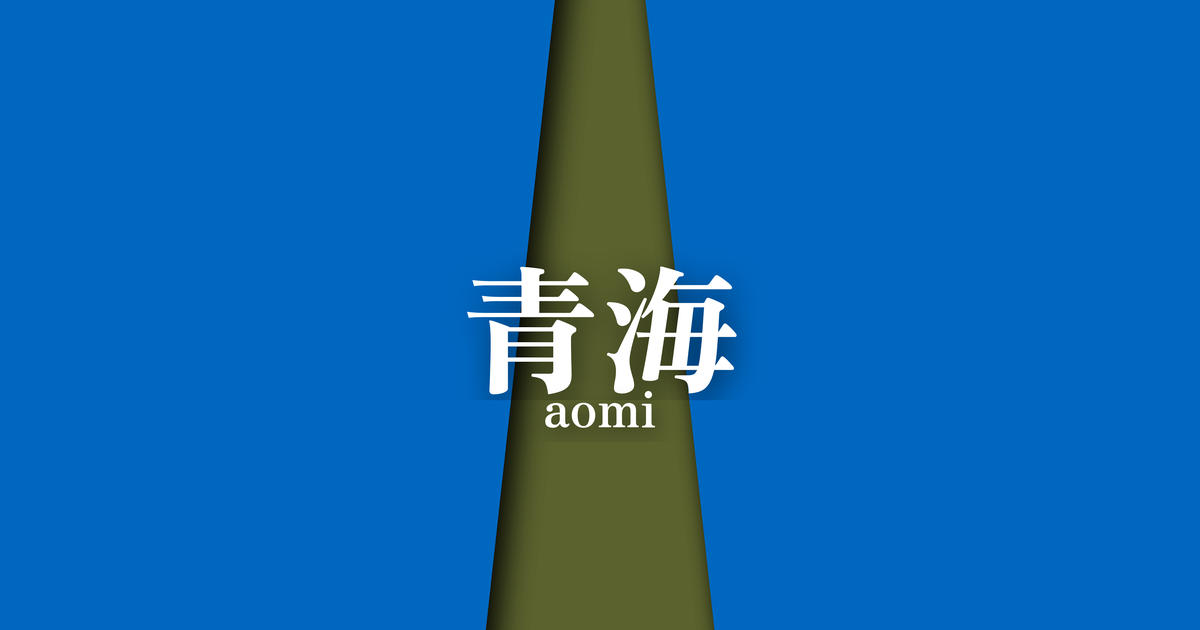
| Japanese color name | Aomi |
|---|---|
| reading | Aomi |
| season | 夏 |
| Color of the table | blue (ao) |
| Back color | sea pine (miru) |
What is Aomi? Origin and etymology
Aomi, as its name suggests, is a layered color combination that represents the vast and deep sea of summer. The vibrant "blue" on the outer layer evokes the clear summer sky and the shimmering surface of the sea reflecting the sunlight. On the other hand, the "miru" on the inner layer is the color of seaweed swaying in the ocean, conveying the depth of the sea and the breath of life. This combination of two colors is not merely a harmony of colors, but can be seen as an expression of a refined aesthetic sense that sought to capture the very scene of the summer sea that Heian aristocrats loved in a single garment.
Historical background of Aomi
In the Heian period court society, expressing the seasons through clothing was considered an important aspect of refinement. "Seigai" is said to have been worn by the nobility as a color scheme symbolizing the summer season. In particular, the cool and deep color scheme may have been intended to have a visual effect of alleviating the summer heat. It is also thought to be related to the costumes of "Seigaiha," a gagaku (court music) performance, and like the dance which depicts wave patterns, it is believed to have shared a cultural background of expressing the grandeur of the sea.
Related literature, waka poetry, and seasonal words
The color name "Aomi" (青海) does not appear directly in classical literature such as "The Tale of Genji" or "The Pillow Book." However, these works are rich in descriptions of summer seascapes and clothing using blue and green hues. For example, the seascape that Hikaru Genji gazes upon in the "Suma" chapter of "The Tale of Genji" speaks to the deep feelings that the aristocrats of that time had towards nature, especially the sea.
"Aomi" expresses that literary worldview and aesthetic sensibility through color, and its color scheme resonates with "sea" and "green leaves," which are seasonal words for summer.
Tell people that the fisherman's boat has set sail across the vast ocean, towards the eighty islands.
Seasons and Scenery of Aomi
"Aomi" is a color combination suitable for the summer season, especially the height of summer when the greenery deepens and the sunlight intensifies. The vibrant blue on the outside represents the summer sky and the sparkling surface of the sea bathed in sunlight. On the other hand, the seaweed green on the inside evokes the deep parts of the ocean and the seaweed growing on the rocks along the shore, conveying the richness and depth of the sea. This cool and deep color scheme has the effect of making you forget the summer heat and providing a visually refreshing effect, and it is imagined that it was worn at summer banquets and boating excursions.
Aomi's color scheme proposal
White training (#FFFFFF)
A combination that expresses the contrast between the blue sea and white sandy beach. It emphasizes a sense of coolness and freshness, completing the summer coastal landscape. In modern design, it gives a clean and minimalist impression.
Crimson (#B7282E)
A dramatic color scheme reminiscent of a sunset sinking into a deep blue sea. The near-complementary relationship between the colors enhances each other, creating a passionate and striking combination. Incorporating this into traditional Japanese clothing such as obi sashes or accessories will add extra splendor.
Dull color (#727171)
Combining it with muted colors reminiscent of coastal reefs creates a sense of calm and stability. It complements the vibrancy of the blue ocean, expressing the grandeur and solemnity of nature. It gives a sophisticated impression in interiors and fashion.
Practical Scenes
In traditional Japanese clothing, the "Seigai" color scheme, when incorporated into summer kimonos, obi sashes, and accessories, creates a cool and seasonal look. This color combination is particularly effective with yukata and summer visiting kimonos, giving a chic and sophisticated impression. In modern fashion, it can also be applied to everyday outfits, such as pairing a blue top with khaki (similar to seaweed green) bottoms.
In interior design, incorporating this color scheme into living room and bedroom fabrics creates a calming, seaside resort-like atmosphere. In web design and graphic design, this color combination balances reliability with a natural feel, making it versatile for a wide range of applications.