
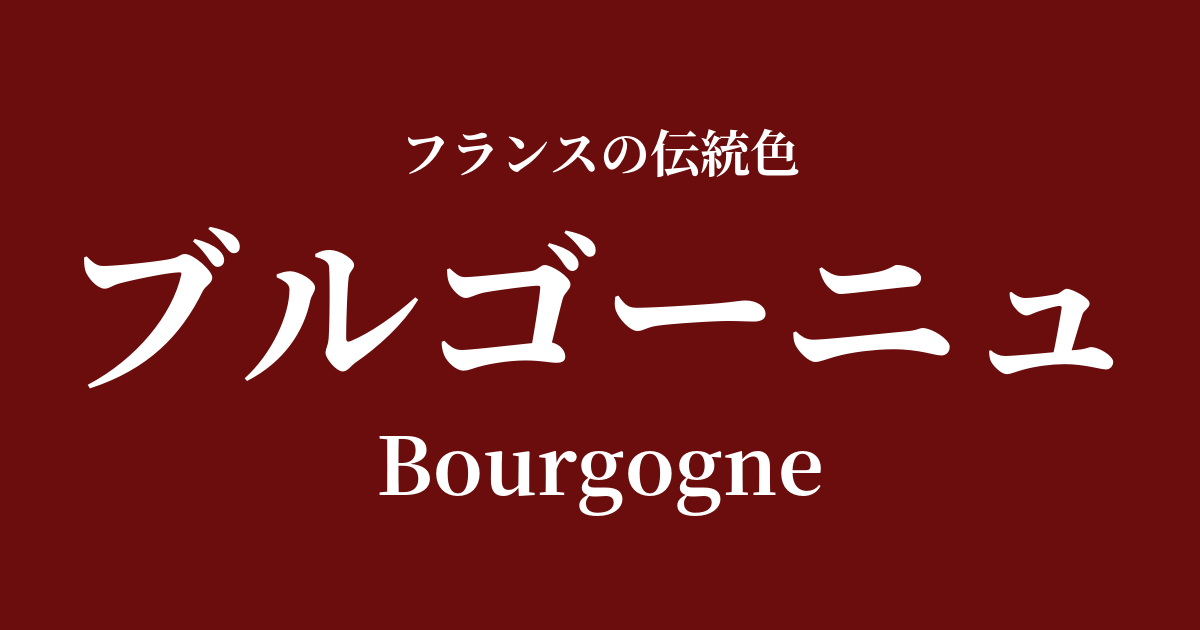
| French | Bourgogne |
|---|---|
| Katakana | Burgundy |
| HEX | #6B0D0D |
| RGB | 107, 13, 13 |
What is Burgundy? Origin and Etymology
Bourgogne is a color named after the Burgundy region, a world-renowned wine-producing area located in eastern France.
The direct origin of this color lies in the hue of the rich red wine made from Pinot Noir grapes grown in that region. The deep, slightly purplish, intense red color of aged Burgundy wine poured into a glass served as a perfect model for this color.
More than just a simple red, this color possesses a complexity and depth that seems to have been cultivated over many years, visually representing abundance, maturity, and refined taste.
Historical background of Burgundy
The name Burgundy is more than just a place name or the color of the wine; it evokes a glorious era in French history.
From the 14th to the 15th centuries, the Duchy of Burgundy, ruled by the House of Valois-Burgundy, boasted immense wealth and power, surpassing even that of the French royal family. Successive dukes, such as Philip the Bold and Charles the Bold, fostered a lavish court culture and generously patronized the arts.
In this era, deep red was a symbol of wealth and power, and clothing and tapestries dyed with expensive dyes were an important element in creating the splendor of the court. The color of Burgundy is a historical color that conveys to this day the glory of this duchy and the nobility of the people who lived there.
Burgundy in the world of art and fashion
The color of Burgundy has long held a strong presence in the worlds of art and fashion.
In art history, deep crimson garments reminiscent of this color frequently appear in 15th-century Flemish paintings influenced by the Duchy of Burgundy. The intricate textures and deep hues of the textiles depicted by painters such as Jan van Eyck convey the aesthetic sensibilities of the people of that time.
In the world of fashion, burgundy has established itself as a staple color, especially for the autumn and winter seasons. When combined with high-quality materials such as velvet, cashmere, and leather, its rich hue is further enhanced, adding a classic elegance and warmth to any outfit.
Color scheme preview
This is to check the readability of the text when this color is used as the background.
Burgundy color scheme proposal
Beige Rosé (#D9BDB2)
The richness of Burgundy is softened by the gentle, soft beige-rosé. It creates an elegant and feminine atmosphere, giving a classic and sophisticated impression.
Gris de Ran (#DCD7D1)
The combination of deep red and natural flaxen gray creates a calm and chic impression. It's recommended when you want to project a sophisticated and intellectual urban vibe.
Blue Roi (#234B7E)
The combination of deep red and deep blue, considered the colors of royalty, creates a highly dramatic and dignified impression. The colors complement each other, creating a bold and luxurious space.
Practical Scenes
Burgundy, with its rich and varied character, adds color to a wide range of occasions.
In interior design, incorporating velvet into accent walls in the living room, or into velvet sofas and curtains, brings a sense of depth and warmth to the space. Combining it with the gleam of metals such as gold and brass creates an even more classical and luxurious atmosphere.
In fashion, it's perfect for items that take center stage in an outfit, such as coats, knitwear, and dresses. Even using it as an accent color in accessories like bags, shoes, or scarves can instantly elevate an outfit and create an elegant impression.
In web design and graphic design, it is an effective key color for websites dealing with luxury brands, wine, or historical themes. It has the power to convey an image of reliability, tradition, and high quality to users.