
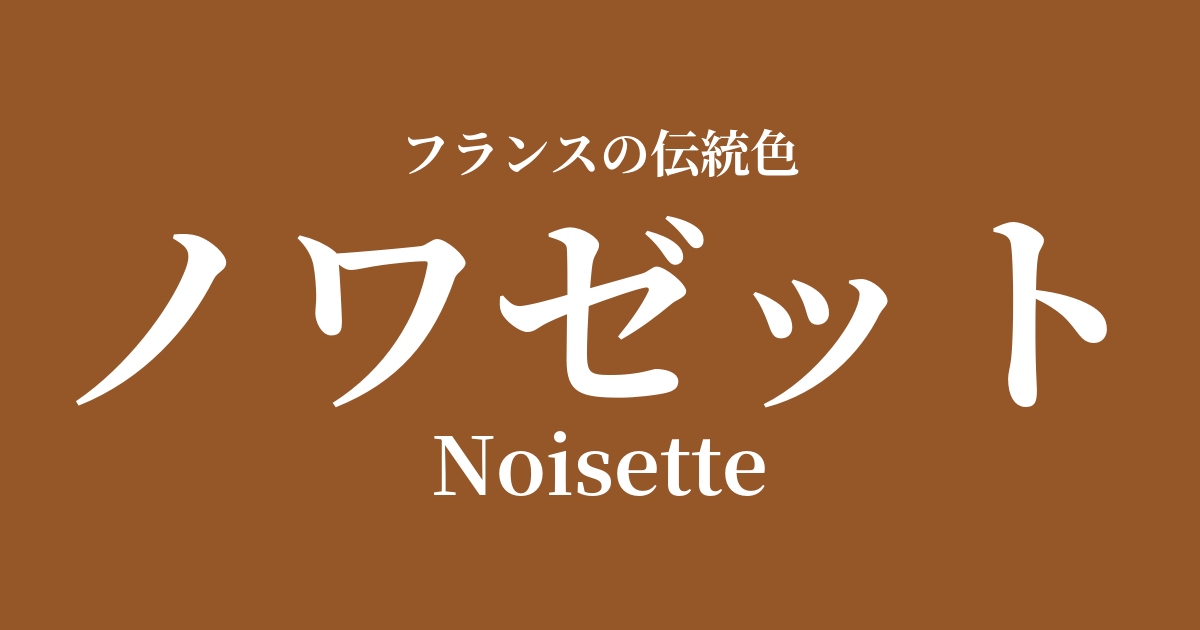
| French | Noisette |
|---|---|
| Katakana | Noisette |
| HEX | #955628 |
| RGB | 149, 86, 40 |
What is hazelnut? Origin and etymology
"Noisette" is a French word meaning "hazelnut." As the name suggests, it refers to a warm, reddish-brown color, like the shell of a perfectly ripe hazelnut.
This color vividly reflects the rich natural beauty of France, especially the autumn forests and the bounty of the harvest. The simple warmth and somewhat savory hue, reminiscent of nuts and berries, has brought tranquility and peace to people's lives. Because it's a color found in nature, it remains timeless and beloved across generations, unaffected by fleeting trends.
Historical background of hazelnut
While hazelnut is not a color directly associated with any particular royal family or historical event, it has been deeply rooted in the daily lives and aesthetic sensibilities of the French people.
Particularly from the 18th to the 19th centuries, as the opulent ornamentation of Rococo gave way to a rise in naturalism and a yearning for the countryside, earth tones like hazelnut became widely incorporated into people's lives. In contrast to the lavish court culture, this was an era in which value was found in the simple lives of the provinces and the unspoiled beauty of nature.
This color has been used in a variety of ways that are close to people's lives, such as in sturdy wooden furniture, warm ceramics, and dyes for everyday clothing, and has become one of the indispensable colors that color the landscape of French life.
Noisette in the world of art and fashion
In the world of art, we can find colors reminiscent of hazelnuts in the French countryside paintings of the 19th-century Barbizon School. These earth tones were essential in expressing human activities in harmony with nature, as seen in the land and peasant clothing depicted in Jean-François Millet's "The Gleaners."
In the world of fashion, hazelnut is a classic color that particularly symbolizes autumn and winter collections. It is loved for its use in warm materials such as tweed, wool, and cashmere, as well as in high-quality leather. Its subdued hue gives a classic and sophisticated impression, and it is often used in items that are meant to be cherished for a long time, such as trench coats and leather goods.
Color scheme preview
This is to check the readability of the text when this color is used as the background.
Noisette color scheme proposal
Ecru (#F5F5DC)
When combined with off-white ecru, it creates a natural and very gentle impression. The texture of the material is highlighted, creating a relaxed and comfortable space and look.
Blue Nuit (#0F2540)
The deep night blue of Bleu Nuit complements the warmth of Noisette, creating an intelligent and sophisticated contrast. It's recommended for creating a chic and modern urban impression.
Rouge Grenat (#8B2635)
When paired with Rouge Grenat, a garnet red, it creates a rich and deep color scheme reminiscent of autumn foliage and ripe fruit. It gives a classic, substantial, and passionate impression.
Practical Scenes
In interior design, hazelnut is an ideal color for creating a warm and cozy space. Incorporating it into flooring, wooden furniture, or leather sofas brings a sense of stability and tranquility to the entire room. Using this color as an accent wall also adds depth to the space and creates a sophisticated atmosphere.
In fashion, hazelnut is a key color for autumn and winter outfits. A coat or knit in hazelnut will instantly create an elegant look. It's also lovely to incorporate it into leather accessories such as bags, belts, and shoes. It pairs exceptionally well with basic colors like white, cream, and navy, expanding your styling options.
In web and graphic design, it's effective when you want to convey a sense of trust, tradition, and an organic image. Using it as a background or text color can give users a sense of security and build a calm, sophisticated brand image.