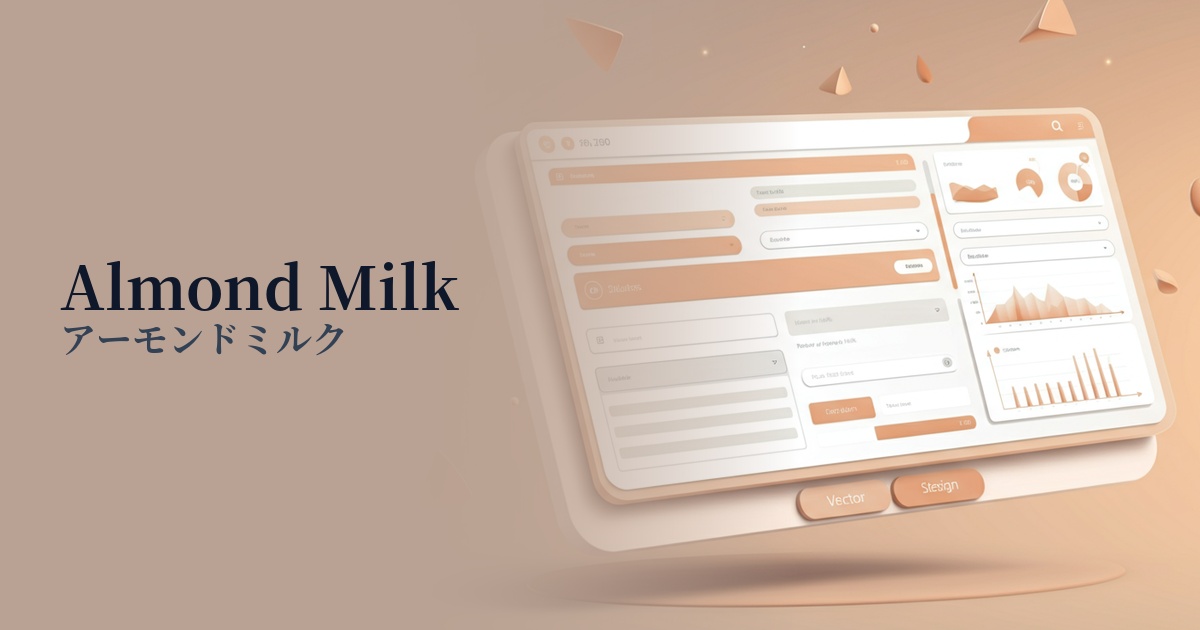
| English name | Almond Milk |
|---|---|
| Katakana | Almond milk |
| HEX | #F0EBE1 |
| RGB | 240, 235, 225 |
| Design Theme | Neutral & Minimal Background Colors |
Why is it a trend? (Background and reasons)
In recent years, web design has seen a trend towards warmer and softer off-whites instead of pure white (#FFFFFF). "Almond milk" is a prime example, gaining popularity against the backdrop of trends such as minimalism and "quiet luxury." It is attracting attention as a color that brings a natural and organic comfort to the digital space.
In today's information-saturated world, users are seeking a calmer and more focused visual experience. Neutral background colors, such as almond milk, reduce screen glare and lessen eye strain. This allows users to focus more easily on content, improving the overall user experience (UX) of the site.
This color is highly versatile and not limited to any particular industry. Its sophisticated feel can be leveraged in a wide range of fields, from luxury fashion brands to wellness and lifestyle e-commerce sites, and even B2B SaaS products that want to project a friendly image.
The psychological effects of design and UX
Almond milk is a slightly yellowish, warm off-white color. This warmth evokes positive emotions in users, such as a sense of security, comfort, and relaxation. It softens the coldness and tension of pure white, creating a friendly atmosphere.
While not flashy, its understated color scheme creates a sophisticated elegance and a sense of luxury. It perfectly complements the brand image of carefully crafted products and high-quality service, adding a thoughtful touch to the design.
As the name "Almond Milk" suggests, it gives off a natural, organic impression. For brands that focus on sustainability, health, and a natural lifestyle, this color helps to intuitively convey their worldview.
When used as a background color, it provides a softer contrast with text and images than pure white. This can reduce eye strain and improve readability. It is particularly effective on blogs and article pages where users view content for extended periods.
Visibility testing (UI component example)
Practical usage (best practices)
Using almond milk as the background for the entire page creates an immersive, minimalist design. Plenty of white space, combined with beautiful typography and high-quality photographs, results in a very sophisticated impression.
It can also be effectively used as a background color to separate sections within a website. For example, alternating sections featuring almond milk with sections using lighter white or pale gray creates a visual rhythm and depth.
It's an ideal base color for highlighting accent colors on call-to-action (CTA) buttons and important links. Placing highly saturated colors against a calm almond milk background effectively attracts user attention and encourages clicks.
This color is especially recommended for product detail pages on e-commerce sites for lifestyle products, cosmetics, and food. Using this color as the background for product photos enhances the product's appeal with a warm and high-quality atmosphere without detracting from it.
Recommended color scheme suggestions
Charcoal (#36454F)
Using a deep charcoal gray for text and UI elements ensures extremely high readability. The softness of almond milk combined with the stability of charcoal creates a modern design that is both reliable and sophisticated.
Sage Green (#B2AC88)
The calming sage green further enhances the organic feel of almond milk. This color scheme perfectly harmonizes with themes of nature, health, and wellness, creating a sense of peace and tranquility for the user.
Terracotta (#E2725B)
Adding warm terracotta accents gives designs an energetic and human touch. It's effective for CTA buttons and headings, and is ideal for creating a friendly and creative atmosphere.