
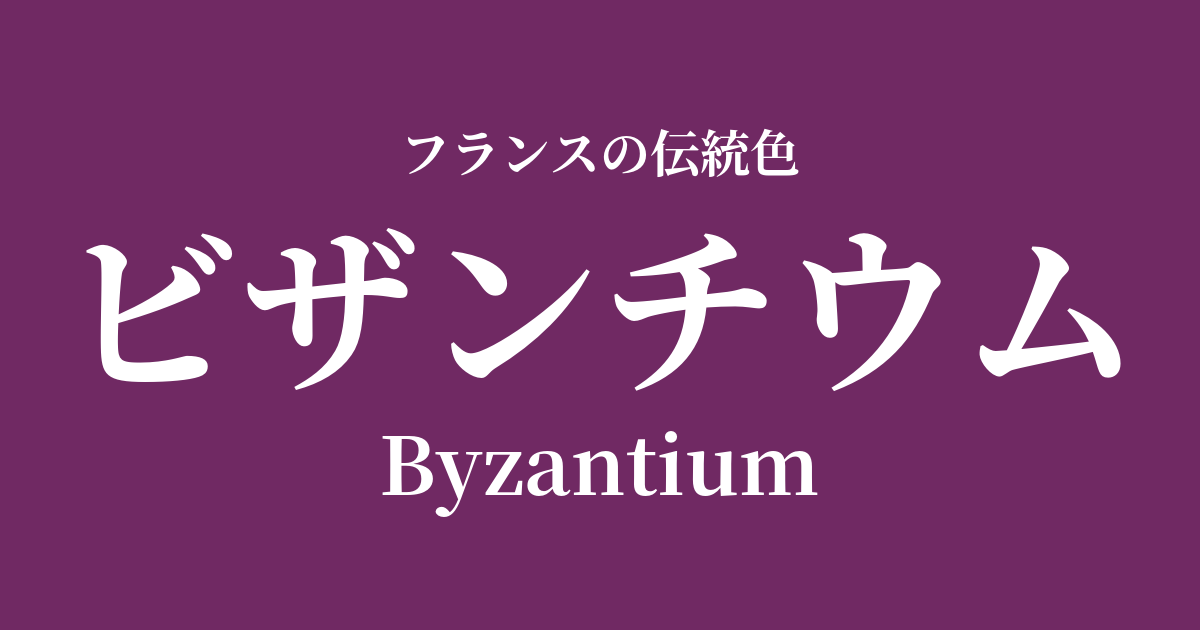
| French | Byzantium |
|---|---|
| Katakana | Byzantium |
| HEX | #702963 |
| RGB | 112, 41, 99 |
What is Byzantium? Origin and Etymology
The color name "Byzantium" originates from "Byzantium," the ancient name of Constantinople, the former capital of the Eastern Roman Empire (Byzantine Empire).
This color strongly evokes "Tyrian Purple," a color that has been considered a symbol of authority and wealth since ancient times. Tyrian Purple was an extremely expensive and rare dye, as only a very small amount could be extracted from a specific type of sea snail found in the Mediterranean Sea. Therefore, it was a special color that only a select few, such as Roman emperors, Byzantine emperors, or the highest-ranking clergy, were permitted to wear.
Therefore, the name "Byzantium" has been passed down through generations not merely as a color, but as a word symbolizing the splendor, mystery, and absolute authority of the ancient empire itself.
Historical background of Byzantium
The Byzantine Empire had a profound influence on the history and culture of medieval France. In particular, through the Crusades and other campaigns, Byzantine arts and culture, such as magnificent silk textiles, gold and silver work, and mosaics, were brought to Western Europe and captivated the royalty and nobility of France.
Among them, the noble purple, the color of the emperor, was an object of admiration for the French royal family and nobility. The blue (azure) used in the coat of arms of the French royal family is also considered a sacred color symbolizing the Virgin Mary, and its origin is said to be deeply connected to the color of the sacred garments depicted in Byzantine art.
Later, in the early 19th century, Napoleon Bonaparte, deeply inspired by the ancient Roman emperors, frequently used purple in official settings, including his coronation cloak. This was a clever visual strategy to link the authority of the Roman Empire, inherited by the Byzantine Empire, with the legitimacy of the First French Empire that he himself had established.
Byzantium in the world of art and fashion
In Byzantine art, this color played an essential role in expressing sanctity and authority. It was frequently used in mosaics and icons depicting Christ, the Virgin Mary, and emperors, a prime example being the magnificent mosaic of Emperor Justinian and Empress Theodora adorning the Basilica of San Vitale in Ravenna, Italy.
In late 19th-century Europe, Symbolist and Art Nouveau artists rediscovered this mystical color. Painters like Gustave Moreau effectively used deep, byzantine purples to create dreamy and sensual worlds when depicting mythological and biblical scenes.
In the world of fashion, early 20th-century designer Paul Poiret presented luxurious dresses incorporating Orientalism and Byzantine styles, and this noble purple color, exuding an exotic and sophisticated charm, swept the fashion world at the time.
To the gentlemen and ladies of Byzantium / Sing about the past, the passing, and the coming.
Color scheme preview
This is to check the readability of the text when this color is used as the background.
Byzantine color scheme proposal
All (Or) (#FFD700)
This luxurious and majestic combination evokes the mosaics of the Byzantine Empire. It creates a dignified space and design, imbued with a sense of historical weight and elegance.
Ivoire (#FFFFF0)
The noble strength of Byzantium is gently embraced by the soft white of ivory. It gives an elegant, sophisticated, calm, and refined impression.
Vert émeraude (#50C878)
This mysterious and exotic color scheme is like a combination of gemstones. The colors vividly complement each other, creating a unique and dramatic impression.
Practical Scenes
In interior design, incorporating velvet into accent walls, sofas, cushions, and heavy curtains brings a dramatic depth and sense of luxury to a space. Combining it with gold or brass lighting and accessories further enhances the classic and sophisticated atmosphere.
In the world of fashion, using this color in statement pieces like dresses and coats can create a mysterious and noble impression. It pairs particularly well with glossy materials such as silk, satin, and velvet. Even incorporating it as an accent color in accessories like scarves, bags, and jewelry can elevate the entire outfit.
In web and graphic design, it is effective for websites with themes related to luxury brands, history, art, and spirituality. Using it as a main or accent color can visually convey authority, trustworthiness, and expertise.