
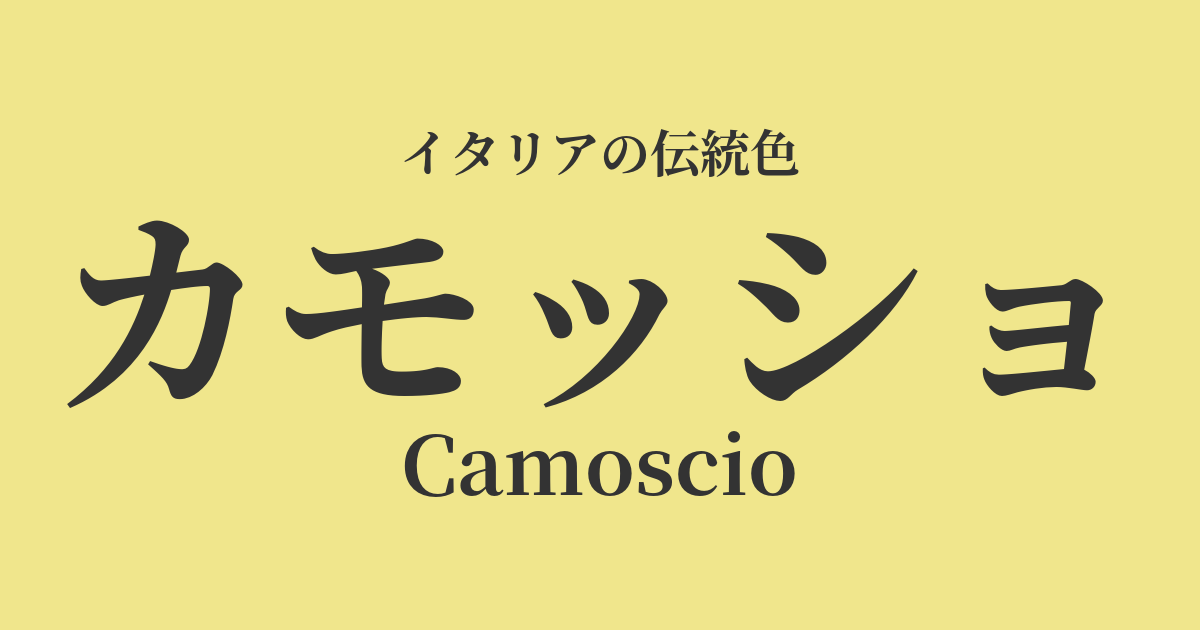
| Italian original name | Camoscio |
|---|---|
| Japanese notation | Kamosho |
| HEX | #F0E68C |
| RGB | 240, 230, 140 |
What is Kamossho? Origin and etymology
Camoscio is an Italian word meaning "chamois," the animal. As the name suggests, this color is derived from the color of the tanned leather of chamois, the type of animal that inhabits the mountainous regions of Europe, especially the Alps.
This leather is extremely soft and supple, and has been used for gloves, clothing, and bookbinding. Its natural, warm yellowish-brown color has become established as a color name.
Camossho is a deep color that combines the simplicity inspired by animals in nature with the refined image of high-end leather goods.
Historical background of Kamosho
The use of chamois leather has been practiced since ancient times, but especially since the Renaissance, it has become highly valued as a luxury item due to its rarity and high quality.
In city-states like Florence and Venice, the leather industry flourished, and skilled craftsmen produced high-quality Camoscio leather goods. At the time, wearing Camoscio-colored gloves or jackets was a sign of wealth and refined taste, and a kind of status symbol.
Even after the Age of Discovery brought new dyes to Europe, the calm, natural colors of Camosso continued to be loved by people.
Camoscio in Italian Culture and Art
In Renaissance painting, warm yellowish-brown colors like camoscio were effectively used to depict the clothing of figures, interior furnishings, and backgrounds. Venetian painters, in particular, skillfully used these colors within their rich color palettes to express nuances of light and shadow. As a pigment, yellow ochre (Ocra gialla), made from natural earth, was used to produce a similar hue.
Furthermore, the color Camoscio is an indispensable element in traditional Italian leather goods, particularly gloves, bags, shoes, and luxurious bookbindings (legatura) found in Florence's leather markets.
Even in the modern fashion world, camosco remains a widely popular staple color for suede. Its soft hue creates an elegant and relaxed style, inspiring many designers.
Color scheme preview
This is to check the readability of the text when this color is used as the background.
Camosho's color scheme proposal
Testa di Moro (#5A3A29)
This deep, calming color combination evokes the earth and trees. The warm and stable color scheme creates a classic and dignified impression. Recommended for interior design and autumn/winter fashion.
Azzurro (#007FFF)
This color scheme evokes the sun-drenched landscapes and clear skies of Italy. It creates a bright and open atmosphere, giving a positive and refreshing impression. It's perfect for websites and spring/summer outfits.
Verde Maraschino (#005949)
This natural and deep color scheme evokes the forests and earth of the Alps. It creates a sophisticated yet relaxed atmosphere, giving an intellectual impression. It's also suitable for study interiors.
Practical Scenes
In the world of fashion, camouflage particularly shines in items made from napped leathers such as suede and nubuck. Incorporating it into jackets, loafers, and bags adds warmth and a soft texture to the entire outfit. It also pairs exceptionally well with denim, creating a casual yet sophisticated style.
In interior design, using it on large areas such as wallpaper, curtains, and sofas brightens the entire space and creates a comfortable atmosphere. It harmonizes naturally with wooden furniture and houseplants, helping to create a natural and calming space.
In web and graphic design, using it as a background or accent color creates a friendly and organic impression. It's an effective color for conveying trustworthiness and reassurance on websites of lifestyle brands or companies that deal with natural materials.