
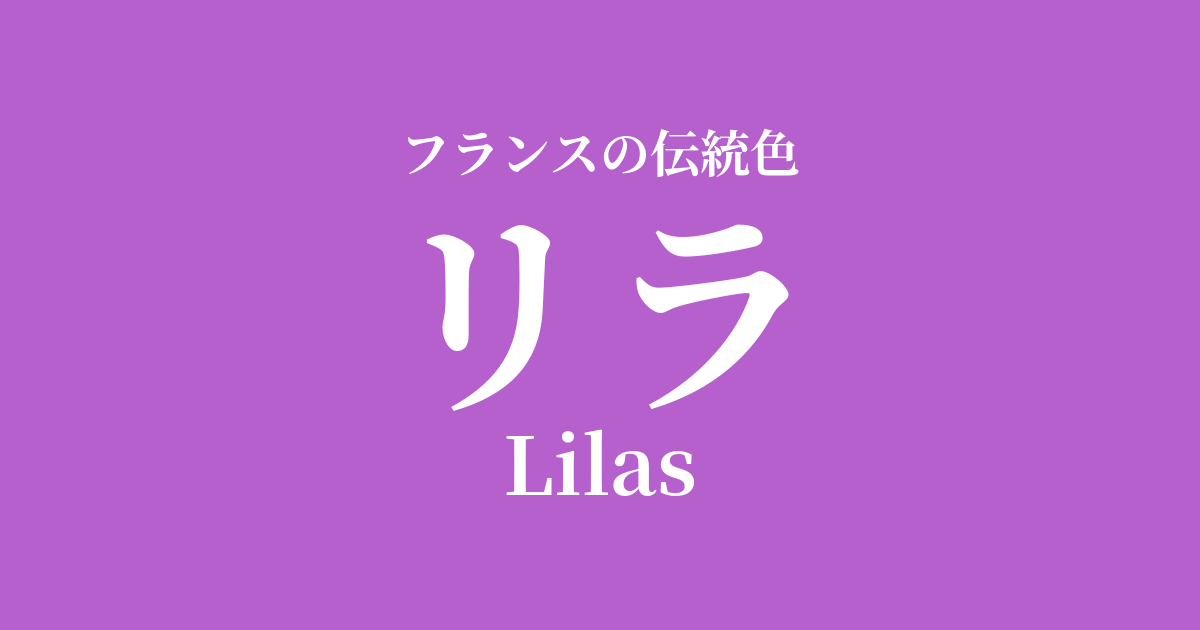
| French | Liwo |
|---|---|
| Katakana | Lilac |
| HEX | #B660CD |
| RGB | 182, 96, 205 |
What is a lira? Origin and etymology
"Lilas" is a French word meaning lilac flower. As the name suggests, it refers to the beautiful pale purple color of the lilac, which heralds the arrival of spring and seems to exude a sweet and gentle fragrance.
Its etymology can be traced back to the Persian word "lilak," meaning a bluish color, and it is said to have spread to Spain and France around the 16th century via the Arabic word "laylak."
In France, the lilac flower has romantic meanings such as "the thrill of first love," "the joy of youth," and "memories." Purple lilacs, in particular, are said to symbolize "the budding of love," and their delicate hues have made them a cherished color that resonates with people's hearts.
Historical background of the lira
Lilacs became widely loved in Europe, especially in France, after being introduced from the Ottoman Empire in the 16th century. Initially, they adorned the gardens of the nobility as a rare plant.
During the Rococo period of the 18th century, the lilac was known as one of Marie Antoinette's favorite flowers, and its elegant color and form became a symbol of the refined aesthetic sense of court culture. It is said that the color of the lilac was also favored in the dresses and interior decorations of the time.
During the Belle Époque period from the late 19th to the early 20th century, Art Nouveau artists incorporated the organic forms of plants into their designs. Lilac flowers, in particular, frequently appeared as motifs in posters, jewelry, and glass art, permeating people's lives as a modern and elegant color that embodied the spirit of the era.
Lilacs in the world of art and fashion
The color and blossoms of the lilac have inspired many artists. Impressionist painters, in particular, who pursued the interplay of light and color, favored depicting lilacs in full bloom in spring gardens. Édouard Manet's "Lilac Branches" and Claude Monet's garden landscapes capture the vibrant beauty of lilacs shining in the sunlight.
In the world of fashion, lilac also emerged as a color symbolizing the era. Particularly in the late 19th century, soft and elegant pastel colors were in vogue, and lilac-colored dresses, hats, and parasols elegantly adorned the attire of ladies. Its delicate hue was the perfect color to express the ideal of femininity that was considered desirable at the time.
Furthermore, in traditional textiles such as the silk fabrics of Lyon, France, the lilac color has been woven into elegant floral designs, and its beauty has been passed down to the present day.
May, the month of love, marries voice and fragrance, lilac and rose.
Color scheme preview
This is to check the readability of the text when this color is used as the background.
Lilac color scheme proposal
Rose Pompadour (#EDADC7)
The elegant lilac color, combined with the sweet and vibrant rose hue, creates a romantic and refined Rococo-inspired impression. It's perfect for creating feminine spaces and fashion.
Celadon (#88B09A)
The refreshing celadon (blue-green) color, reminiscent of young spring leaves, balances the sweetness of the lilac. It's a natural and comforting color scheme, evoking the feeling of a French garden.
Gris de l'Ain (#DED7C8)
The muted, flaxen-like beige-gray gently envelops the lilac's inherent vibrancy. It gives off a chic and elegant impression, conveying a sophisticated and mature calmness.
Practical Scenes
In interior design, incorporating lilac into wallpaper, curtains, cushions, and other fabrics brings elegance and a tranquil atmosphere to a space. Adding it as an accent to a room based on white or light gray creates a sophisticated French chic style.
In fashion, this color is perfect for blouses and dresses in spring and summer. It brightens the complexion and enhances a soft, feminine look. Even subtly incorporating it through accessories such as scarves, bags, and jewelry can add a touch of elegant glamour to your outfit.
In web and graphic design, this color is a perfect match for themes related to beauty, weddings, and lifestyle. Using it as a main color creates an elegant and gentle aesthetic, giving viewers a sense of reassurance and comfort.