
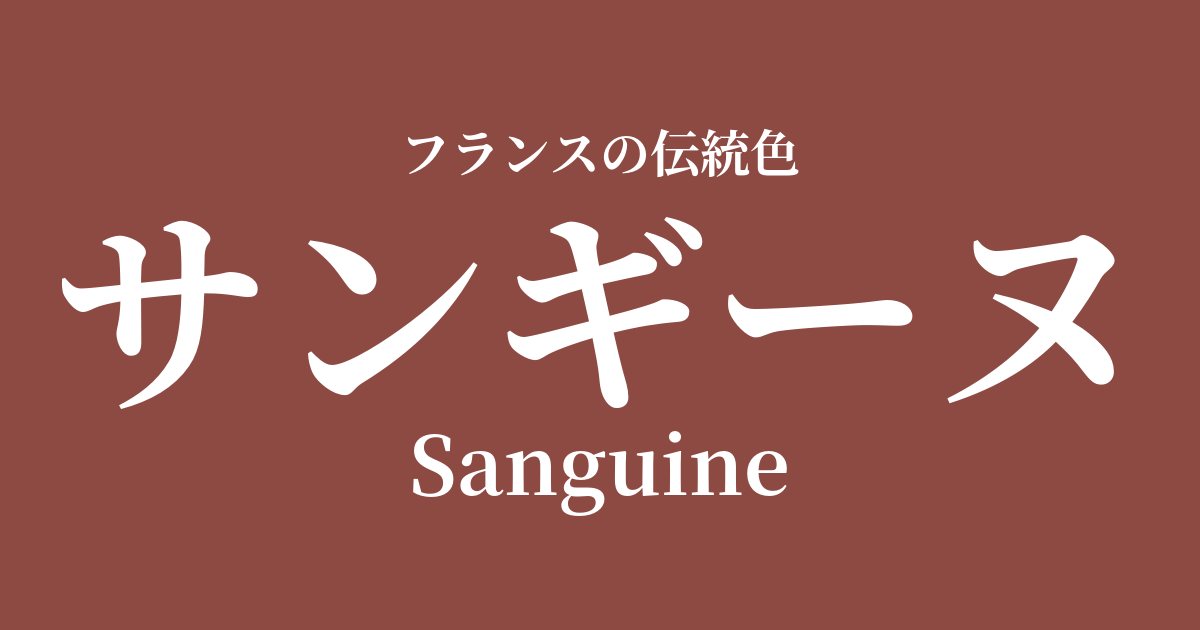
| French | Sanguine |
|---|---|
| Katakana | Sanguine |
| HEX | #8d4a43 |
| RGB | 141, 74, 67 |
What is Sanguine? Origin and Etymology
Sanguine is a French adjective meaning "healthy-looking" or "optimistic," but as a color name, it originates from the Latin word "sanguis" (blood).
As the name suggests, this color refers to a reddish-brown, or reddish-brown, color reminiscent of blood. This color has long been known as a pigment or art material made from natural hematite (a mineral whose main component is iron oxide).
In particular, the reddish-brown chalk and conte crayons used for sketching are called "sanguine" and are widely popular in the art world. Their warm hues have the power to give life and warmth to the subjects they depict.
Historical background of Sanguine
Sanguine gained particular attention as an art material during the Renaissance. The Italian master Leonardo da Vinci is famous for his extensive use of sanguine in anatomical drawings and figure studies. The warm, soft texture of skin and the shading of muscles he depicted made the most of the characteristics of this material.
In France during the 17th and 18th centuries, the popularity of sanguine reached its peak during the Rococo period. Painters such as Antoine Watteau, François Boucher, and Jean-Honoré Fragonard left behind numerous drawings of elegant and sensual figures and mythological scenes in the sanguine style.
During this period, a technique called "trois crayons" (three-colored chalk), which involved using black chalk and white chalk in combination, emerged, adding rich depth to the expression of drawings. Sanguine was no longer merely a tool for preliminary sketches; it established itself as a recognized work of art in its own right.
Sanguine in the world of art and fashion
In the field of art, sanguine is practically synonymous with drawing. Especially in portraiture, its warm tones were considered ideal for expressing skin tone and vitality. From the Renaissance to the Rococo and into the modern era, many painters used sanguine for their studies and sketches in their studios, honing their skills in this medium.
In the world of fashion and textiles, sanguine is considered an earth tone reminiscent of soil or terracotta, conveying a sense of calm and sophistication. It is often used as a warm accent color, especially in autumn collections. When combined with lustrous materials such as silk or velvet, its deep hue is further enhanced, creating an elegant atmosphere.
Color scheme preview
This is to check the readability of the text when this color is used as the background.
Sanguine's color scheme proposal
Gris de l'Ain (#d8c8b8)
The warm reddish-brown of Sanguine and the gentle, natural gray of Gris de l'Ain are a sophisticated combination that complements each other beautifully. It creates an intelligent, calm, and peaceful atmosphere.
Veil Olive (#58543a)
Sanguine, reminiscent of the earth, and Vert Olive, a deep shade evoking plants, are a very compatible combination of earth tones. They create a natural, stable, and comfortable impression.
Blue Roi (#00538f)
The warmth of Sanguine and the vibrant, noble blue of Bleu Roi create a beautiful contrast. It exudes a classic yet modern, glamorous, and impressive atmosphere.
Practical Scenes
In interior design, sanguine is an ideal accent color that brings warmth and depth to a space. Incorporating it into one wall or adding it through textiles like cushions and rugs creates a calm and cozy atmosphere throughout the room. It also pairs exceptionally well with wooden furniture and houseplants.
In fashion, sanguine is a color that gives off a sophisticated and mature impression. Incorporating it into key items such as coats, jackets, and knitwear creates an elegant and intellectual style. Using it as an accent color in accessories like bags and shoes adds warmth and a sense of the season to your outfit.
In web and graphic design, sanguine is effective when you want to convey a sense of trust, tradition, and the warmth of handcrafted work. When used on museum websites, historical brands, or organic product packaging, it can express calmness and high quality.