
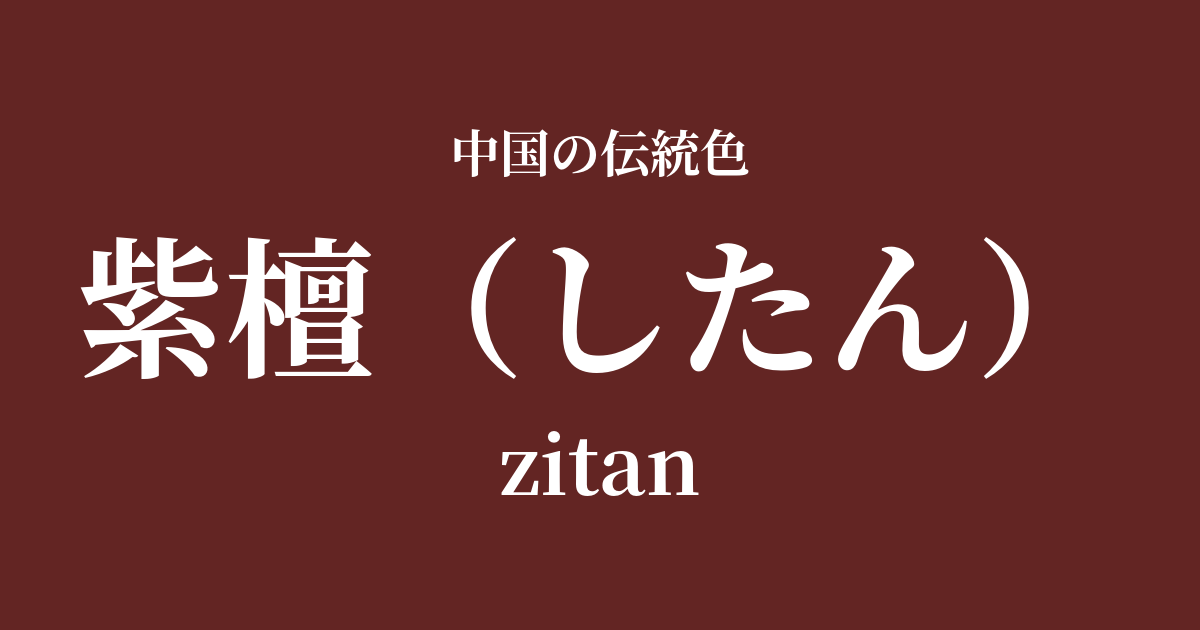
| Color name | rosewood |
|---|---|
| reading | Shitan |
| pinyin | zitan |
| HEX | #632523 |
| RGB | 99, 37, 35 |
What is rosewood? Origin and etymology
Rosewood (shitan) is a deep, calm reddish-brown color derived from the heartwood of the rosewood tree, a legume native to tropical Asia.
This wood is extremely hard, has a dense grain, and when carefully polished, it develops a smooth and beautiful luster. Due to its rarity and beauty, it has long been known as a top-quality wood.
Although the kanji character for "purple" is used, it does not refer to a vibrant purple, but rather a reddish-brown. In ancient China, a noble, reddish hue was sometimes described as "purple," and it is said that this wood was named "purple sandalwood" because of its dignified appearance.
Historical background of rosewood
The value of rosewood particularly increased during the Ming and Qing dynasties. During this period, rosewood became one of the most prized woods in the imperial court and was widely used as a material for the finest furniture, such as thrones, desks, chairs, and shelves used by the emperor.
Many of the furnishings still existing in Beijing's Forbidden City (Palace Museum) are made of this rosewood, and their exquisite craftsmanship and colors convey to this day the immense power and refined aesthetic sense of the imperial family at that time.
Therefore, the color of rosewood is not merely a beautiful reddish-brown, but is deeply etched in Chinese history as a color that symbolizes wealth, authority, and unwavering dignity.
Rosewood in Chinese Art and Crafts
The color of rosewood truly shines in Chinese art, especially in the field of crafts. Furniture, Buddhist statues, and stationery (such as brush holders and inkstone boxes) made from rosewood itself are highly valued as works of art that make the most of the material's deep color and beautiful grain.
In the world of ceramics, techniques such as "wood grain glaze," which uses glaze to represent the grain of rosewood, and "soy sauce glaze," which has a similar depth of color, can be seen. These techniques were born from the inquisitive spirit of craftsmen who sought to reproduce the beauty of natural materials using other materials.
In the realm of clothing, while not a direct dye, the dignified and refined image of rosewood is reminiscent of the majestic colors of formal attire worn by high-ranking officials and nobles. This color, which conveys calmness and dignity, was likely considered a suitable choice for adorning the attire of individuals of special status.
Color scheme preview
This is to check the readability of the text when this color is used as the background.
Rosewood color scheme proposal
Tsukihaku (#EAF4FC)
By combining the substantial feel of rosewood with the pure, bright moon-white color, this piece maintains a dignified elegance while creating a light and refined impression. It is ideal for traditional studies or modern Japanese-style spaces.
Yellow (#FFD700)
The combination of dignified rosewood and radiant oreskin creates a magnificent atmosphere reminiscent of court culture. It is recommended for special spaces and designs that aim to exude luxury.
Matsuka (#BCEE68)
By combining the deep woody color of rosewood with the vibrant color of pine blossoms, it creates a natural and tranquil impression where vitality and serenity coexist. It creates a comfortable and relaxing space.
Practical Scenes
In interior design, rosewood brings elegance and tranquility to a space. Incorporating it into flooring, fixtures, or a substantial dining table instantly creates a sense of luxury. Even using this color as an accent in cushions or art frames can give the entire space a refined look.
In fashion, rosewood-colored coats, leather jackets, leather bags, and shoes exude a classic and intellectual aura. They are especially prominent in autumn and winter outfits, and pairing them with gold accessories creates an even more elegant look.
In web and graphic design, using this color for backgrounds and footers gives the entire site a sense of stability and trustworthiness. It is a very effective color for expressing the worldview of luxury brands or websites dealing with historical themes.