
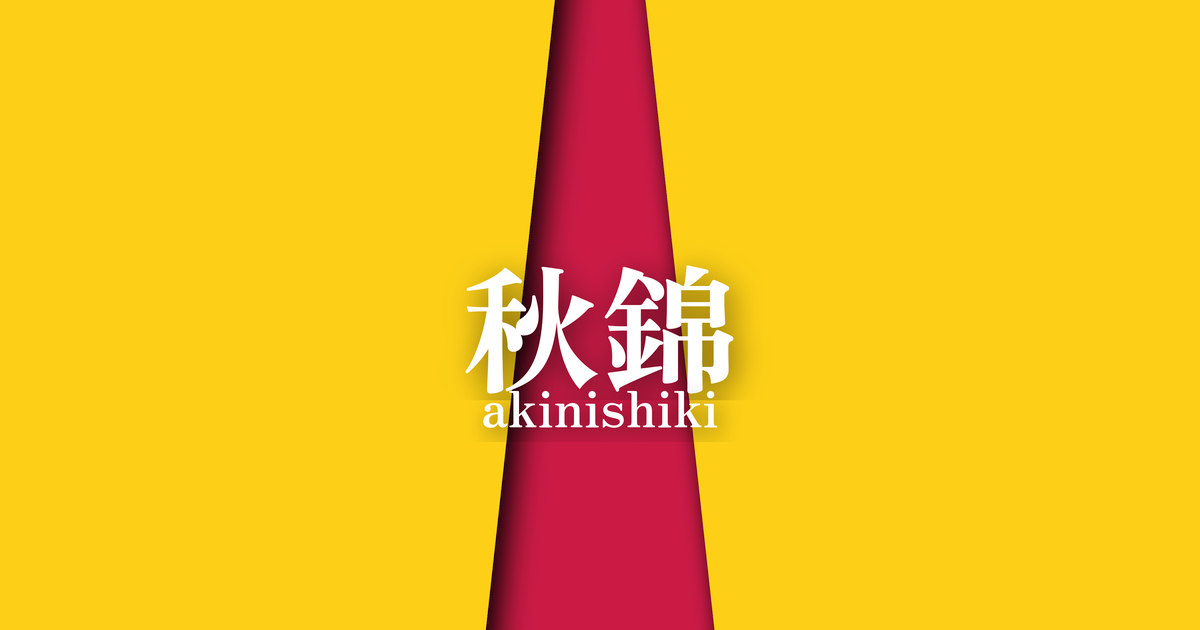
| Japanese color name | Autumn nishiki |
|---|---|
| reading | akinishiki |
| season | 秋 |
| Color of the table | Gold (kin) |
| Back color | Beni (beni) |
What is Akinishiki? Origin and etymology
Akinishiki is a color combination for layered kimonos, named after the scene of autumn mountains vividly colored with red leaves, likened to a magnificent brocade fabric. "Nishiki" refers to a high-quality silk fabric woven with various colored threads to create patterns, and has long been used as a metaphor for beauty. In this color combination, the gold on the outside is thought to symbolize the yellow leaves shining in the sunlight, while the red on the inside symbolizes the deeply colored red leaves, expressing the resplendent beauty of autumn nature on clothing.
The color scheme encapsulates the abundance and splendor of autumn, evoking in the viewer a sense of the changing seasons and a celebration of nature. It can be seen as one manifestation of the aesthetic sensibility of the Heian period aristocrats, who keenly perceived the beauty of nature and sought to incorporate it into their lives. Autumn Brocade is not merely a combination of colors, but a color scheme that embodies the very culture of appreciating Japan's rich four seasons.
Historical background of Akinishiki
During the Heian period, a culture of changing clothing colors to match the changing seasons became sophisticated in aristocratic society. The harmonious interplay of colors between the outer and inner layers of clothing, or between the colors of layered garments, is a uniquely Japanese aesthetic of color that expresses a sense of the seasons. It was an important element demonstrating an individual's refinement and sensibility, and was indispensable in court life.
The autumn brocade color scheme is thought to have been worn during the autumn season, likely for elegant occasions such as maple leaf viewing and moon-viewing parties. Although specific records of its use are limited, it is believed to have been a favored color combination among the nobility, linked to a literary tradition celebrating the beauty of autumn. The colors, which seem to directly reflect natural landscapes, convey to us the refined aesthetic sensibilities of the people of that time.
Related literature, waka poetry, and seasonal words
The term "autumn brocade" is frequently used in classical literature, particularly in waka poetry, to praise the beauty of autumn foliage. For example, the Kokin Wakashū (Collection of Ancient and Modern Japanese Poems) contains the poem, "On the Tatsuta River, like brocade, in the month of Kanna, the shigure rain is woven as warp and weft," comparing the surface of the river, covered with fallen autumn leaves, to brocade woven with the shigure rain as warp and weft. Thus, likening autumn leaves to brocade has been a literary tradition since the Heian period.
The "Autumn Brocade" color scheme, used in layered garments, is deeply intertwined with this literary background. By using this color combination in clothing, people could wear the autumn scenery described in poetry and share its beauty—a highly sophisticated cultural practice. While there aren't many stories in which this color scheme directly appears, it's an important concept for understanding the aesthetic sensibilities shared by the aristocracy of that time.
This time, without even having time to prepare offerings, I pray at Mount Tamukeyama, a tapestry of autumn leaves, as the gods will.
Autumn colors and scenery
As its name suggests, Aki-nishiki (Autumn Brocade) is a color scheme befitting autumn, especially late autumn when the leaves are at their most beautiful. It expresses the feeling of the season from 9th to 10th in the old lunar calendar, which corresponds to late October to early December in modern times. The gold on the front is reminiscent of the golden yellow leaves of ginkgo and maple trees shining in the sunlight, while the crimson on the back evokes the deep, fiery color of maple leaves.
This vibrant contrast symbolizes the richness and splendor of the autumn mountains. Wearing it at occasions that celebrate the autumn season, such as leaf-viewing or moon-viewing parties, will give you a sense of oneness with nature. The color scheme, which stands out especially in the crisp autumn air, is resplendent yet somehow melancholic, expressing the deepening of the season.
Autumn Brocade Color Scheme Proposal
Dark purple (#4D2E3C)
The deep purple, reminiscent of the autumn night sky and the deep shadows of the mountains, complements the splendor of the gold and red in the autumn brocade, creating a dignified impression. Considered a noble color in the Heian period, when combined with the autumn brocade, it can create an even more elegant atmosphere.
Tokiwa-iro (#1B813E)
The colors of evergreen trees such as pine and cedar remain amidst the autumn foliage. By adding the deep green of evergreen trees to the warm colors of autumn brocade, a harmonious color scheme reminiscent of a natural landscape is created. It is a combination that brings tranquility to vibrant colors.
White tea (#B18B67)
The off-white tea, reminiscent of withered fields and dry earth, enhances the vibrancy of the autumn colors while creating a calm and serene overall tone. It expresses the melancholy and tranquility of autumn, resulting in a sophisticated and mature color scheme.
Practical Scenes
In Heian period attire, this autumn brocade color scheme is thought to have been used for women's uchiki (a type of kimono). It was chosen to express a sense of the season at autumn ceremonies and private banquets. In modern Japanese clothing, incorporating this color scheme into kimonos, obi (sashes), and accessories such as obiage (sash ties) and obijime (sash cords) can create a gorgeous, autumnal look.
Even in contemporary design, the autumn color scheme offers captivating inspiration. Using it in Japanese-style websites, advertisements, and product packaging designs can effectively convey traditional Japanese beauty and a sense of the season. In interior design, incorporating it into cushion covers, tapestries, and table runners brings the colors and warmth of autumn to any space.