
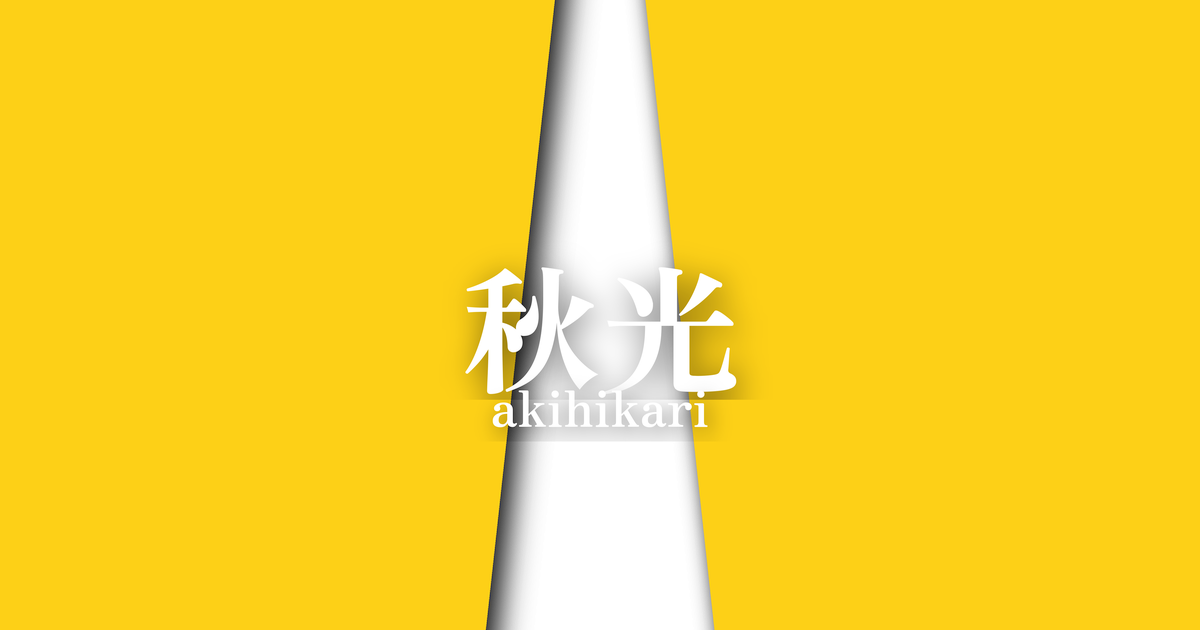
| Japanese color name | Akimitsu |
|---|---|
| reading | akihikari |
| season | 秋 |
| Color of the table | Gold (kin) |
| Back color | White (shiro) |
What is Akimitsu? Origin and etymology
The name "Akihikari" literally means "autumn light," and it is a combination of colors that expresses the sunlight shining on golden rice stalks and autumn leaves under a clear autumn sky. The gold on the outside is thought to symbolize the ripe rice stalks and colorful leaves of the trees, while the white on the inside is thought to symbolize the clouds floating in the autumn sky and the pure light itself. It is a very poetic name that does not directly use specific plants as motifs, but rather captures the impression of the light that the season brings.
Historical background of Akimitsu
In the aristocratic society of the Heian period, expressing the subtle changes of the seasons through the color scheme of clothing, or "kasane no irome" (layered color combinations), was considered an important aesthetic. "Shūkō" (autumn light) is one such example, and it is thought to have been used to incorporate the feeling of autumn into clothing. It is presumed to have been worn in various situations, such as court ceremonies and private banquets, but there are not many detailed documents that specifically record its use.
However, because it uses gold, which is considered a noble color, it may have been particularly favored for special occasions or by people of high status.
Related literature, waka poetry, and seasonal words
Currently, no famous classical literary works such as The Tale of Genji or The Pillow Book have been found to directly use the color name "Akimitsu" (autumn light). However, these literary works contain many waka poems and descriptions of scenery that celebrate the beauty of autumn light, golden rice fields, and autumn leaves. For example, a waka poem by Emperor Tenji, which is included in the Hyakunin Isshu (One Hundred Poets, One Poem Each), describes an autumn rural landscape and resonates deeply with the worldview expressed by "Akimitsu."
It is said that Heian-era aristocrats enjoyed coordinating the colors of their clothing, drawing on this literary sensibility.
In the autumn rice fields, the thatched roof of my temporary hut is rough, and my sleeves are wet with dew.
Autumn light and scenery
"Akihikari" (秋光), as its name suggests, is a color combination worn in autumn. It is considered particularly suitable for the period from mid-autumn, when the rice stalks turn golden, to late autumn, when the autumn leaves are at their peak. It evokes the scene of sunlight shining in the clear air, dyeing the fields and mountains golden. This color scheme is thought to have been used for ceremonies celebrating the autumn harvest and for attire worn during outings such as viewing the autumn foliage.
The combination of warm gold and pure white skillfully expresses the calm and rich atmosphere of autumn.
Autumn Light's Color Scheme Proposal
Withered leaf color (#915E33)
A reddish-brown color reminiscent of fallen autumn leaves. When combined with the golden "Autumn Light," it richly expresses the deepening autumn scenery. The color scheme is cohesive with similar tones, giving a calm and elegant impression.
Dark purple (#493759)
The noble purple was a color frequently used in Heian period attire. When combined with gold, it creates a dignified, elegant, and refined impression. This color scheme evokes images of long autumn nights and chrysanthemum flowers.
White-green (#D6E9D6)
This pale green color evokes the lingering green of autumn plants and evergreen trees. When combined with the golden "Autumn Light," it adds a refreshing and bright impression, conveying a sense of vitality remaining in the autumn landscape.
Practical Scenes
In the Heian period, gold was thought to have been used in women's uchiki (outer robes) and men's clothing. Because gold was an expensive color, it is presumed that it was mainly worn on celebratory occasions. In modern times, incorporating the "autumn light" color combination into kimono and obi sash designs can create a dignified and seasonally appropriate look.
In interior design, using this color scheme for cushion covers, table runners, or parts of wallpaper brings the warmth and brightness of autumn to a space. In web and graphic design, using it as a background or accent color can effectively express richness, luxury, and a Japanese aesthetic.