
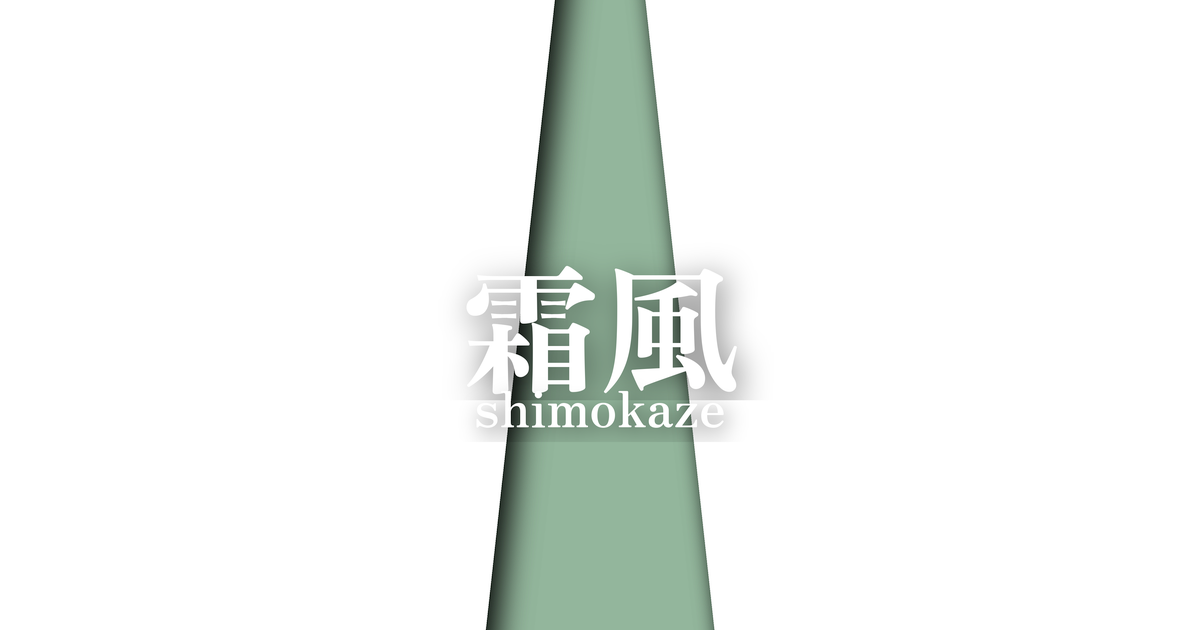
| Japanese color name | frost wind |
|---|---|
| reading | shimokaze |
| season | 冬 |
| Color of the table | White (shiro) |
| Back color | light blue (usuao) |
What is "Shimokaze"? Origin and etymology
Shimokaze, as its name suggests, is a color combination that expresses the harsh natural scenery of winter. The white on the outside symbolizes accumulated frost and frozen earth, while the light blue on the inside is said to represent the clear winter sky and the cold wind blowing across the barren fields. This color scheme captures the pure and dignified beauty that resides in the stillness and harshness of winter. Heian aristocrats were sensitive to such subtle changes in nature and enjoyed the changing seasons by expressing them through the colors of their clothing.
Historical background of frost wind
The concept of layered colors (kasane no irome) is a uniquely Japanese aesthetic of color that developed during the Heian period as the national culture matured. The aristocrats of that time were keen to perceive the changing seasons and considered expressing them through the color schemes of their clothing to be an important aspect of their education. "Shimokaze" (frost and wind) is one such winter color scheme, and it is presumed that it was worn at court ceremonies and private poetry gatherings. This color scheme, which reflects the harshness of winter's nature, demonstrated the wearer's deep understanding of the seasons and refined sensibility.
Related literature, waka poetry, and seasonal words
While it is difficult to pinpoint specific classical literary works that directly use the color name "Shimo-kaze" (frost and wind), numerous winter scenes reminiscent of this color are depicted in Heian period literature. For example, Sei Shonagon's "The Pillow Book" praises the beauty of winter morning frost, writing, "In winter, the early morning is the best. The falling snow is beyond description, but the frost is also so white." It is believed that the sense of the seasons and aesthetics depicted in such literature greatly influenced the creation of layered color combinations like "Shimo-kaze."
The frost is strong and the wind is blowing; on this winter night, I cannot sleep again, yet dawn will surely break.
Frost and windy season and scenery
"Shimokaze" (frost and wind) is a color scheme worn from around November, when winter arrives, until around February, when the cold reaches its peak. The white on the outside represents frost sparkling in the morning sun or lightly fallen snow, while the light blue on the inside represents the clear winter sky or the biting cold wind. This color combination evokes the stillness of winter when all things are asleep, and the breath of life lurking within. By wearing it, one can experience the refined sensibility of the Heian aristocracy who found beauty even in the harsh season.
Frosty color scheme proposal
Withered color (#836A39)
This design richly expresses the scene of a frost-covered, withered field. The addition of warm, muted colors to the cool tones of white and light blue gives depth and narrative to the winter landscape. It's a combination that creates natural harmony in clothing and design.
Navy blue (#19224D)
This design captures the deep, clear sky of a frosty winter night. The bright white and light blue tones are anchored by a deep navy blue, creating a quiet and solemn impression. It's easily adaptable to modern designs, creating a refined atmosphere.
Maroon (#9F353A)
Adding a touch of warm color, like that of a winter camellia, to the cool-toned "Frosty Wind" creates a striking accent. It evokes the vitality of a flower blooming amidst the harsh winter landscape, captivating the viewer's eye. It is suitable for use in kimono sashes and accessories.
Practical Scenes
During the Heian period, this color scheme is thought to have been used in court ladies' attire, such as the five-layered kimono (itsutsuginu). It was worn in combination with other winter colors to express the feeling of winter. Even today, incorporating the "frosty wind" color scheme into kimono and obi combinations can create a stylish winter look.
The combination of white and light blue in "Shimofu" evokes a sense of coolness, cleanliness, and tranquility. It is suitable for website backgrounds, minimalist interior designs, and winter-themed product packaging. It is effective for creating a Japanese modern space or for designs that seek a quiet and calm atmosphere.