
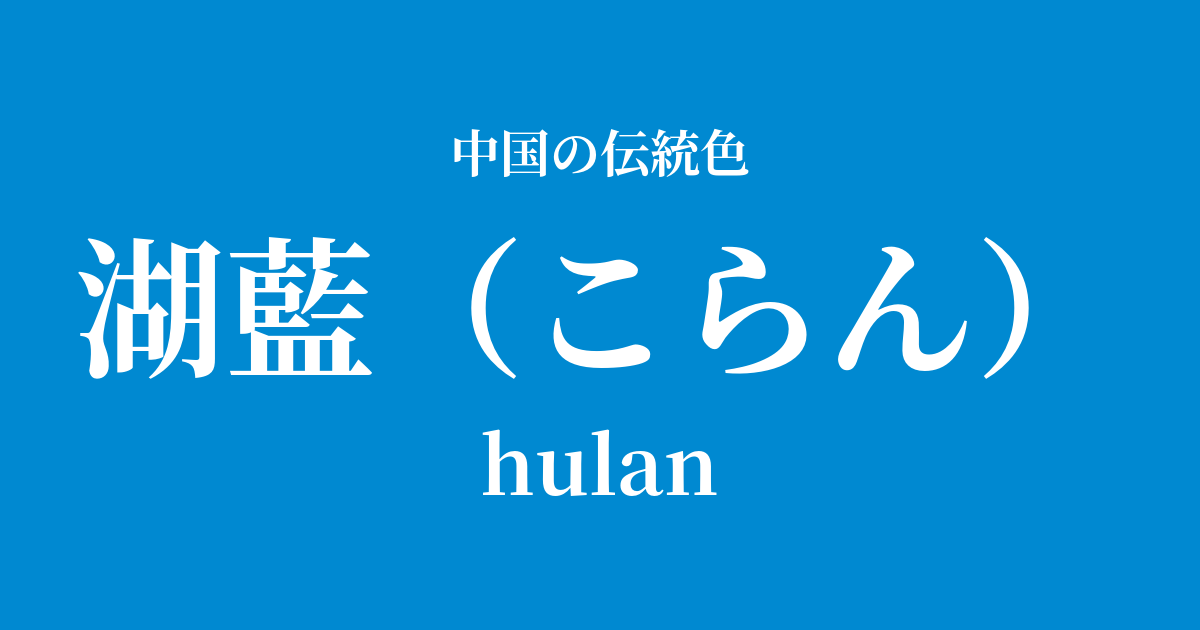
| Color name | lake blue |
|---|---|
| reading | Koran |
| pinyin | hulan |
| HEX | #0089D1 |
| RGB | 0, 137, 209 |
What is "Lu Lan"? Origin and etymology
Koran (湖藍), as its name suggests, is a vibrant and deep blue color that reflects the calm, clear waters of a lake. "Ko" means lake, and "ran" means blue, so the name of the color is a direct reflection of a beautiful natural scene.
This color evokes the tranquil and beautiful lakescapes, particularly those found in the Jiangnan region of China. The unique hue created by the reflection of the blue sky on the water's surface and its blend with the depth of the water has brought a sense of peace and purity to people's hearts. It is one of the colors that symbolizes China's rich color culture, which delicately captures and names the colors of nature.
Historical background of Lake Blue
While it's difficult to pinpoint exactly when the color name "Luan" (lake blue) began to be used in specific historical documents, blue has always held a very important place in Chinese history. In particular, the technique of indigo dyeing has a history of thousands of years and has been widely used in clothing from commoners to nobility.
The bright, clear blue of a lake was especially beloved in the world of poetry and painting. Literati of the Tang and Song dynasties celebrated the beauty of natural landscapes and expressed the blueness of lakes and rivers in their works. For them, lake blue was not merely a color, but also a color that symbolized ideal spirituality and the philosophy of solitude.
During the Qing Dynasty, new pigments were introduced from the West, making it possible to create more diverse and vibrant colors. In porcelain such as enamelware, a vivid blue similar to lake blue was used, breathing new life into traditional colors.
Lake Lan in Chinese Art and Crafts
Lake blue has showcased its beauty in various fields of Chinese art. In particular, it is an indispensable color in landscape painting when depicting vast lakes and gently flowing rivers. To express the transparency and depth of water, colors like lake blue were effectively used, in addition to the shades of ink.
In the world of ceramics, celadon and blue-and-white porcelain are well-known, but lake blue was highly valued for its bright and clear hue, distinct from these other colors. In particular, a wide range of colors, including lake blue, were used in the fencai and enamel porcelain of the Qing dynasty, creating magnificent decorations.
In clothing culture, lake blue was also a highly popular color. The combination of the luster of silk and the vibrancy of lake blue created clothing that gave an elegant and intellectual impression. In particular, it is said to have been a favorite color to symbolize youthfulness and purity, and was used in women's Hanfu (traditional Chinese clothing) and the everyday wear of scholars.
Falling haze and solitary air, Shusui combined with long heaven
Color scheme preview
This is to check the readability of the text when this color is used as the background.
Lake Blue Color Scheme Proposal
Kyou Huang (#F7B977)
By combining the clear, lake-blue color with a warm apricot yellow, the two colors vividly complement each other. It evokes a vibrant impression, reminiscent of flowers blooming by the water's edge or the light of twilight.
Tsukihaku (#EAF4FC)
By combining a vibrant lake blue with a very pale moonlight blue, the result is an extremely elegant and refined impression. It's a calm and pure color scheme, reminiscent of the scene of the moon reflected on a still lake surface.
Midori Matsuishi (#23AFA2)
Lake blue and turquoise green (pine stone green) are both colors reminiscent of water and minerals in nature. When combined, they create a fresh and vibrant impression, giving off a modern and intellectual atmosphere.
Practical Scenes
In interior design, indigo is an ideal accent color that brings freshness and tranquility to a space. Incorporating it into cushions, curtains, or art panels will give the entire room a refined and sophisticated feel. When paired with white, beige, or light wood-grain furniture, it creates a clean and comfortable space.
In the world of fashion, indigo is a color that symbolizes intelligence and cleanliness. Incorporating it into shirts or dresses brightens the face and gives a refreshing impression. It's also recommended to use it as an accent color in accessories such as scarves and bags. It adds a refreshing touch to spring and summer outfits in particular.
In web and graphic design, the sense of reliability and cutting-edge image associated with indigo can be leveraged. Using it as a corporate color for a company, or as the main color for technology or healthcare-related websites, can convey a sense of security and professionalism to users.