
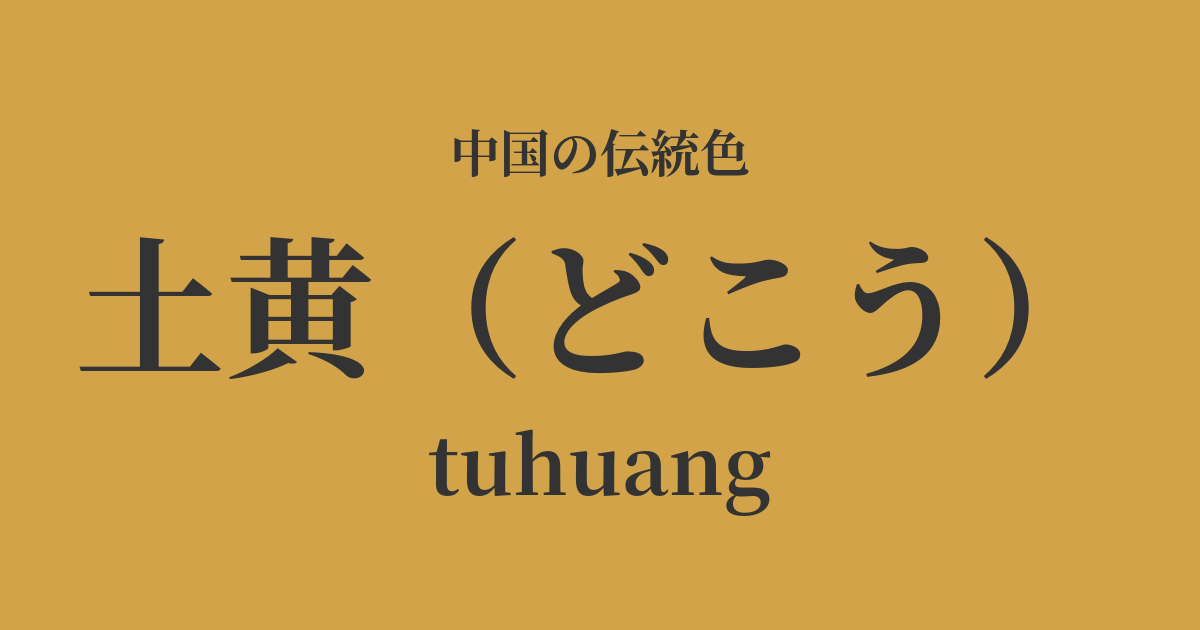
| Color name | earthy yellow |
|---|---|
| reading | Where |
| pinyin | tuhuang |
| HEX | #D2A348 |
| RGB | 210, 163, 72 |
What is "Tsuchiō"? Origin and etymology
As its name suggests, "Dokou" (土黄) is a warm, calming yellow color derived from the color of the soil in the vast landmass of China, particularly the Loess Plateau that stretches across the Yellow River basin.
This color is deeply connected to the agricultural culture of ancient China. Yellow earth was fertile and the source of life that nourished crops. Therefore, yellow earth has become more than just a color name; it has become deeply rooted in people's lives as a symbol of abundance, stability, and the very foundation of life itself.
Historical background of the color earth
The background of the color "earth yellow" lies in the Five Elements philosophy, an ancient Chinese philosophy of nature. In this philosophy, it was believed that all things were composed of five elements: wood, fire, earth, metal, and water. "Earth" governs the changing of the seasons, represents the center in terms of direction, and corresponds to the color "yellow." For this reason, yellow held special significance as the color that embodied the center of the universe.
From the Sui Dynasty onward, bright yellow (bright yellow) became a noble color reserved exclusively for the emperor, while muted shades like earth yellow were more widely used. It was a familiar color found in everyday life, such as in the mud walls of commoners' homes, everyday pottery, and the robes of monks. It was both a symbol of authority and a color that conveyed the warmth of a life rooted in the earth.
Tohaku in Chinese Art and Crafts
Earth yellow has been used in the world of Chinese art and crafts for its simple beauty. For example, in the pottery known as "Tang Sancai" from the Tang dynasty, this earth yellow glaze was skillfully used along with green and white to create vibrant colors.
Furthermore, in landscape painting, it is an indispensable color for depicting vast landscapes. Painters used pigments such as earth yellow, in addition to varying shades of ink, to portray the grandeur of the Loess Plateau and the serene expressions of mountains bathed in the setting sun.
In terms of clothing culture, in contrast to the opulent yellow dragon robes worn by emperors, earthy yellow was combined with natural materials such as cotton and linen, and was favored as the subdued color of clothing for monks and scholars. This reflects a spiritual aesthetic that seeks harmony with nature and avoids ostentation.
You never see the yellow river, the water heaven comes, the torrent reaches the sea, irrecoverable
Color scheme preview
This is to check the readability of the text when this color is used as the background.
Earthy yellow color scheme proposal
Pilestone (#9C382F)
The combination with ochre, another color of the earth's soil, creates a very natural and calming impression. It's a comforting earth-tone color scheme full of warmth and stability.
Moon White (#D9E9E5)
The warmth of the earthy yellow is enhanced by the subtle, cool bluish tint of the moon-white. This creates a quiet, intellectual atmosphere, resulting in a refined and elegant contrast.
Jade (#33A679)
This color scheme is full of vitality, like young leaves sprouting from fertile soil. The stability of earthy yellow and the vibrancy of jade complement each other, bringing a lively energy to the space.
Practical Scenes
In interior design, incorporating earth-yellow into wallpaper, curtains, sofas, and other fabrics creates a warm and cozy atmosphere. It pairs particularly well with wooden furniture and houseplants, creating a natural and relaxed ambiance.
In fashion, incorporating earthy yellow into clothing made from natural materials like cotton and linen creates a simple yet sophisticated impression. Whether used as a base color in an earth-toned outfit or as an accent color in accessories, it adds depth and tranquility to your look.
In web and graphic design, using it as a background color conveys a sense of security and trust to the viewer. It is suitable for websites featuring organic products, traditional crafts, or themes related to history and culture.