
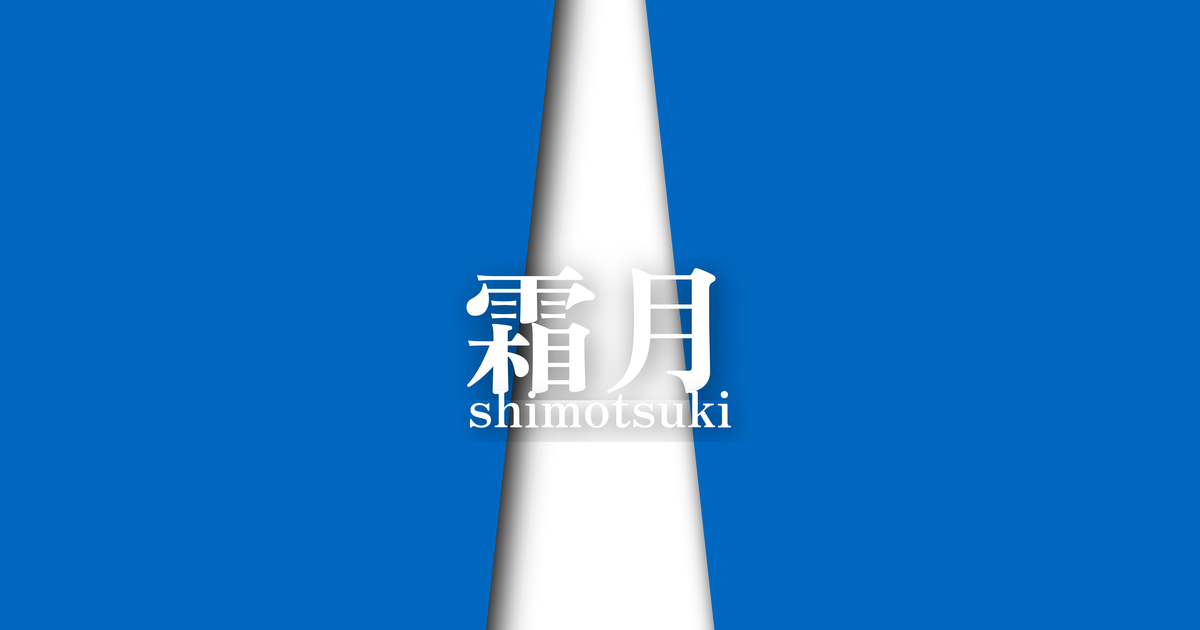
| Japanese color name | November |
|---|---|
| reading | Shimotsuki |
| season | 秋 |
| Color of the table | blue (ao) |
| Back color | Light white (shiro) |
What is Shimotsuki? Origin and etymology
"Shimotsuki" is a color combination derived from the traditional Japanese name for the 11th month of the lunar calendar. This period is when frost begins to fall, and the colors express the cold, clear winter scenery. The "blue" used on the outer layer is said to symbolize the clear winter sky and the crisp, cold air. On the other hand, the "pale white (white)" on the inner layer represents the whiteness of the first frost that has lightly settled on the ground and plants. Through the contrast of these two colors, the stillness of late autumn and early winter, and the harsh yet beautiful nature are skillfully depicted.
This color scheme is a reflection of the aesthetic sensibility of the Heian aristocracy, who keenly observed the subtle changes in nature and incorporated them into their daily lives and culture. It's not merely a combination of colors, but a poetic color scheme imbued with the changing seasons and the emotions associated with them. The way in which the concrete natural phenomenon of frost is elevated to the abstract colors of blue and white reveals the profound depth of traditional Japanese color sensibilities.
Historical background of November
In the aristocratic society of the Heian period, the colors of clothing were an important element in demonstrating an individual's education and sensibilities. The "kasane no irome" (layered color combinations) developed as a sophisticated set of rules for expressing the sense of the seasons and became the basis of attire in the imperial court. The "Shimotsuki" color combination is thought to have been worn around the 11th month of the lunar calendar as a color scheme announcing the arrival of winter. Although there are not many documents that describe specific examples of its wear, it is presumed to have been recognized as one of the representative color combinations of the winter season.
In court attire such as the twelve-layered kimono (junihitoe), the harmony of colors created by layering garments was highly valued. The color of the lining, peeking out slightly from the collar and cuffs, resonated with the color of the outer fabric, creating a beautiful gradation. The color scheme of November, with its deep blue contrasting with pure white, is said to have simultaneously expressed the harshness and purity of winter scenery, demonstrating the wearer's dignity and deep understanding of the season.
Related literature, waka poetry, and seasonal words
The word "Shimotsuki" (frosty month) itself has been used as a seasonal word for winter in many waka poems, including those in the Manyoshu and Kokin Wakashu. For example, it is used to express the loneliness and scenery of winter, as in "On a cloudy day in the frosty month, I find solace in seeing it as a flower" (Shūi Wakashu). Although there are few direct descriptions referring to this particular color combination, the winter scenes depicted in literary works are deeply connected to the aesthetic sensibilities behind the color combination.
Literary works such as "The Tale of Genji" and "The Pillow Book" frequently depict characters skillfully dressed in seasonal attire. These descriptions demonstrate how much people at the time valued a sense of the seasons through color. The colors of "November" are also one example of the aesthetic sensibilities nurtured within this literary worldview, symbolizing the refined culture of adorning oneself with winter scenes sung about in waka poetry.
The scenery of the November sky is lonely, and leaves scatter like water in the mountain stream.
The season and scenery of November
"Shimotsuki," as its name suggests, is a color scheme that expresses the feeling of late autumn to early winter, corresponding to the 11th month of the lunar calendar, or late November to December in the current calendar. It captures the cold, crisp air of the time when leaves fall from the trees and frost begins to fall. Nature at this time of year may not be flashy, but it possesses a dignified beauty in its stillness, and this scene is symbolized by the blue and white color scheme.
This outfit would be suitable for occasions such as court ceremonies or private gatherings during the time when winter is approaching. By deliberately using the cool color blue during this increasingly cold season, it expresses a spirit of actively embracing winter and finding beauty within it. Even in modern times, this color scheme can be incorporated into attire to signal the beginning of winter.
Color scheme proposal for November
White silver (#EAEAEA)
By adding a silvery-white hue to the blue and white of November, the sparkle of winter ice and snowflakes is expressed, further emphasizing a cold and clear impression. The addition of a metallic sheen makes it a sophisticated color scheme that is easy to incorporate into modern designs.
Withered color (#836A39)
This combination evokes the image of a frost-covered, barren field. The cool blues and whites of November are complemented by the warm, earthy tones of withered leaves, creating depth and a sense of narrative in the colors. It's a color scheme that makes you feel the workings of nature amidst the harshness of winter.
Suou (#9E3D3F)
The cool colors of November are accented with the warm color of sappanwood, evoking a sense of vitality reminiscent of camellias blooming in a winter landscape. This contrasting color scheme, also seen in Heian period attire, enhances the beauty of each other.
Practical Scenes
In Heian period attire, the "Shimotsuki" (frosty month) color scheme was primarily used for layering the robes of court ladies. The contrast between the outer garment and the undergarment, as glimpses of color peeked out from the collar and cuffs, created a captivating effect of changing colors with movement. This color combination is thought to have demonstrated the wearer's delicate sensibility towards the seasons and added a dignified presence appropriate for winter ceremonies and other formal occasions.
In modern times, incorporating this color scheme into traditional Japanese clothing accessories such as kimonos, obi sashes, obi-jime cords, and obi-age scarves creates a stylish and seasonal look. In interior design, using it on cushion covers and bedding can create a quiet and calming atmosphere. In web design and graphic design, using it as a key color to convey the feeling of winter can effectively communicate a dignified and pure image.