
| Japanese color name | frozen sky |
|---|---|
| reading | koorizora |
| season | 冬 |
| Color of the table | light blue (usuao) |
| Back color | Ash (hai) |
What is "Frozen Sky"? Origin and Etymology
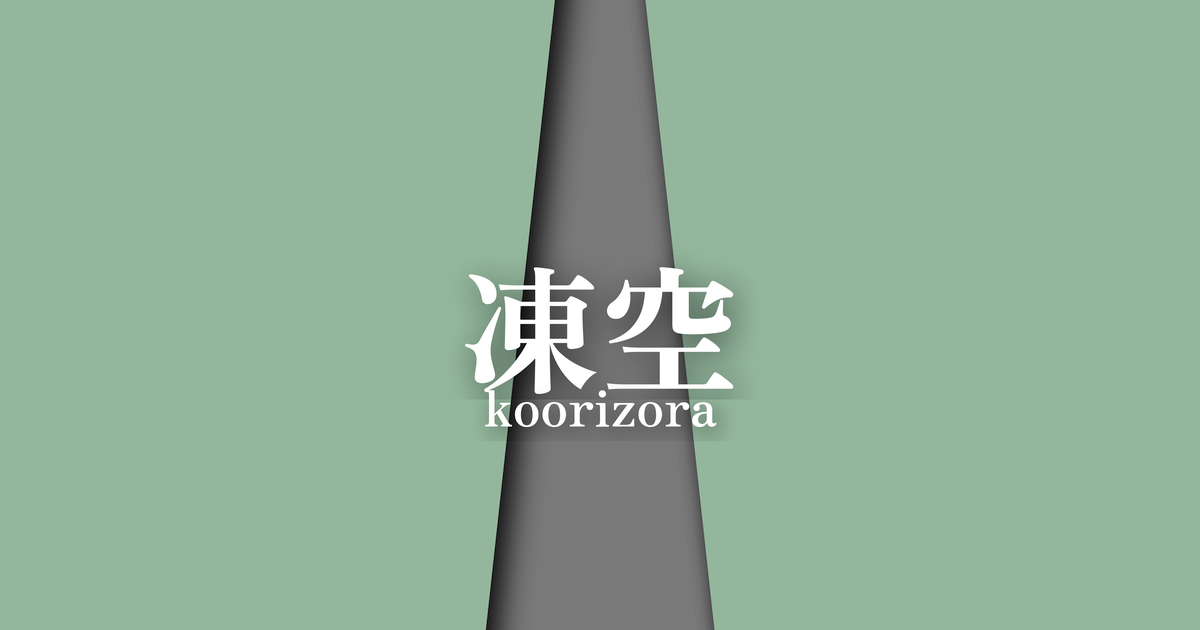
Koori-zora (frozen sky), as its name suggests, is a color combination that represents the freezing cold winter sky. The light blue used on the outer layer symbolizes the clear yet somewhat cold and lonely color of the winter sky. On the other hand, the gray on the inner layer is reminiscent of the color of thick, overhanging clouds before snow falls, or the icy earth. This combination of two colors reveals the delicate aesthetic sense of the Heian aristocracy, who sought to recreate the harsh yet serene natural scenery of winter on their clothing.
This color scheme is characterized not by its use of specific plants like plum blossoms or cherry blossoms as motifs, but by its capture of more abstract and expansive scenes such as weather and sky patterns. It can be said to be one of the color schemes that strongly reflects the spirit of Heian culture, which sought to find beauty in all phenomena of nature and express it through color.
Historical background of the frozen sky
The use of layered colors in clothing was a refined aesthetic in aristocratic society during the Heian period, a time when Japanese culture matured. People were keenly aware of the changing seasons and demonstrated their depth of education and sensibility by skillfully expressing this through the color schemes of their clothing. Incorporating the beauty of nature in each season into one's attire was considered a refined manner in court life.
Winter colors like "frozen sky" are thought to have been worn at official court ceremonies and private banquets to evoke the feeling of winter. Their quiet and dignified hues were particularly favored at banquets celebrating snowscapes and during the crisp, invigorating period leading up to the New Year. Although there are few specific records of their use, they are considered one of the established colors for winter attire.
Related literature, waka poetry, and seasonal words
The color name "frozen sky" has not yet been found to directly appear in representative classical literature of the Heian period, such as "The Tale of Genji" or "The Pillow Book." However, these works contain many scenes that depict winter landscapes. For example, there are many waka poems and prose that express a sense of freezing air, such as the silence of a snow-covered morning, the coldness of ice on a pond, or the clear winter night sky.
The "frozen sky" color scheme is thought to have served to visually complement the winter worldview depicted in such literary works. People at the time likely imagined the colors of the clothing worn by the characters as they read the stories, deepening their immersion in the fictional world. This color scheme can be said to have functioned as a device to stimulate literary imagination.
The winter night moon shines brightly in the Mikano plain sky, where the ice is frozen and the wind cannot penetrate.
The season and scenery of the frosty sky
Frozen Sky is a color scheme used in winter, especially during the coldest period from December to February. The light blue on the front reflects the color of a cold, clear winter sky, where the sunlight is weak even on a sunny day. The gray on the back evokes the color of heavy snow clouds and frozen earth, expressing the harshness of winter.
This color scheme, in contrast to the vibrancy of spring and autumn, embodies the aesthetic sensibilities unique to winter, which value tranquility, clarity, and dignified elegance. In a snowy landscape, clothing in these colors would have blended into the surrounding whiteness while still exuding a quiet presence due to its delicate hues. Its charm lies in its understated beauty, as if becoming one with the winter nature.
Color scheme proposal for frozen sky
White training (#FFFFFF)
The combination with pure white evokes a winter snowscape. It further enhances the serene atmosphere of the frozen sky, creating a clean and elegant color scheme. White was also an important color in Heian period attire, and its contrast with snow is beautiful.
Silver mouse (#AFB1B4)
A light gray, close to the ash of a frozen sky. Creating a gradient of similar colors gives a sophisticated, urban impression. It evokes the sparkle of ice and frost, allowing for a deeper and more delicate expression of winter scenes.
Withering color (#8D6449)
The brown evokes the bare trees and withered fields of winter. By adding warm earth tones to the cool, icy sky, a deep, calming color scheme is created that conveys a sense of life residing within the harshness of winter.
Practical Scenes
During the Heian period, this color was primarily used as a layering color in the winter attire of court ladies. It is also thought to have been used as a color scheme for the outer and inner layers of men's robes, such as the noshi. It is presumed to have been particularly favored in occasions where people could deeply appreciate the atmosphere of winter, such as snow-viewing parties and quiet poetry gatherings.
In modern times, this color scheme, with its calm and sophisticated tone, is being incorporated into winter kimono and obi sash color combinations. Using this color scheme in Japanese accessories can subtly and elegantly create a sense of the season. In Western clothing as well, incorporating this color combination into scarves and sweaters gives a refined impression.
In interior design, this combination is suitable for creating quiet and calming spaces such as bedrooms and studies. The combination of light blue and gray complements a modern and minimalist style, effectively bringing the tranquility of winter into the room. In web design and graphic design, it is an effective accent color for conveying trustworthiness and integrity.